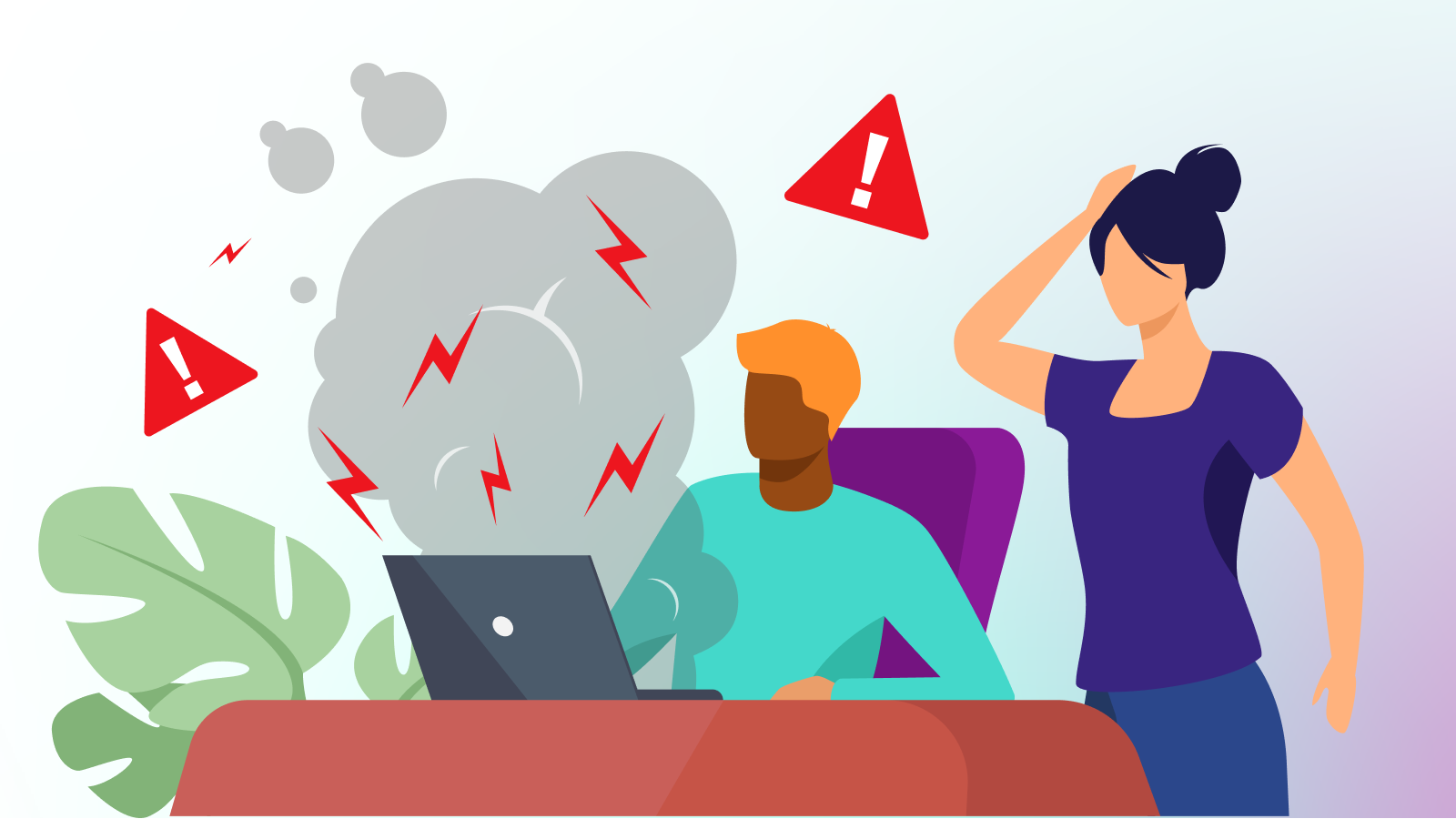
When people think about cyber security, they often picture sophisticated hackers, complex code or advanced technology. But in reality, many cyber attacks don’t start with breaking through systems, they start with people. Whether it’s clicking a malicious link, reusing a password, or responding to a convincing email, everyday actions can unintentionally open the door to cyber criminals. This is known as the “human factor,” and it remains one of the biggest risks for businesses of all sizes.
Key Takeaways:
- Cyber attacks often target people, not just systems. Human behaviour, like clicking links or sharing information, is one of the most common entry points for attackers.
- Mistakes are normal, which is why systems must support people. Training, clear processes and simple safeguards help reduce risk without relying on perfection.
- A strong security culture is your best defence. When everyone understands their role and feels confident to speak up, your business becomes much harder to breach.
Why cyber criminals target people
- It’s often easier to trick a person than to break through secure technology.
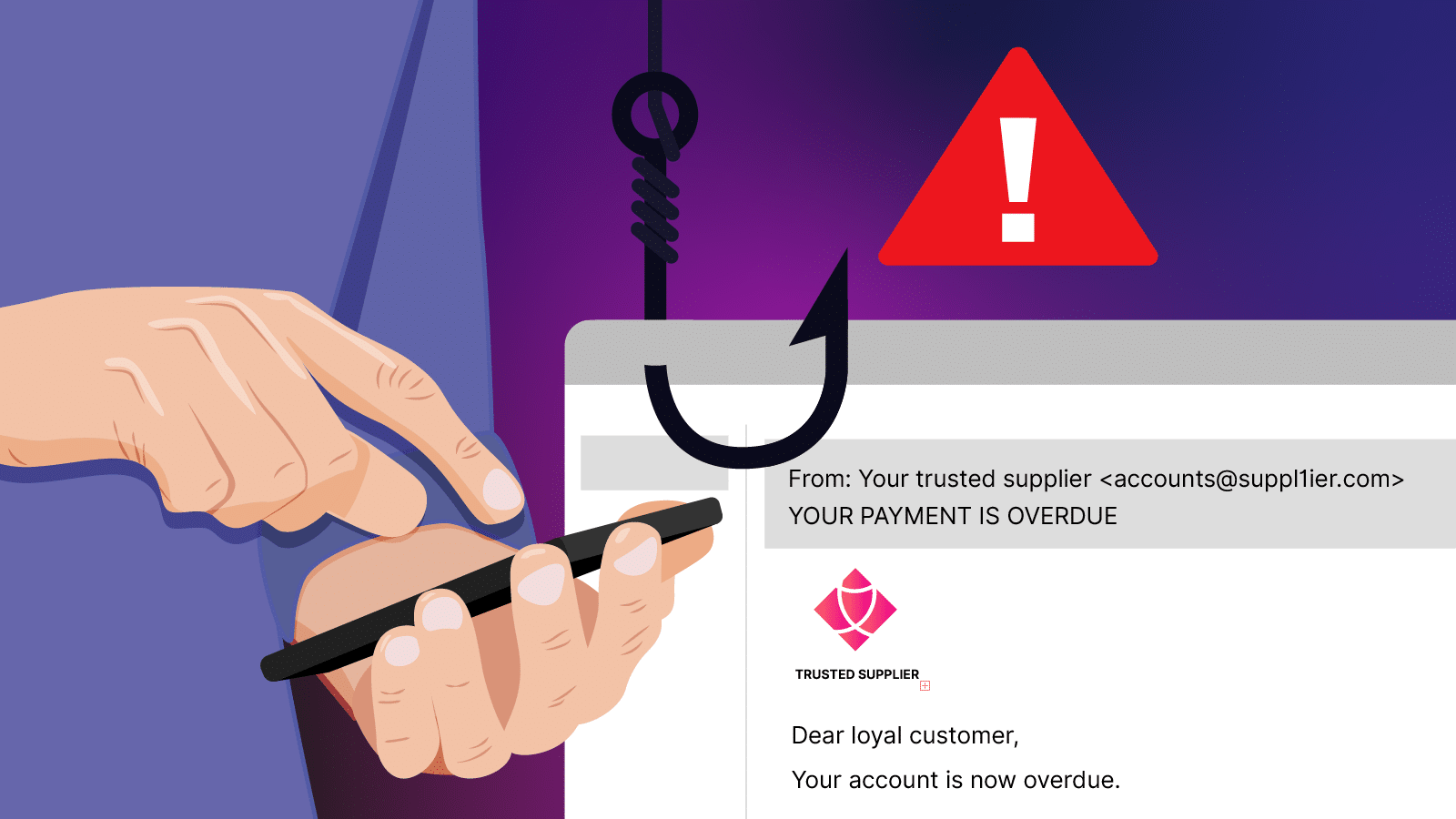
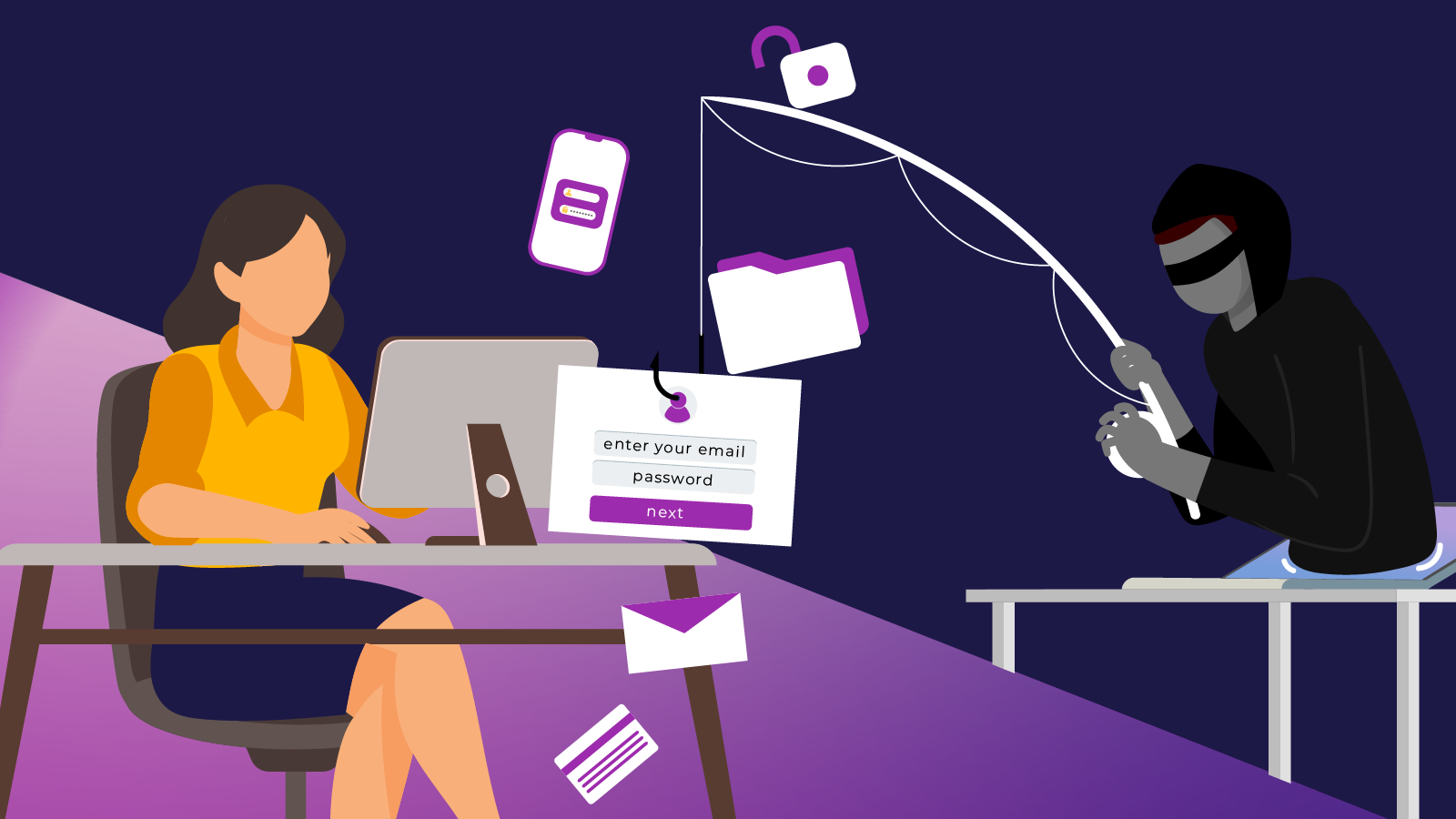
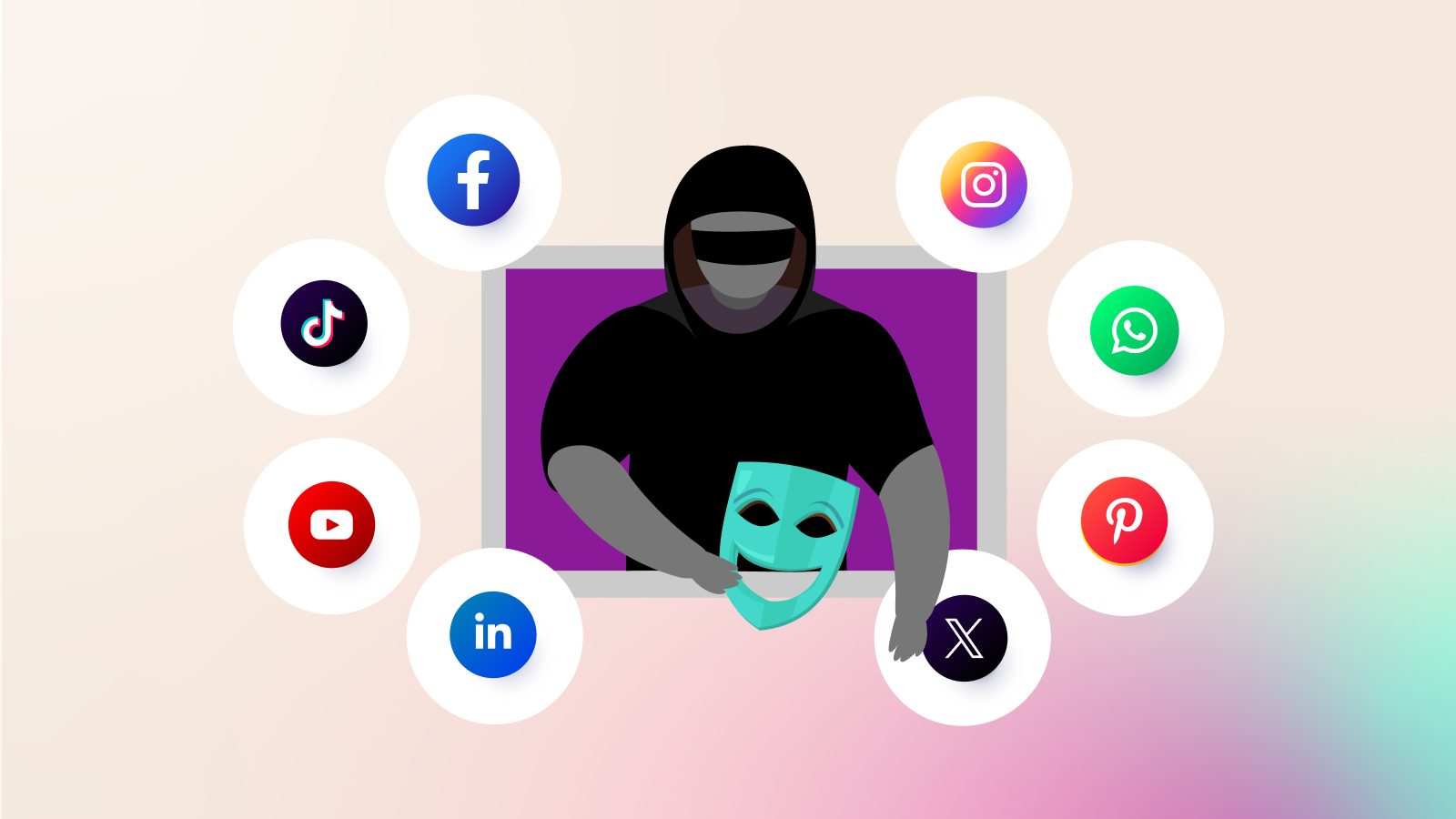
- Cyber criminals use tactics like phishing emails, fake websites and impersonation to create a sense of urgency or trust. These attacks are designed to look legitimate, often mimicking well-known organisations, colleagues or suppliers.
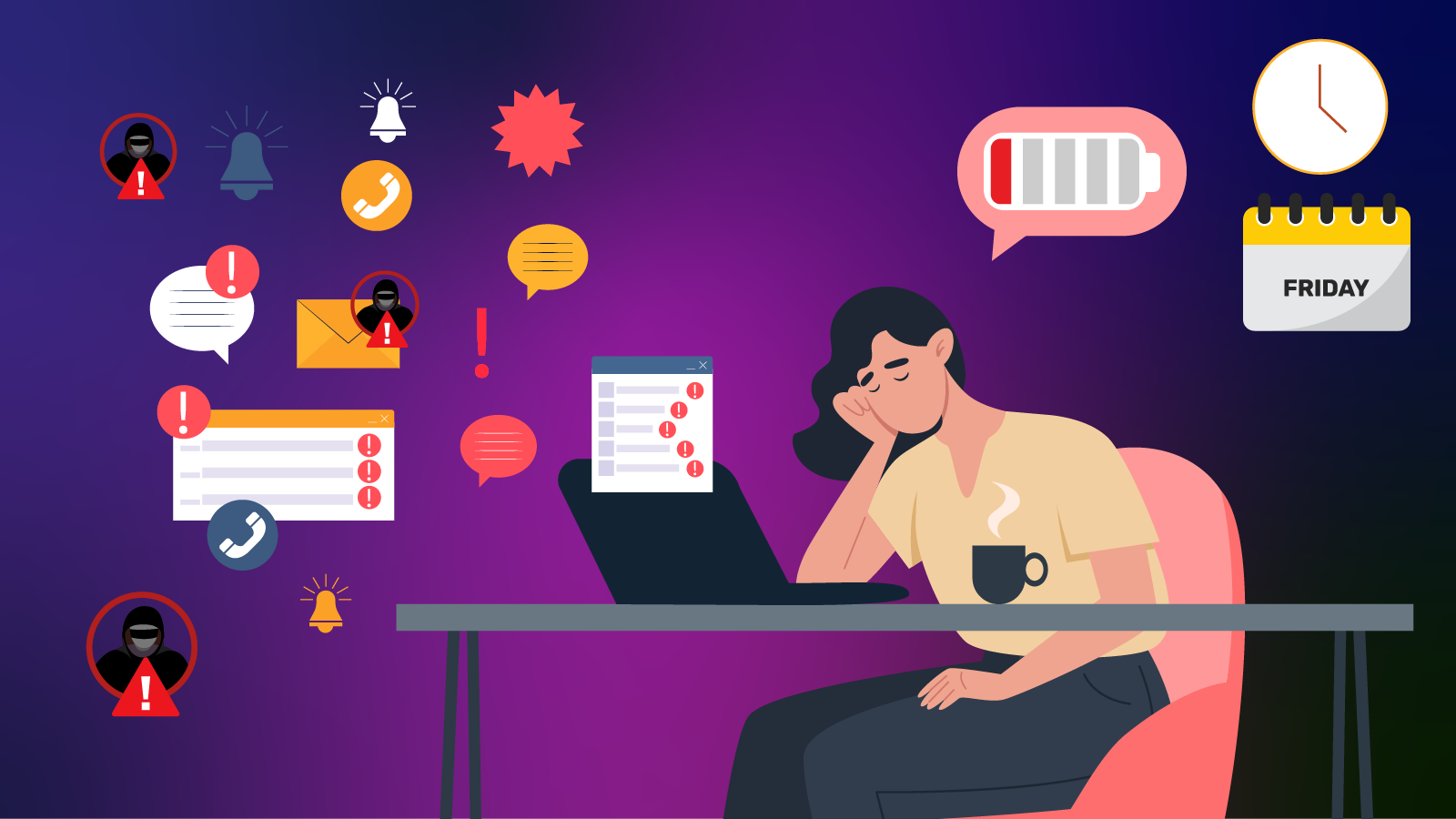
- When someone is busy, distracted or under pressure, it’s much easier to make a quick decision without fully checking the details. And that’s exactly what attackers rely on.
Common ways human error leads to cyber incidents
Most cyber incidents don’t happen because someone is careless. They happen because the situation is convincing.
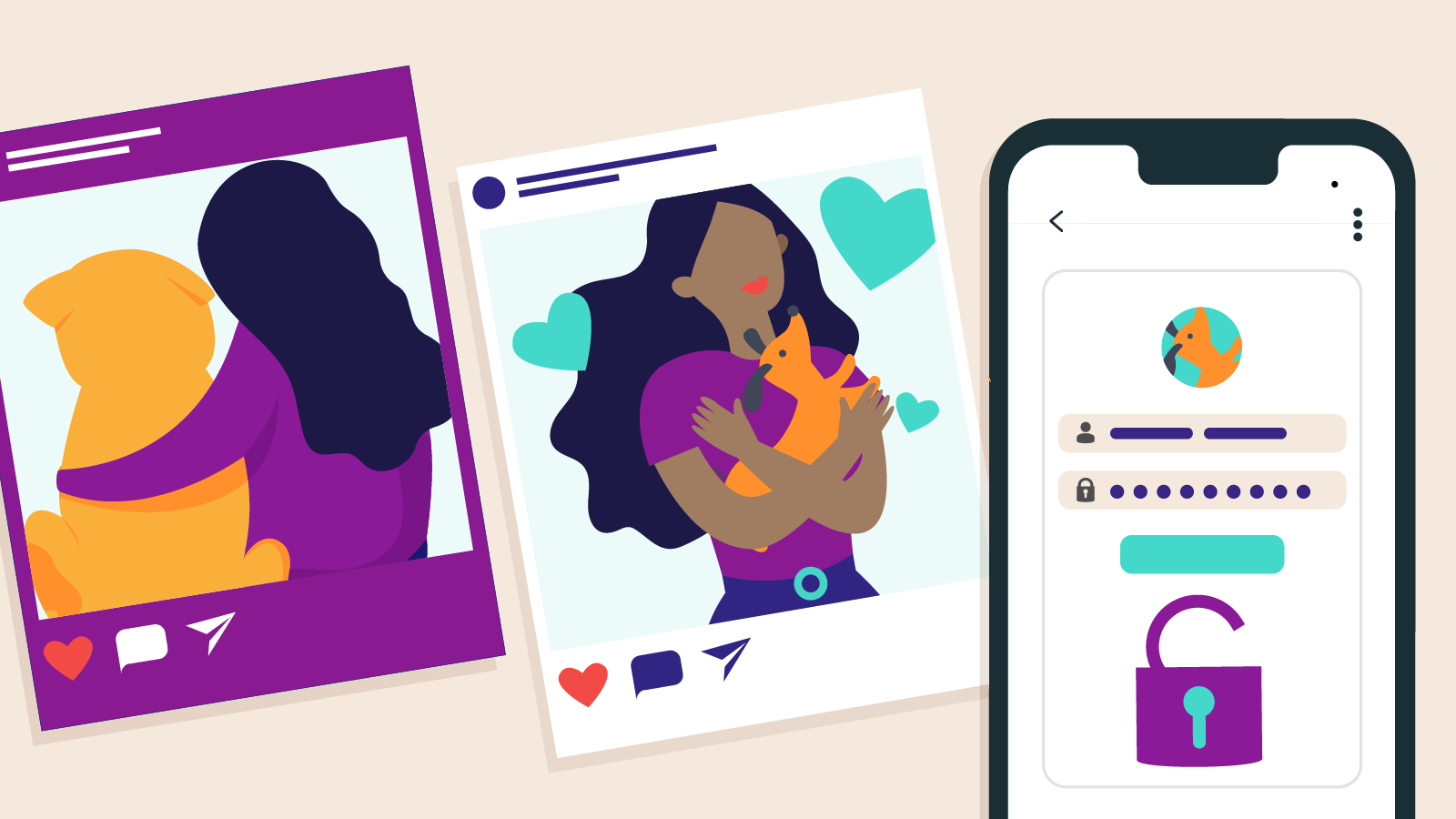
An employee might click on a link in an email that looks like it came from their bank or IT provider. Someone might reuse the same password across multiple accounts, making it easier for attackers to gain access if one account is compromised.
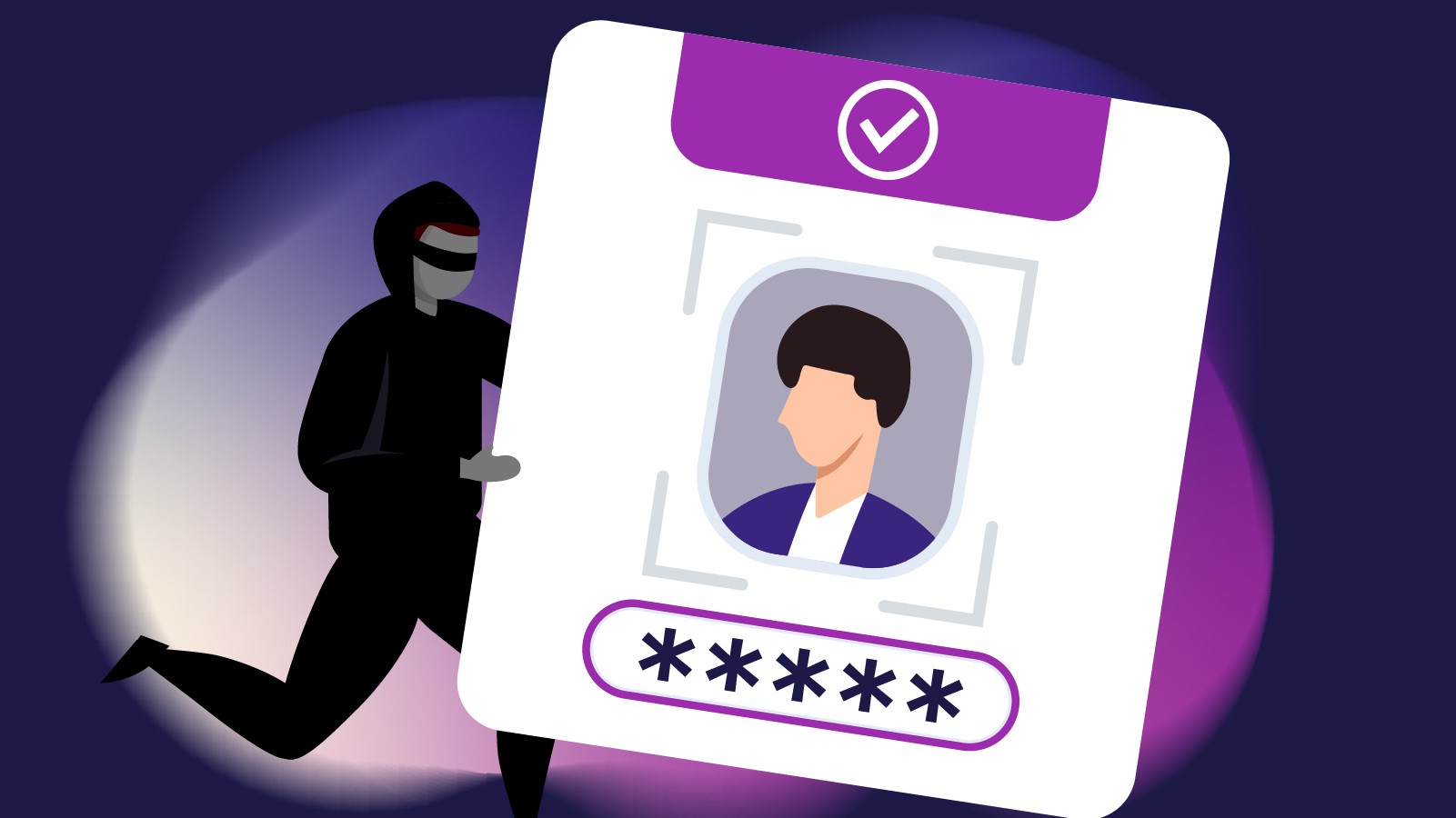
In other cases, staff may unknowingly share sensitive information, download malicious attachments or fall for impersonation scams that appear to come from senior leaders.
These actions are common, understandable, and exactly what cyber criminals are counting on.
Why awareness alone isn’t enough
Training and awareness are important, but they’re only part of the solution.
Even well-trained employees can make mistakes, especially when faced with sophisticated scams or high-pressure situations. That’s why cyber security shouldn’t rely on people getting it right 100% of the time.
Instead, businesses need to create systems and processes that support safe behaviour and make it easier to do the right thing.
How to reduce human risk in your business
Start by building a culture where cyber security is everyone’s responsibility, not just the IT team’s.
Provide regular, practical training so staff know what to look out for and how to respond. Keep processes simple and clear, especially when it comes to reporting suspicious activity.
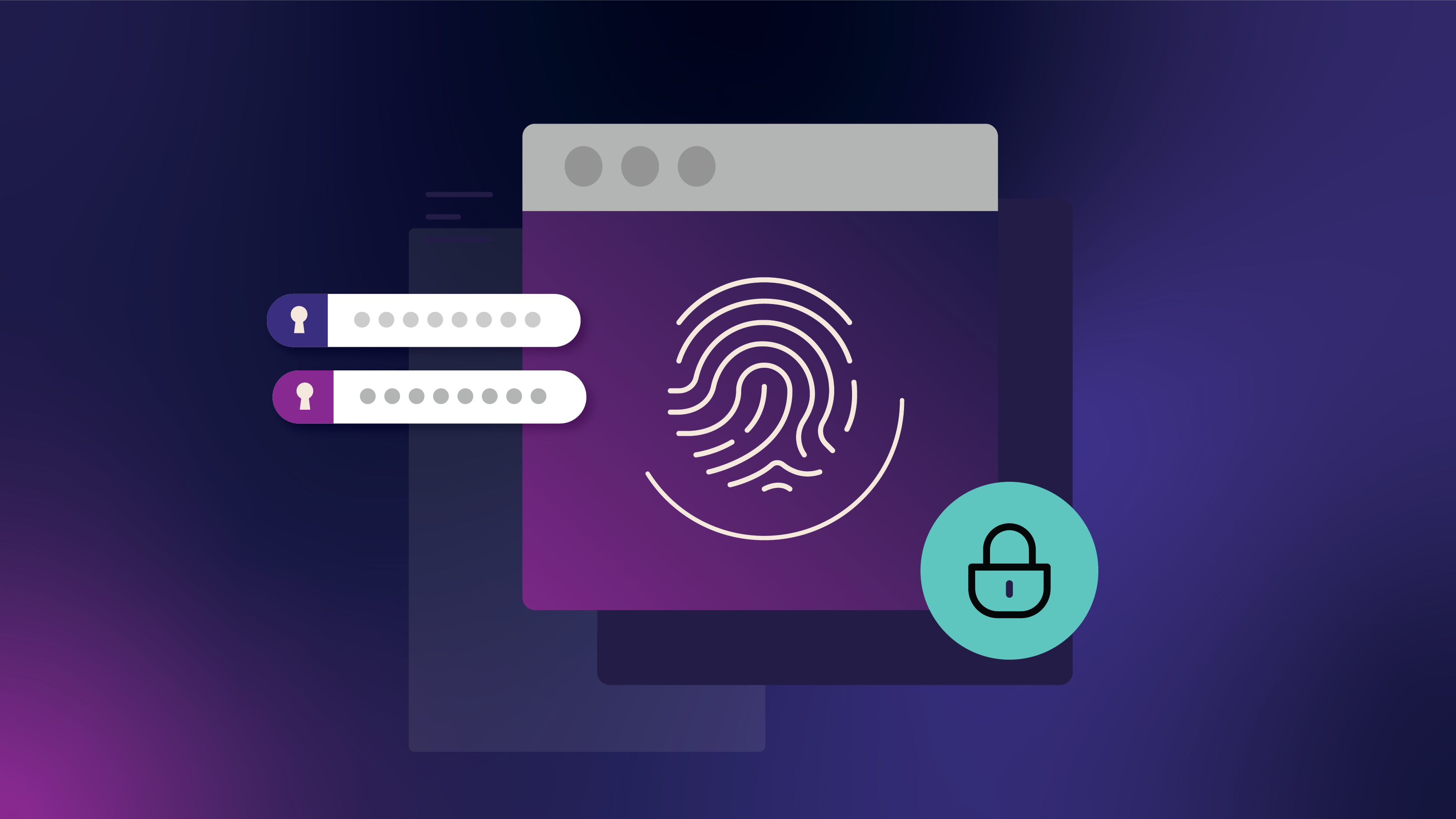
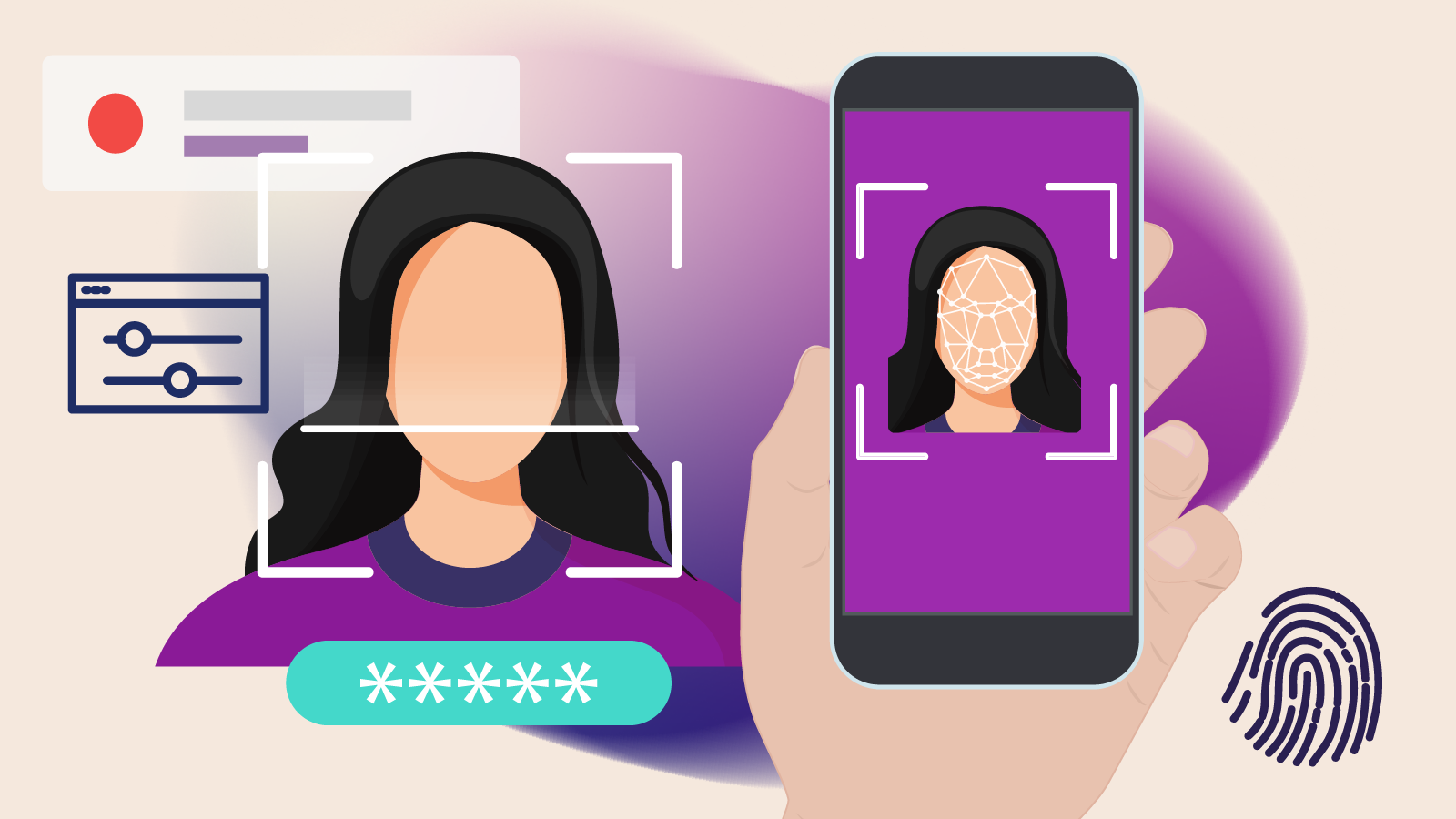
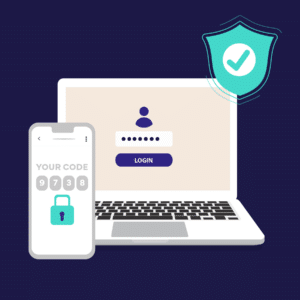
Use tools like multi-factor authentication to add an extra layer of protection, even if login details are compromised. Encourage staff to pause and verify unusual requests, particularly those involving money or sensitive information.
Most importantly, create an environment where people feel comfortable speaking up. If something seems off, reporting it quickly can prevent a small issue from becoming a major incident.

People are part of the solution
While the human factor is often seen as a weakness, it can also be your greatest strength.
An aware, confident team can spot threats early, respond quickly and help protect your business every day.
Cyber security isn’t just about technology, it’s also about people making informed decisions. And with the right support, those decisions can make all the difference.
Enrol in the Cyber Wardens training today and help your team build safer cyber habits.