Australia’s hospitality industry thrives on connection; welcoming guests, managing bookings, processing payments and delivering great service in fast-moving environments. But as venues and restaurants become more digitally connected, they also become more exposed.
Key Takeaways:
- Hospitality businesses are increasingly targeted by cyber attacks, with phishing emails, account takeovers and business email compromise among the most common threats facing the sector.
- Simple cyber security measures can significantly reduce risk, including using unique passwords, enabling multi-factor authentication (MFA), removing former staff access and regularly backing up systems.
- Fast-paced hospitality environments and shared systems can create vulnerabilities, making cyber awareness and everyday cyber security practices essential for protecting bookings, payments and customer data.
The latest Cyber Wardens Small Business Cyber Security Pulse Check Report 2026 reveals that hospitality and accommodation businesses are among the least likely to have foundational cyber protections in place, with only 1 in 2 reporting using unique passwords, and 1 in 3 having enabled multi-factor authentication.
At the same time, 4 in 5 small businesses across Australia have experienced a cyber incident in the past year.
For a sector that relies heavily on digital bookings, online payments and cloud-based systems, that’s a risk worth paying attention to.
Phishing: The front door to most attacks
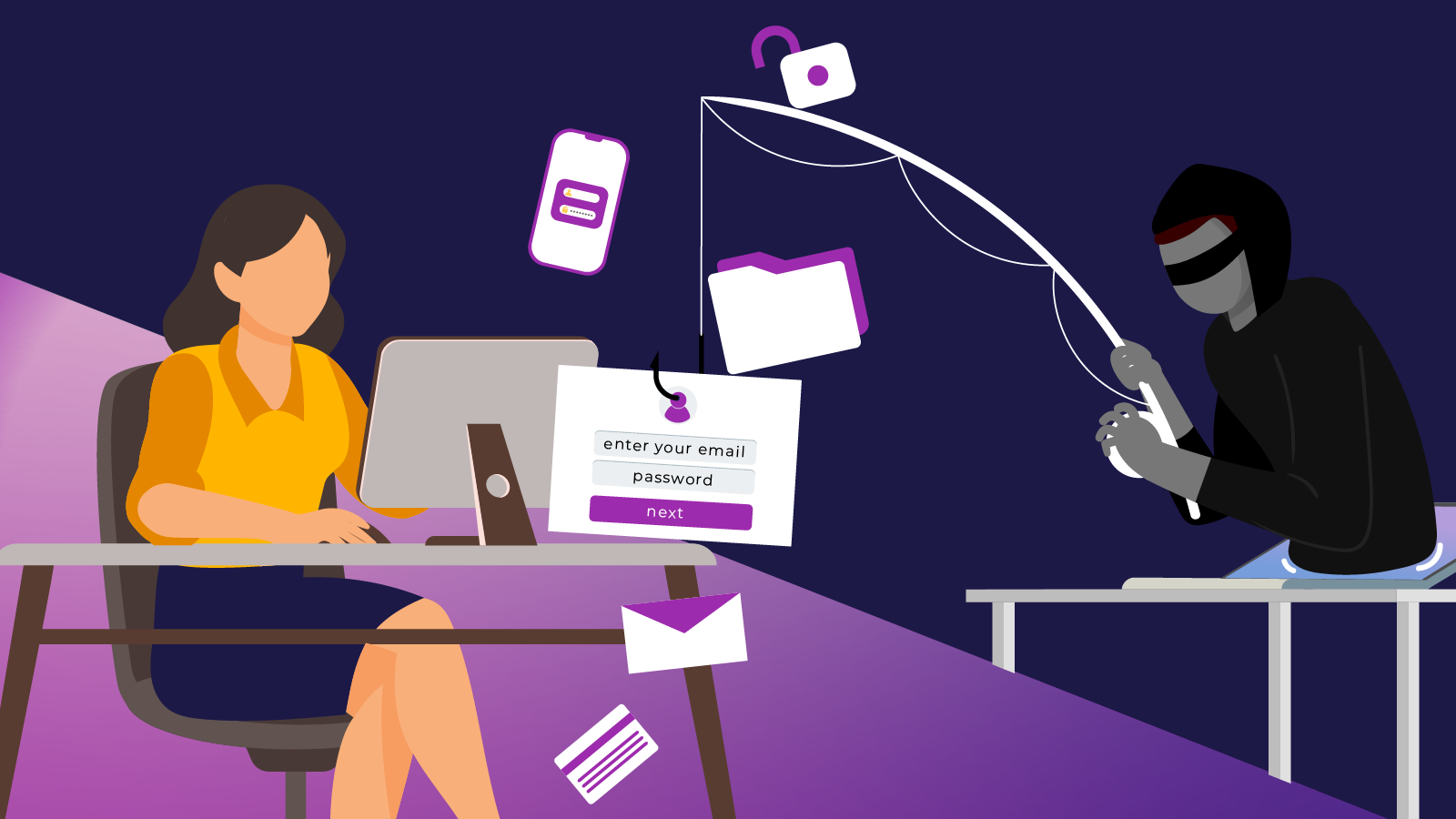
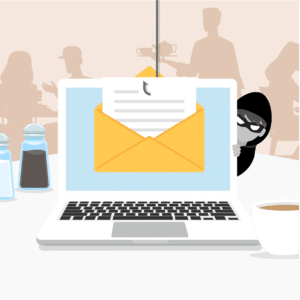
Phishing remains the most common way cyber criminals gain access to small businesses.
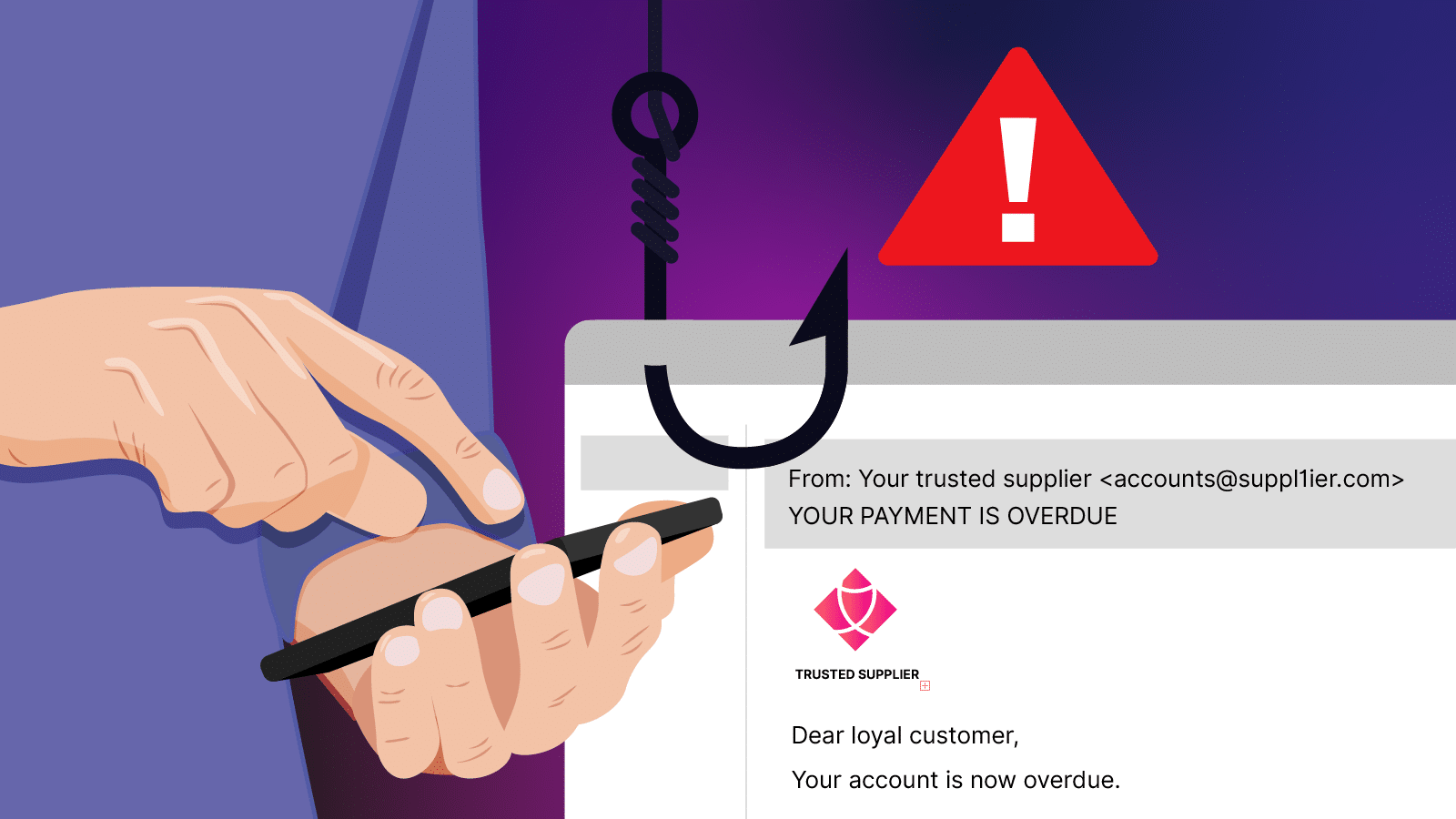
In hospitality, these emails often appear to come from booking platforms, payment providers, delivery apps or suppliers.
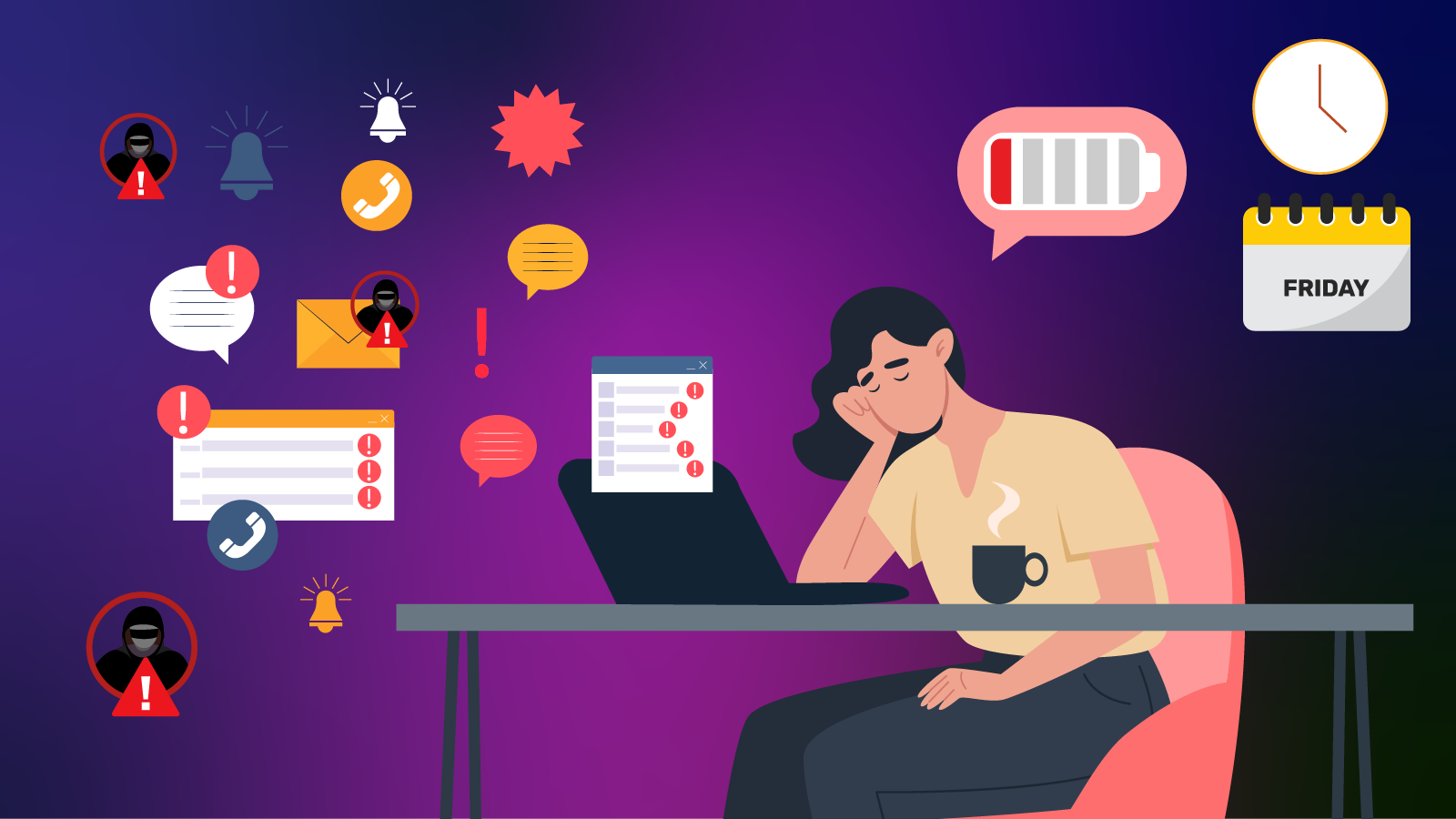
They may reference invoices, account verification or urgent payment issues. In a busy café or accommodation business, where emails are checked between customers and during shift changes, it only takes one rushed click for login credentials to be handed over.
Once access is gained, attackers rarely make noise straight away. They observe, explore and look for ways to monetise that access without being detected.
Account takeovers and payment redirection
Hospitality businesses are heavy users of digital and platform-based payment systems, and that reliance creates opportunity for scammers.
If a cyber criminal gains access to a booking platform, point-of-sale (POS) system or payment gateway, they may redirect payouts to a different bank account, issue fraudulent refunds or extract stored customer information. Because venues process frequent transactions, small irregularities can go unnoticed until real financial damage has occurred.
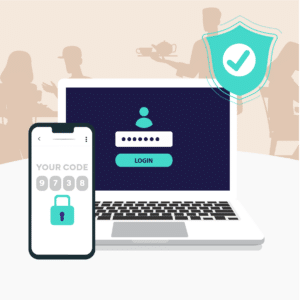
Without protections like multi-factor authentication (MFA), account takeovers can happen quietly and quickly.
Business email compromise in busy environments
Business email compromise (BEC) is particularly effective in hospitality settings where multiple managers approve payments or where inboxes are shared across teams.
An email that appears to come from a supplier requesting updated bank details may not raise suspicion, especially when staff are under pressure. Cyber criminals exploit normal workflows, blending into day-to-day operations rather than forcing their way in.
Business email compromise in busy environments
Business email compromise (BEC) is particularly effective in hospitality settings where multiple managers approve payments or where inboxes are shared across teams.
An email that appears to come from a supplier requesting updated bank details may not raise suspicion, especially when staff are under pressure. Cyber criminals exploit normal workflows, blending into day-to-day operations rather than forcing their way in.
Casual staffing and shared access risks
Hospitality’s workforce model also plays a role.
High staff turnover, casual employees and shift-based operations often lead to shared logins, quick onboarding and inconsistent access controls. Former staff may retain system access longer than intended.
Passwords may be reused for convenience. New employees may not receive even basic cyber awareness guidance.
None of this reflects carelessness; it reflects the realities of running a hospitality business. But these small gaps can add up to significant vulnerability.
Ransomware and data breaches
For accommodation providers in particular, the stakes are high.
Passport details, payment information and booking histories are valuable data sets. A ransomware attack that locks systems during peak season can disrupt operations overnight.
Without secure backups, recovery can be costly and slow.
The good news: simple steps make a difference
The encouraging message from our research is that most cyber attacks targeting hospitality are preventable with just a few simple actions:
- Creating strong, unique passwords
- Enabling MFA on email and payment platforms
- Removing access for former staff
- Automating regular backups
- Normalising short, practical conversations with teams about suspicious emails
Cyber security doesn’t need to be complex or expensive, but it does need to be part of everyday business practice. For hospitality operators working hard to build trust with customers, protecting bookings, payments and personal information is now an essential ingredient of long-term success.
To learn more about protecting your hospitality business, explore our course catalogue and enrol in the free Cyber Wardens training program.