Ask a small business who looks after cyber security and the answer is often the same: the owner.
Sometimes it is the bookkeeper. Sometimes it is the person who set up the Wi-Fi. In many businesses, it is simply whoever seems most comfortable with technology.
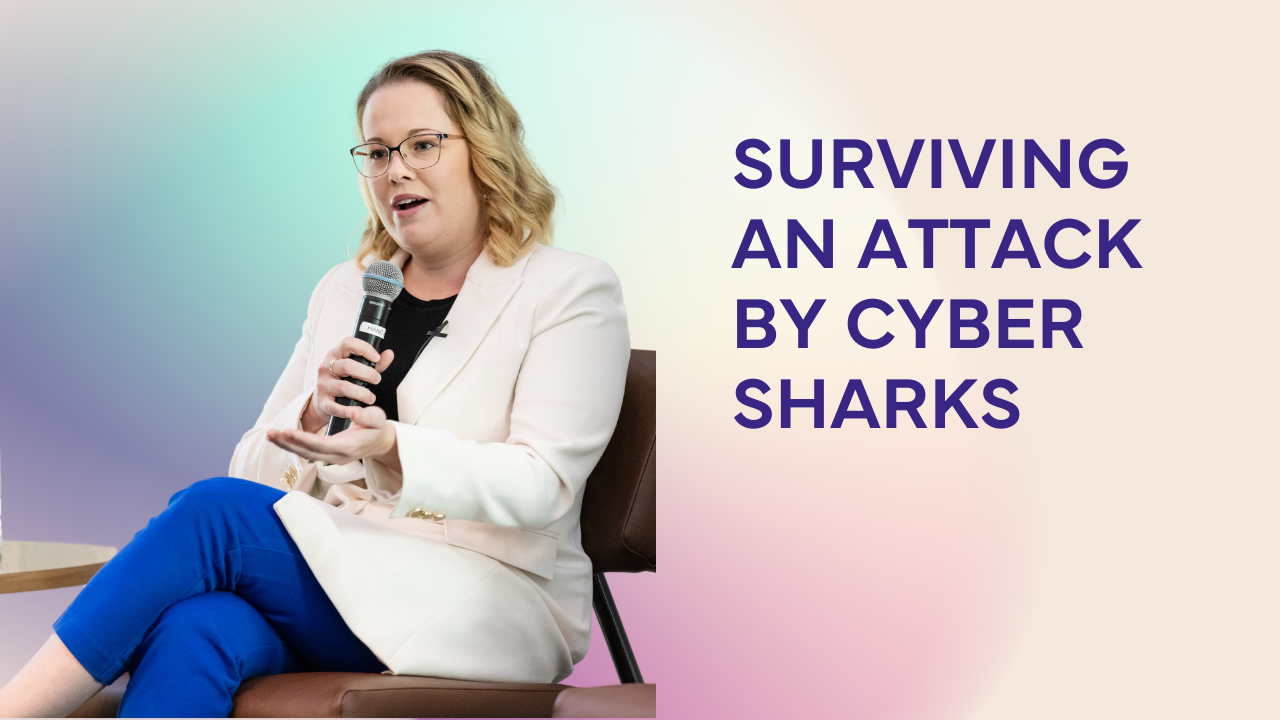
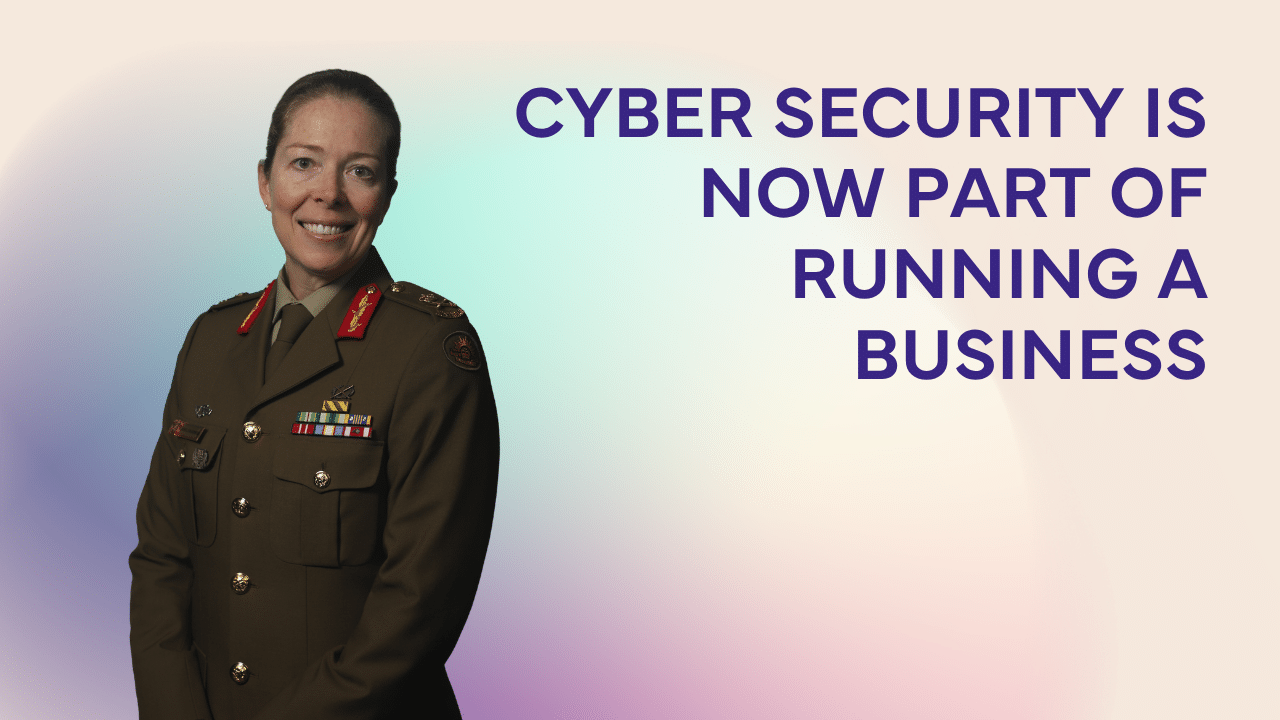
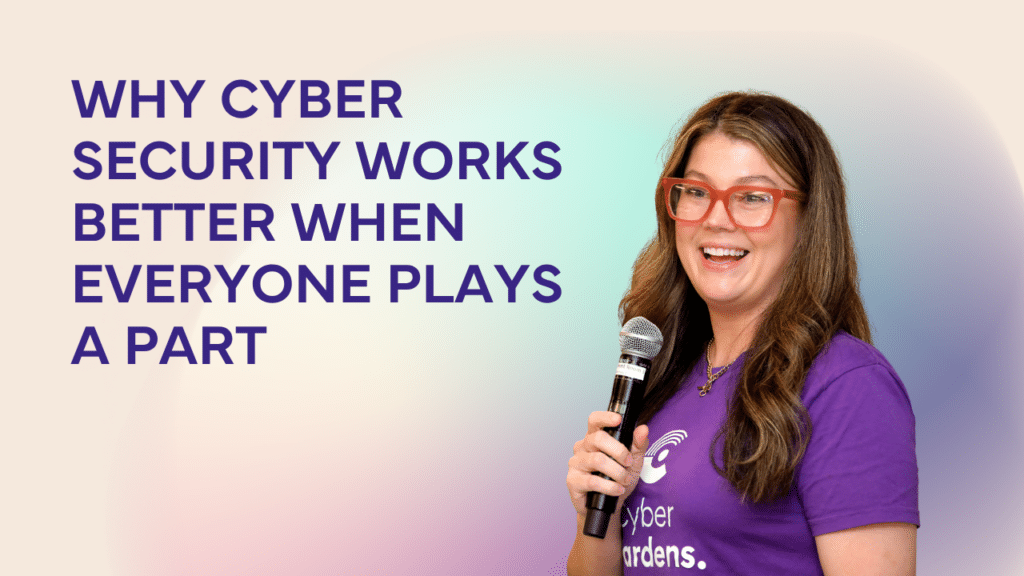
Madeleine Opitz, Program Lead for Cyber Wardens, has seen the weakness in that approach first-hand.
“It only takes one weak link in the chain,” Madeleine says. “And that chain runs through every single person in your business.”
Cyber Wardens was built around a simple idea: to thrive, small businesses need everyone on the team to understand cyber security basics.
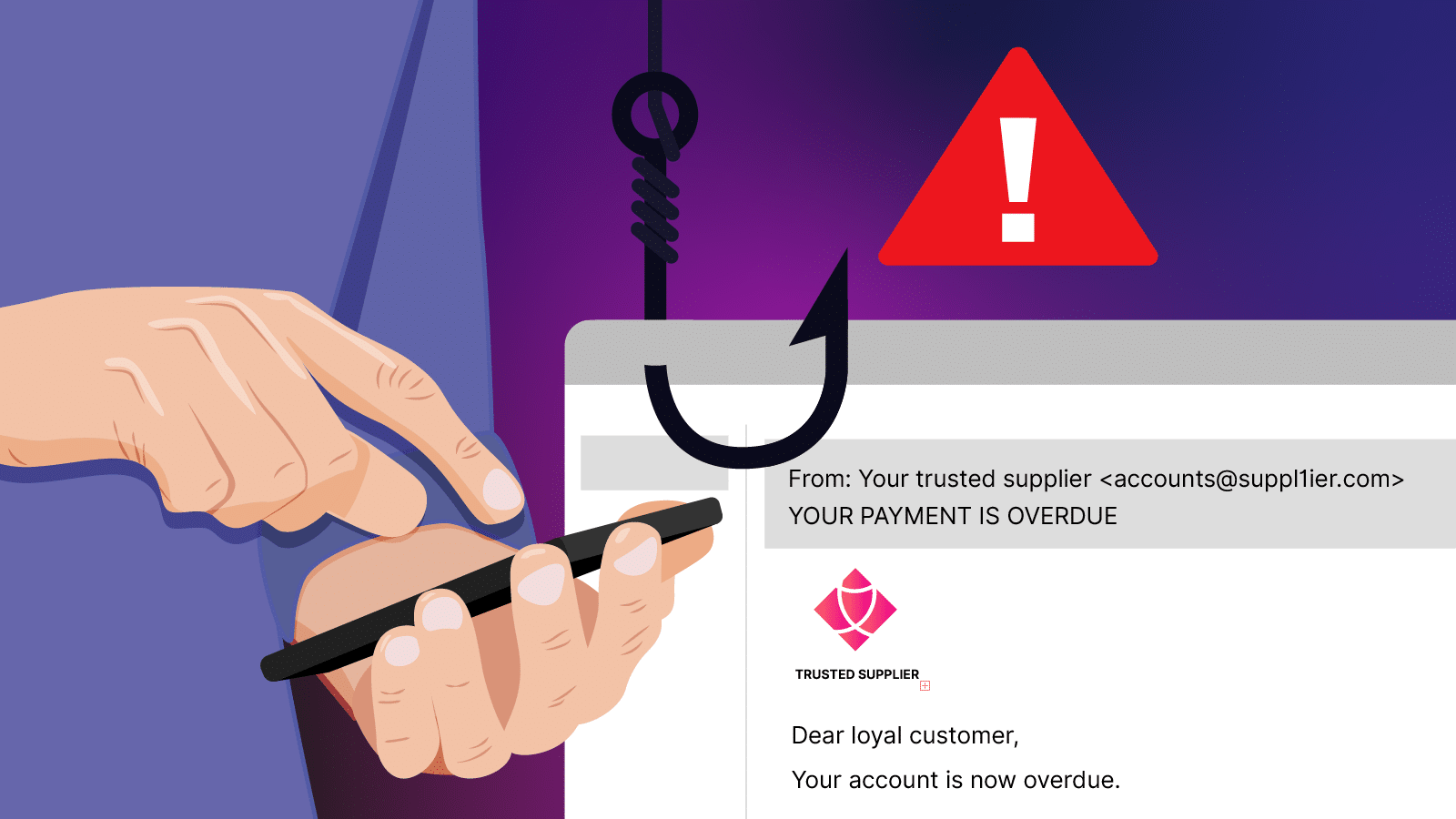
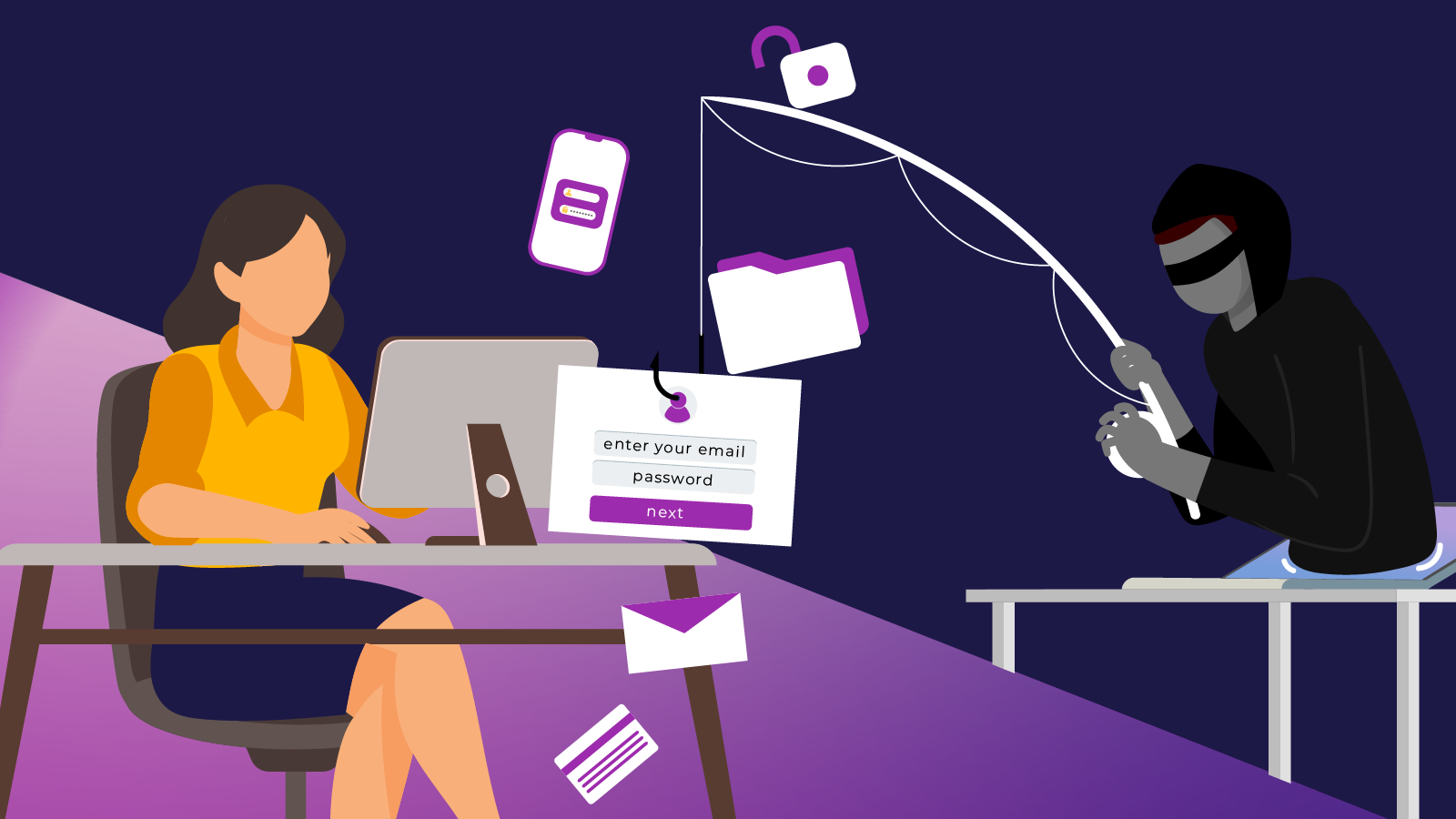
That means knowing how to recognise a suspicious email, why multi-factor authentication matters and when to pause before clicking, sharing or approving something unusual.
What 55,000 people have taught us
Through Cyber Wardens, Madeleine has helped build a community of more than 55,000 people and worked with over 100 partner organisations.
One lesson comes up again and again: people are more likely to act when cyber security advice comes from someone they already trust.
That might be an industry association, accountant, supplier or another business owner.
“When someone hears about Cyber Wardens from a person they respect, they come in with confidence,” Madeleine says. “That recommendation does a lot of the work before we even get started.”
For small businesses, that trust matters. Cyber security can feel technical, overwhelming or easy to put off. A recommendation from someone familiar can make it feel more relevant and more achievable.
Do not assume the basics are covered
In workshops, Madeleine often asks how many people have multi-factor authentication turned on across every important business account.
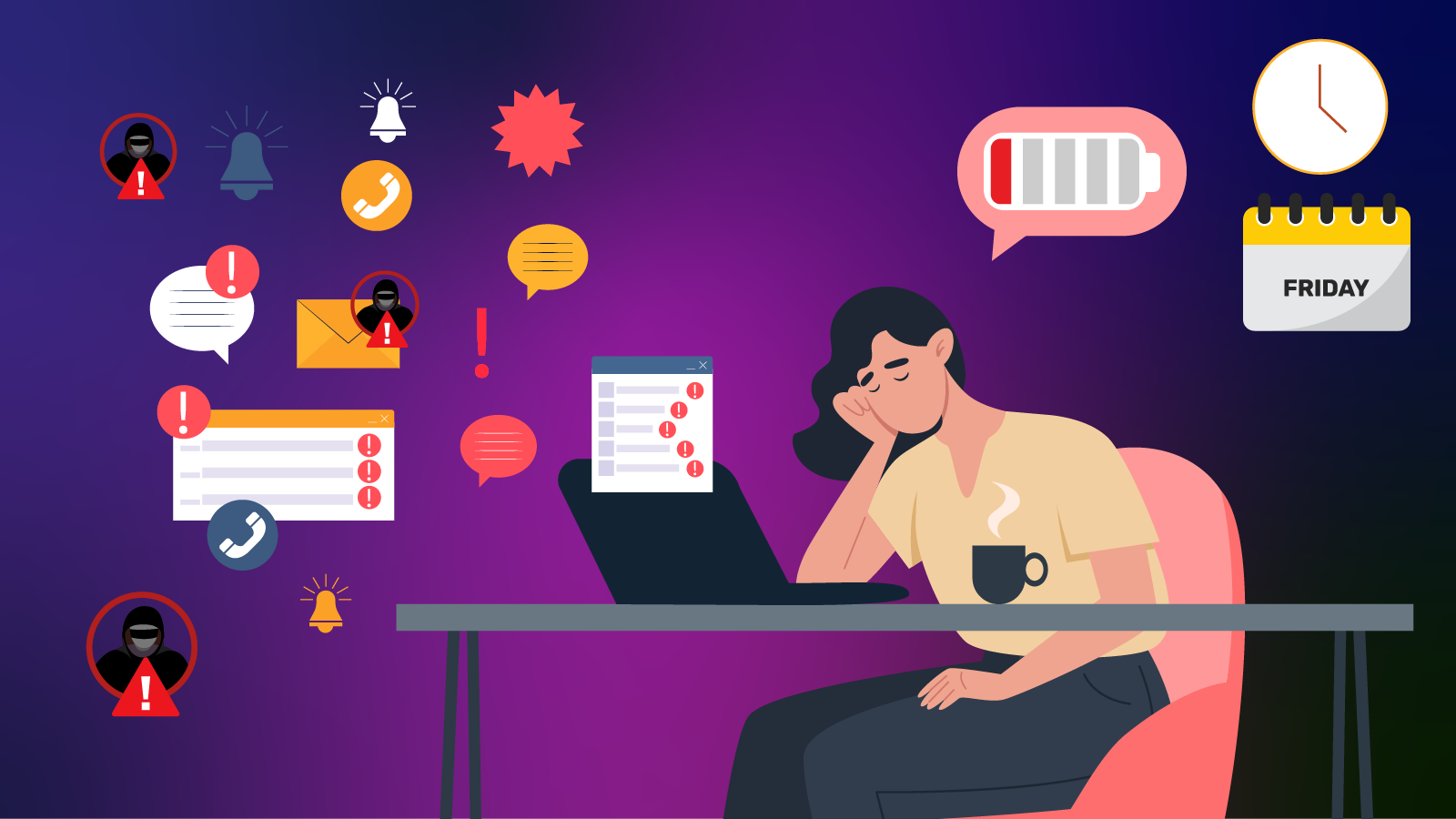
The answer is usually fewer than expected. These are capable business owners with staff, customers and important information to protect. But like most small businesses, they are also busy.
“Every time we run a session and someone says, ‘I didn’t know that,’ that’s not a failure,” Madeleine says. “That’s exactly what we’re there for.”
The lesson is to check, rather than assume. Are all important accounts protected? Does everyone know what a phishing email can look like? Would a casual employee or contractor know what to do if something felt wrong?
Madeleine’s advice for small businesses

Start by sharing the basics with everyone who touches your systems. Then complete the free Cyber Wardens training as a team.
Most importantly, keep the conversation going.
Cyber security works best when it is not one person’s job. It works when the whole team knows they have a role to play.