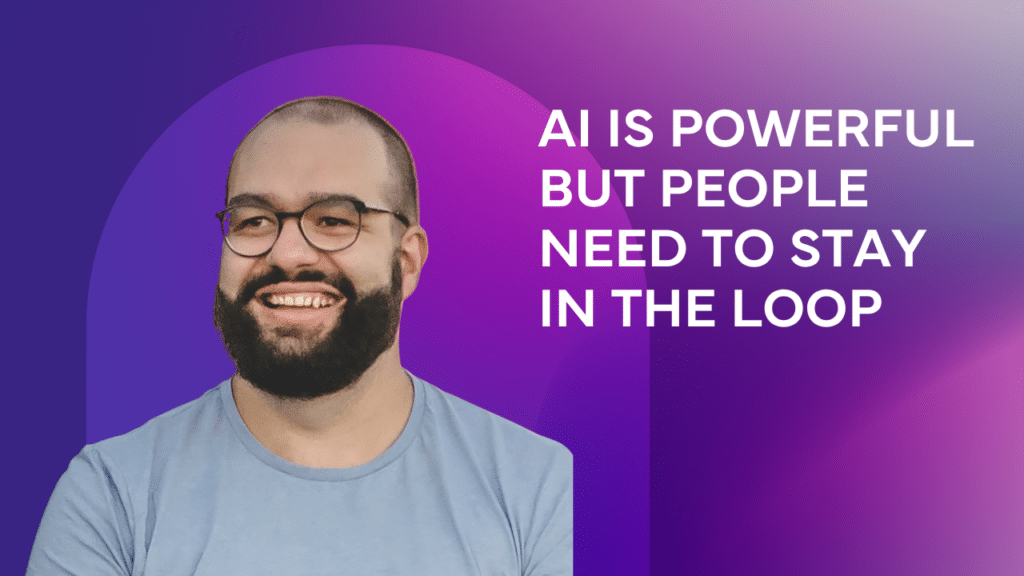
Stephen Zappia believes small businesses should lean into AI, not avoid it. But he also believes the businesses that use it best will be the ones that keep people, judgement and trust at the centre.
As COO of digital consultancy Revium, Stephen works with businesses adopting new technology. He sees enormous opportunity for small businesses using AI to save time, improve processes and do more with limited resources.
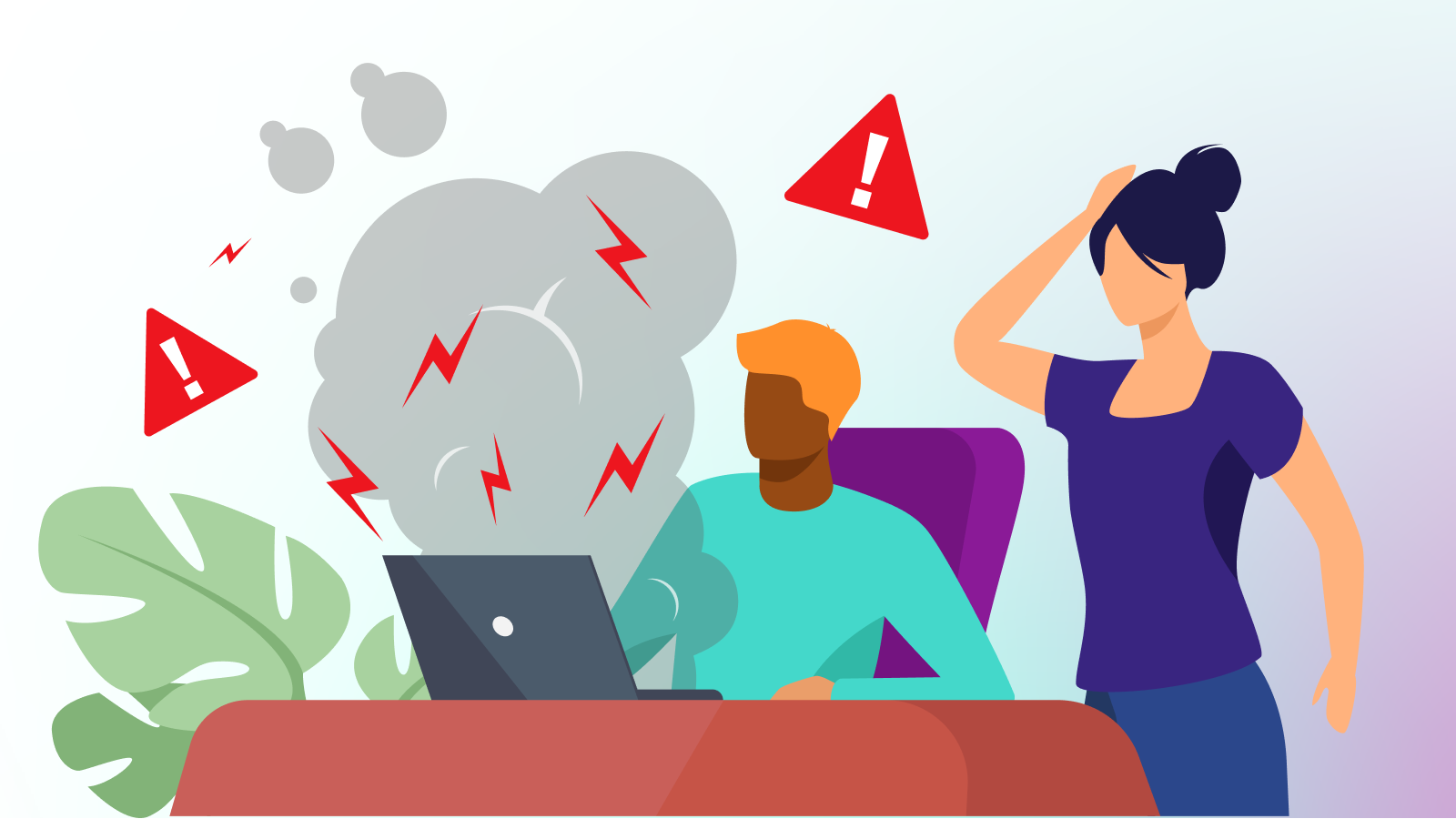
But he also sees a risk: people trusting AI too quickly.
“Just because the AI is speaking with confidence, that does not mean it’s actually doing the right thing,” Stephen says.
The risk of overconfidence
Small businesses have always had people wearing many hats. AI makes that even easier. Someone can draft emails, analyse data, create content or build simple tools without needing the specialist skills they once would have relied on.

That can be useful, but Stephen says it becomes risky when people use AI for tasks they do not know how to check.
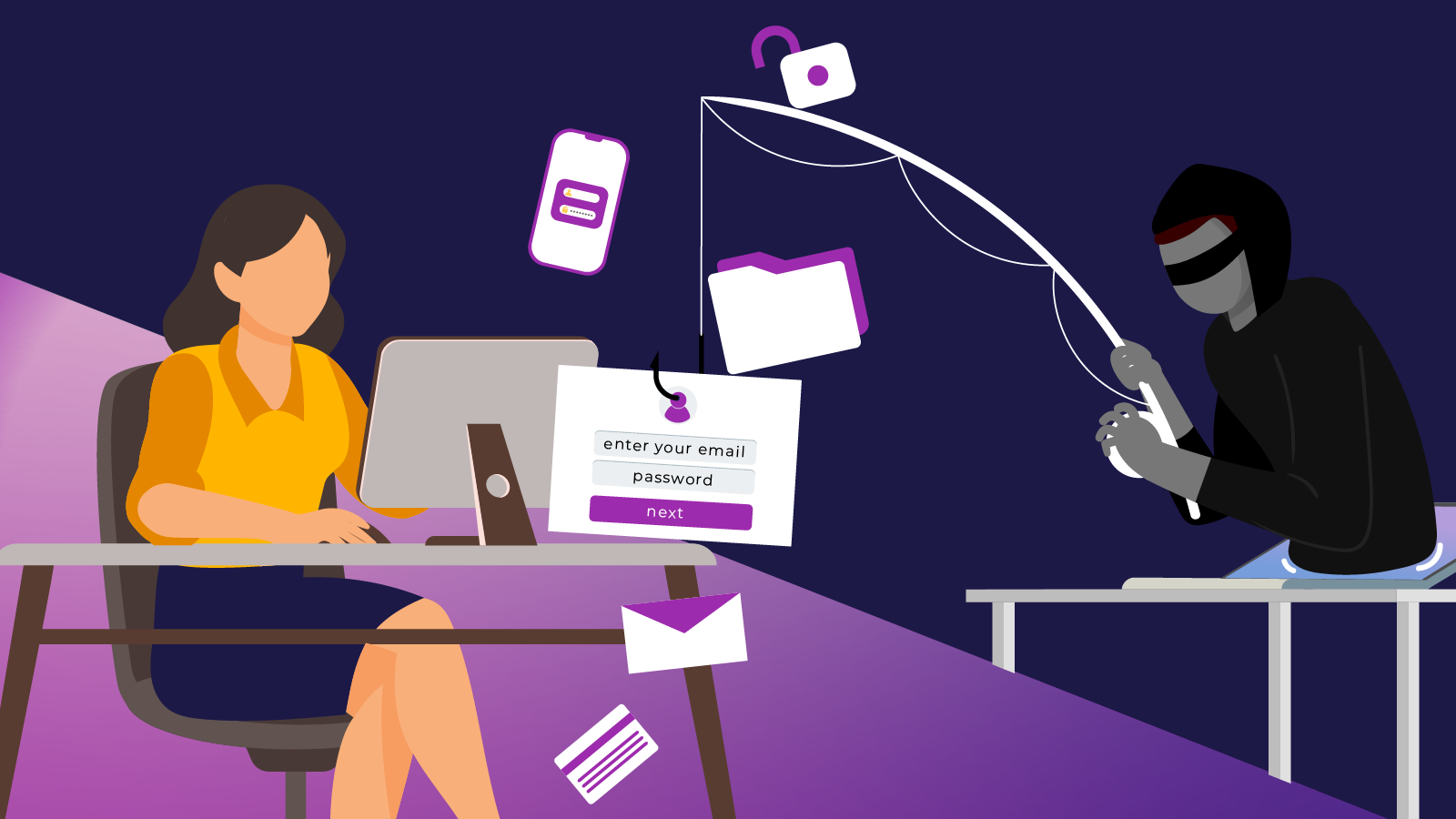
A staff member may upload sensitive financial records into an AI tool to save time. Someone may use AI to draft customer communications without reviewing the message. A business may use AI-generated code or tools without understanding whether they are safe.
Stephen says the answer is not to ban AI. It is to create the right guardrails.
Choose tools with purpose
Stephen encourages small businesses to be curious, but not reckless. He describes three approaches to AI adoption: the ostrich, the magpie and the hawk.
The ostrich avoids AI and hopes it goes away. The magpie grabs every shiny new tool without thinking it through. The hawk stays aware, watches carefully and only swoops when something genuinely supports the business.
That is the approach Stephen wants more small businesses to take.
“You want to have a bird’s eye view of what’s going on,” he says. “You do want to swoop, but only when there’s something that actually serves you or your business.”
People are still the safeguard

Stephen says the most important AI habit is keeping humans in the loop. People need to check AI outputs, question what they receive and think carefully before sharing business information.
He also recommends creating a shared knowledge base so important business information is not stuck in one person’s head. That helps staff, reduces silos and gives AI tools better information to work with when used safely.
Stephen’s advice for small businesses
Set clear rules for AI use. Decide what tools your team can use, what information should never be entered and when human review is required.
Cyber Wardens training can help teams build the everyday judgement they need to spot risks, question unusual requests and use technology more safely.