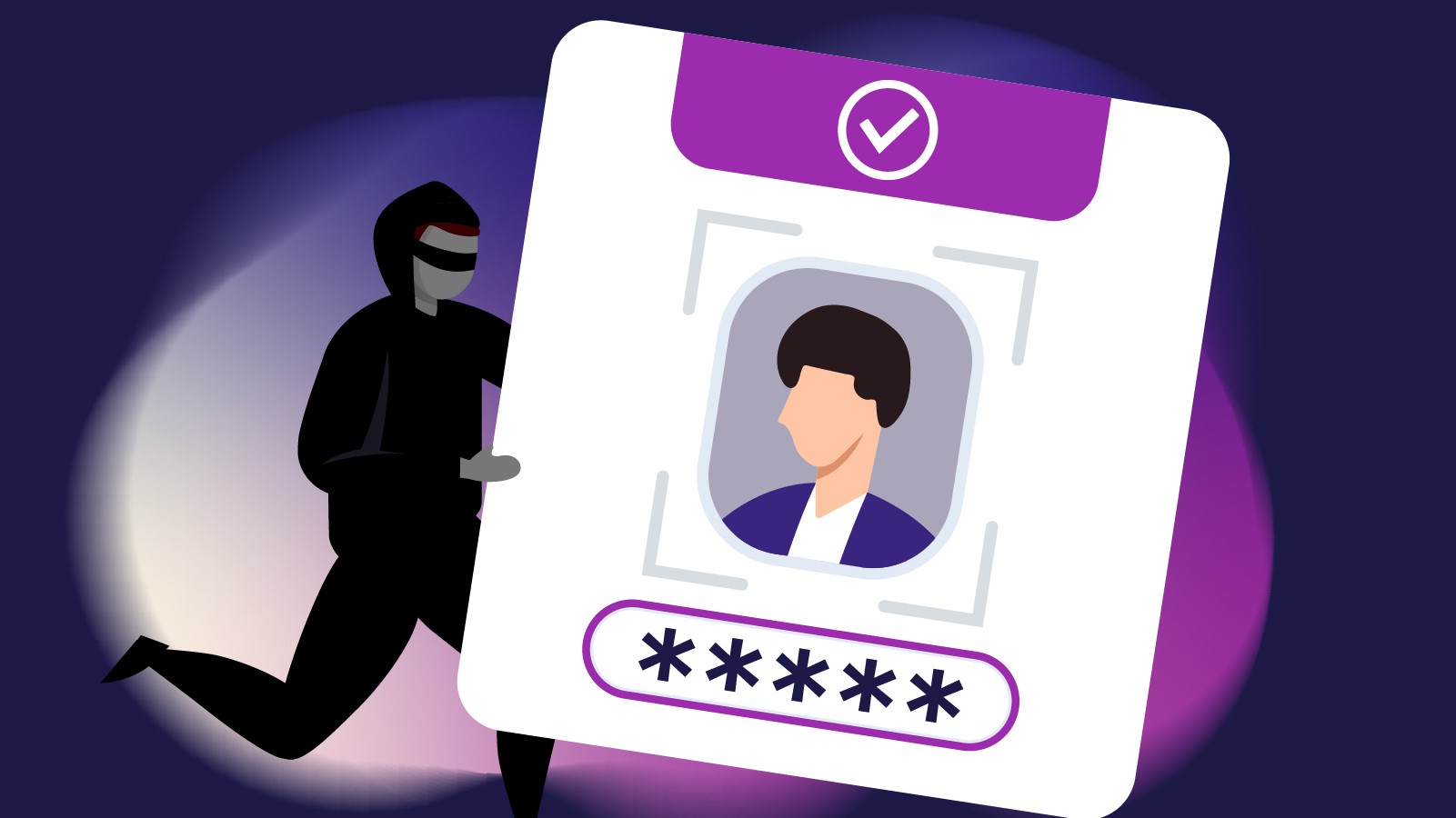
Scams are becoming more convincing, more targeted and harder to spot. From fake payment requests to impersonation scams, cyber criminals are constantly refining their tactics, often moving faster than traditional security measures can keep up. That’s where artificial intelligence (AI) comes in. Australian banks are increasingly using AI to help detect, disrupt and prevent scams before customers lose money.
Key Takeaways:
- Banks are using AI to spot scams faster than humans can: AI analyses behaviour in real time to detect suspicious activity before money is lost.
- Scam tactics are evolving, and so are defences: As criminals use more sophisticated methods, banks are using AI to keep pace.
- Technology helps, but awareness still matters: AI is a powerful tool, but customers play a critical role in stopping scams too.
How AI helps banks spot scams
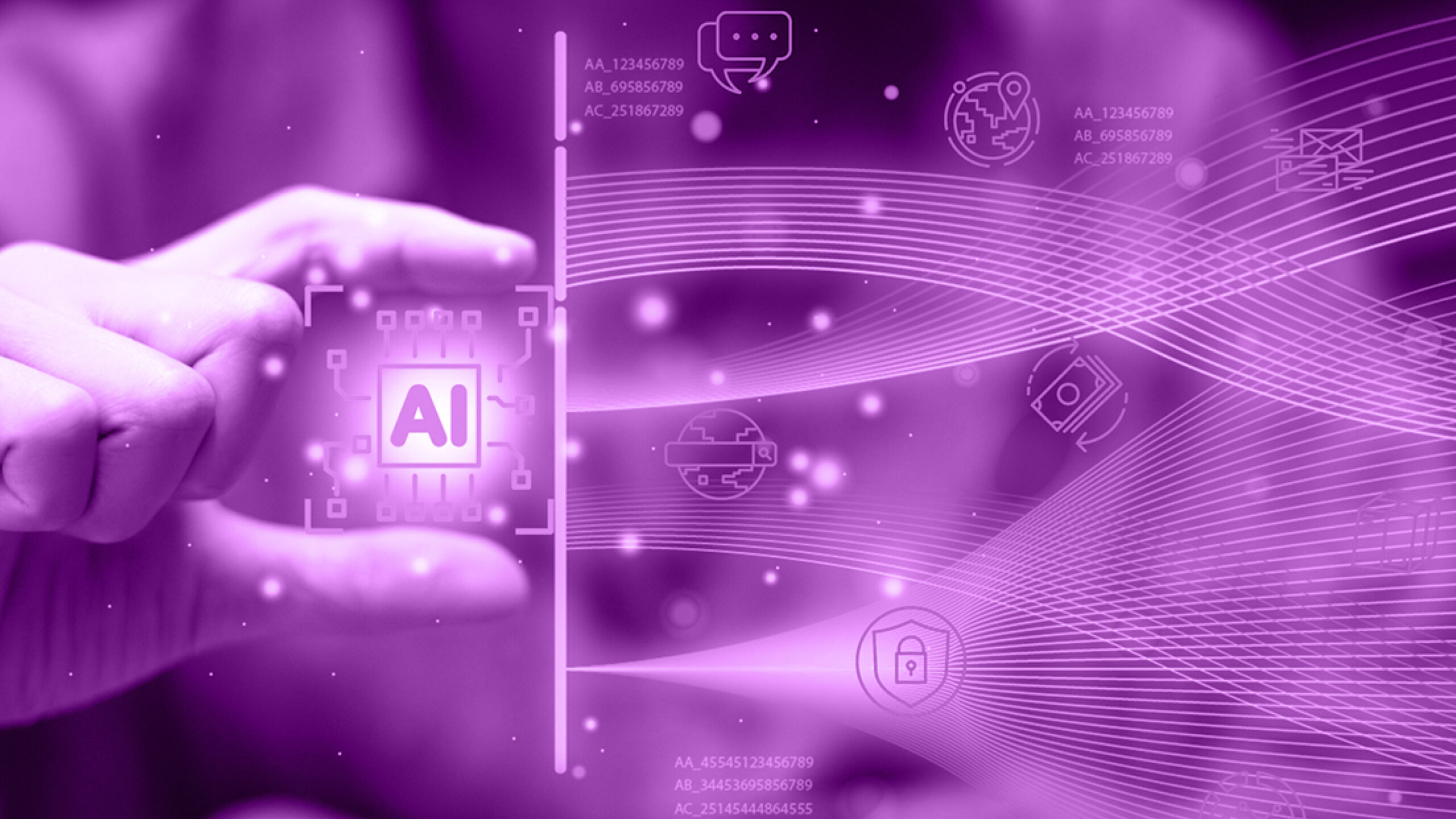
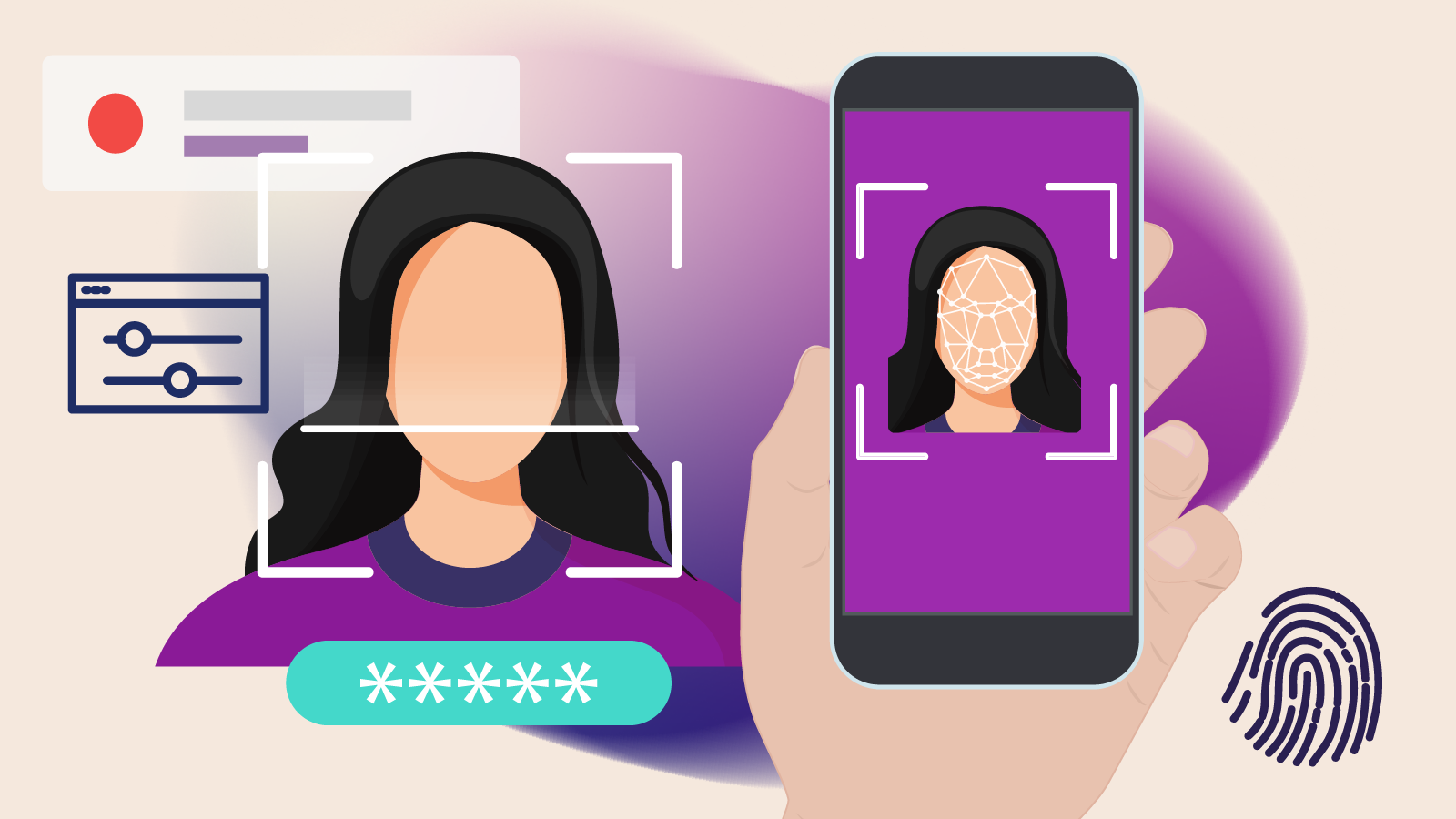
Unlike traditional rule-based systems that rely on known patterns, AI can analyse huge volumes of data in real time and adapt as threats change.
AI systems look for unusual behaviour, such as:
- Transactions that don’t match a customer’s normal spending habits
- Sudden changes in payment patterns
- Transfers to new or high-risk accounts
- Activity that mirrors known scam techniques
When something doesn’t look right, the system can flag it instantly, sometimes stopping or delaying a transaction while checks are carried out.
Detecting scams in real time
Speed matters when it comes to scams. Once money leaves an account, it can be challenging to recover.
AI allows banks to:
- Monitor transactions as they happen
- Identify high-risk payments within seconds
- Prompt warnings or verification steps before a transfer goes through
In some cases, customers may see a pop-up warning, receive a call, or be asked to confirm details before proceeding.

Reducing impersonation and payment scams
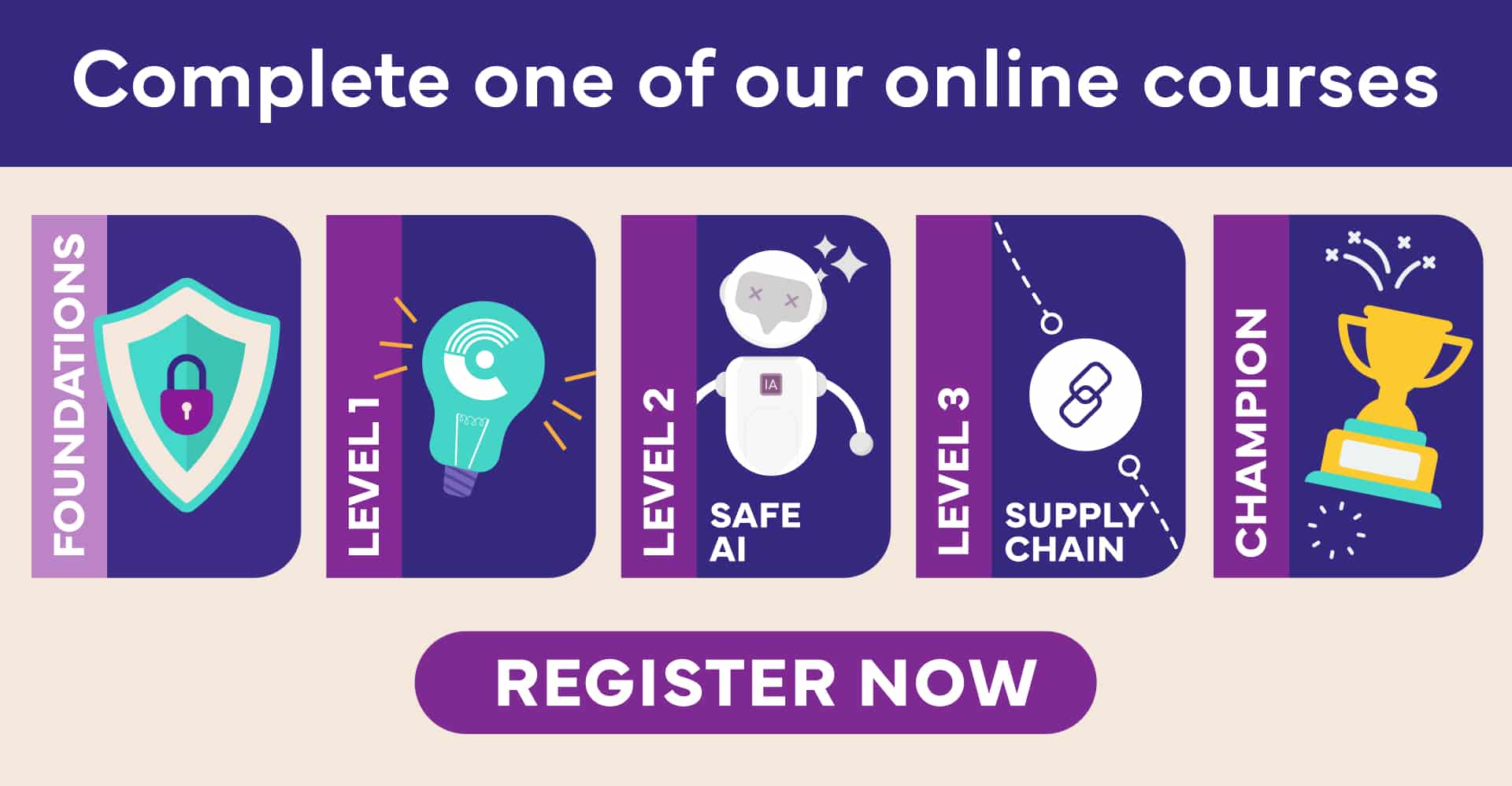
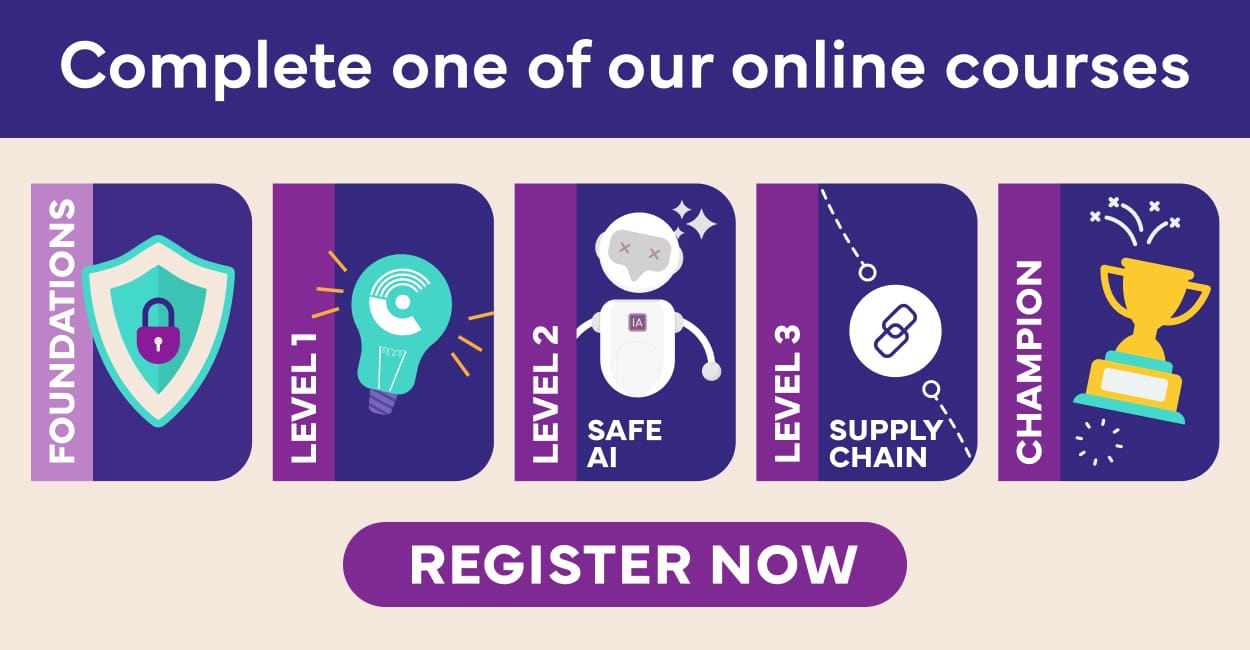
One of the best investments you can make in your small business’s cyber security is to become a Cyber Warden.
It only takes 2 minutes to enrol, and the Cyber Wardens course will take you through a suite of important cyber security tips aimed at helping keep your small business cyber-safe.
It’s free and easy to enrol and would make the perfect new financial year resolution to set your business up for a more secure and successful 2024-25.
AI isn’t perfect. That’s where people come in
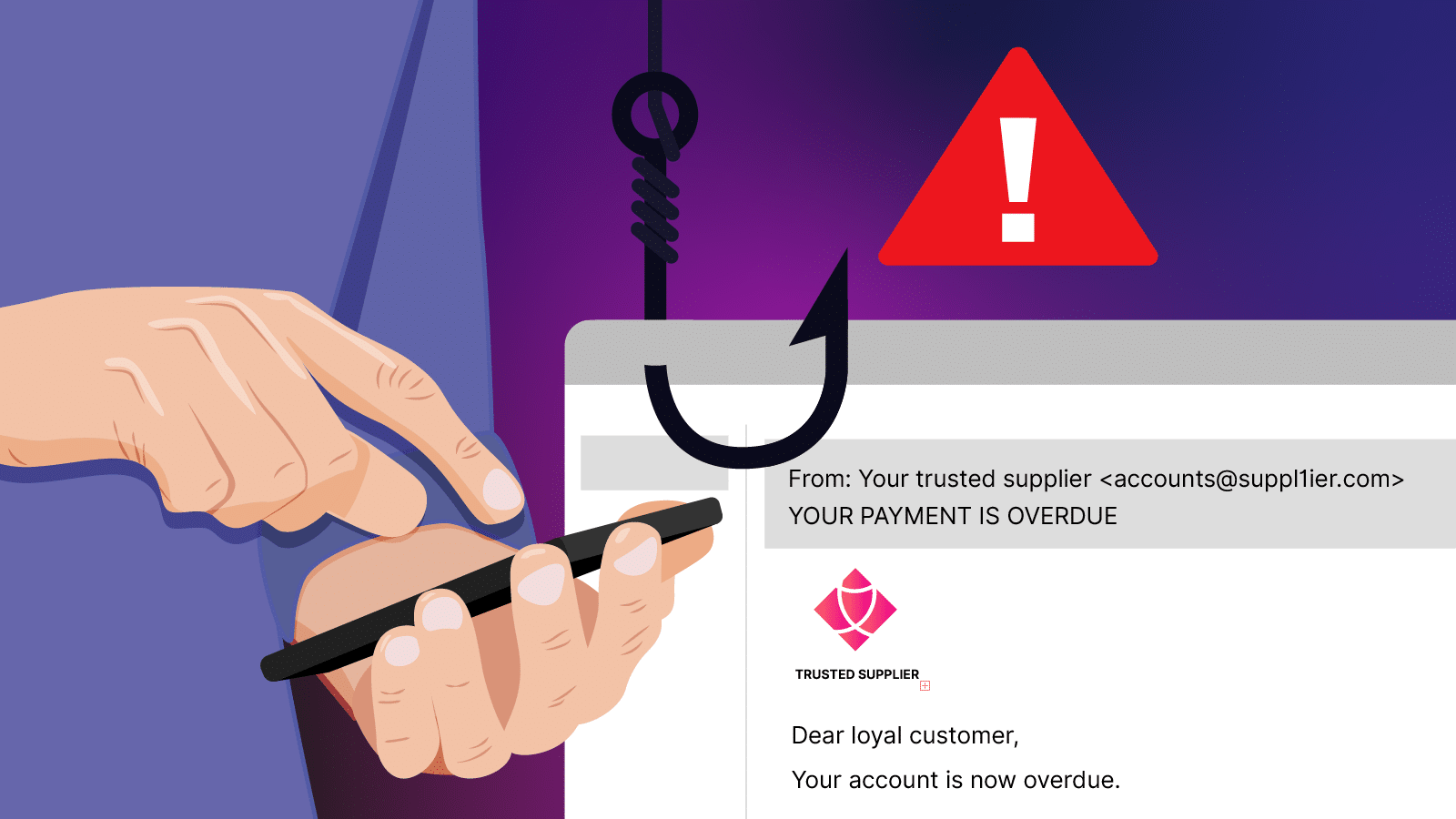
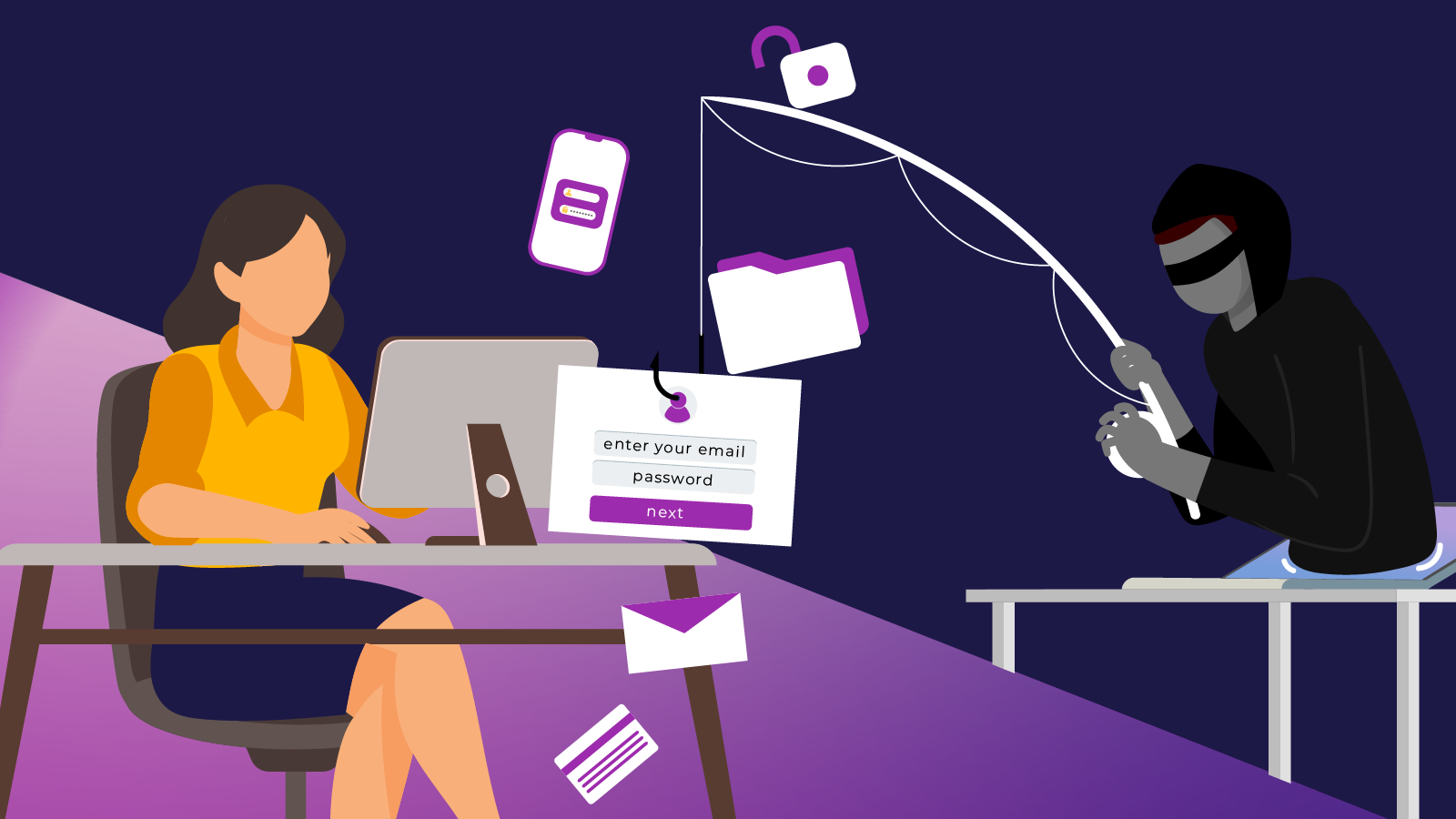
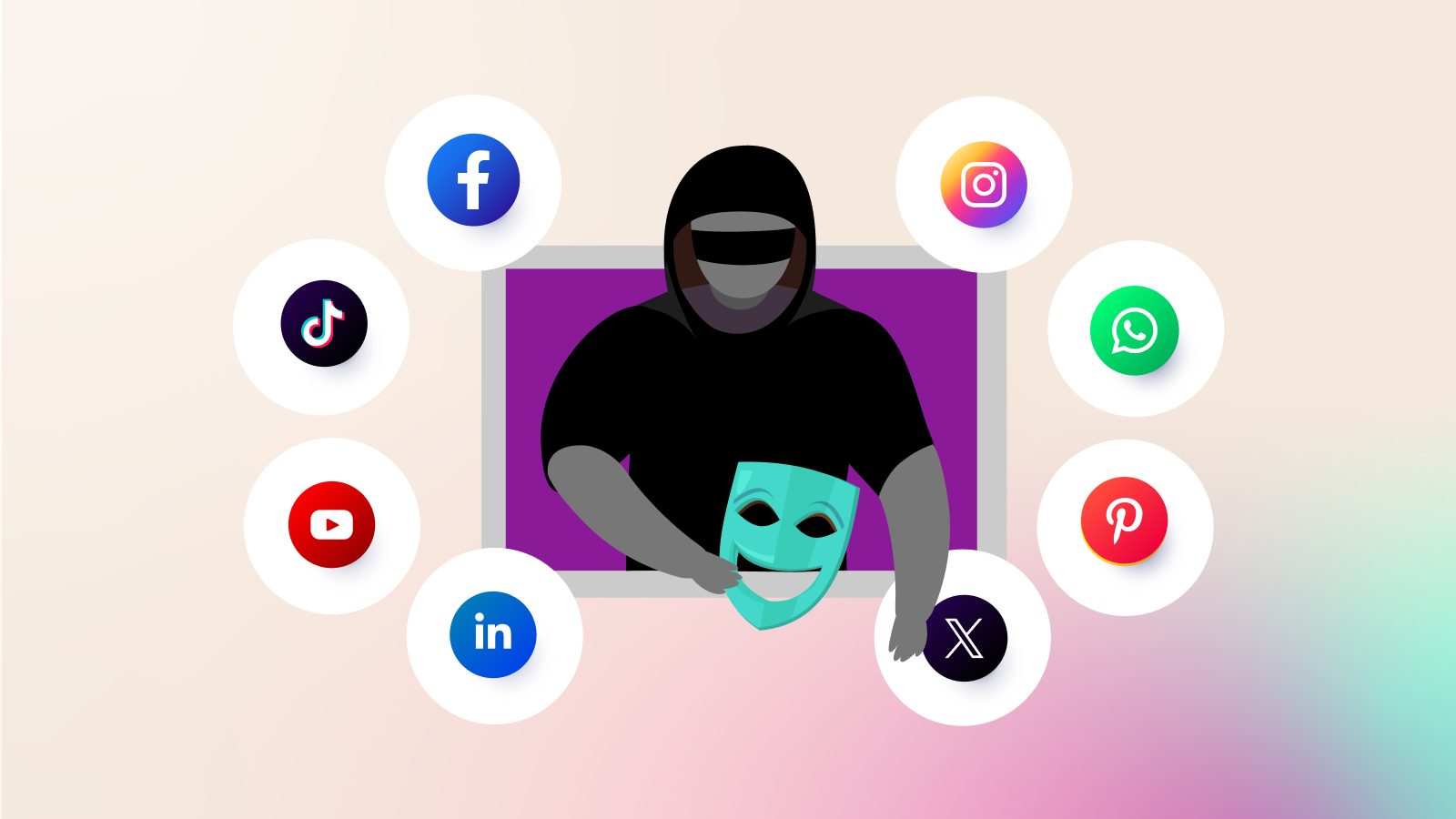
AI is particularly useful in tackling impersonation scams, where criminals pretend to be:
- Banks or government agencies
- Businesses requesting urgent payments
- Trusted contacts such as suppliers or colleagues
By analysing language, timing, transaction details and account history, AI can identify warning signs that a payment request may not be legitimate.
AI isn’t perfect. That’s where people come in
While AI is a powerful defence, it’s not foolproof. Banks rely on customers to slow down, question unusual requests and respond to warnings.
If a bank flags a transaction or asks additional questions, it’s not an inconvenience, it’s a safeguard.
What you can do as a customer or business
Even with AI working in the background, your actions still matter:
- Take warnings seriously and pause before making urgent payments
- Verify payment requests through a second channel
- Be cautious of pressure, secrecy or unusual instructions
- Report suspected scams as soon as possible
Staying one step ahead
AI is helping banks detect scams faster, respond more effectively, and protect customers more efficiently than ever before. But technology alone can’t stop scams.
Awareness, education and good cyber habits remain essential.
To learn how to recognise scam warning signs and protect yourself or your business, explore our course catalogue and enrol in the free Cyber Wardens training program.