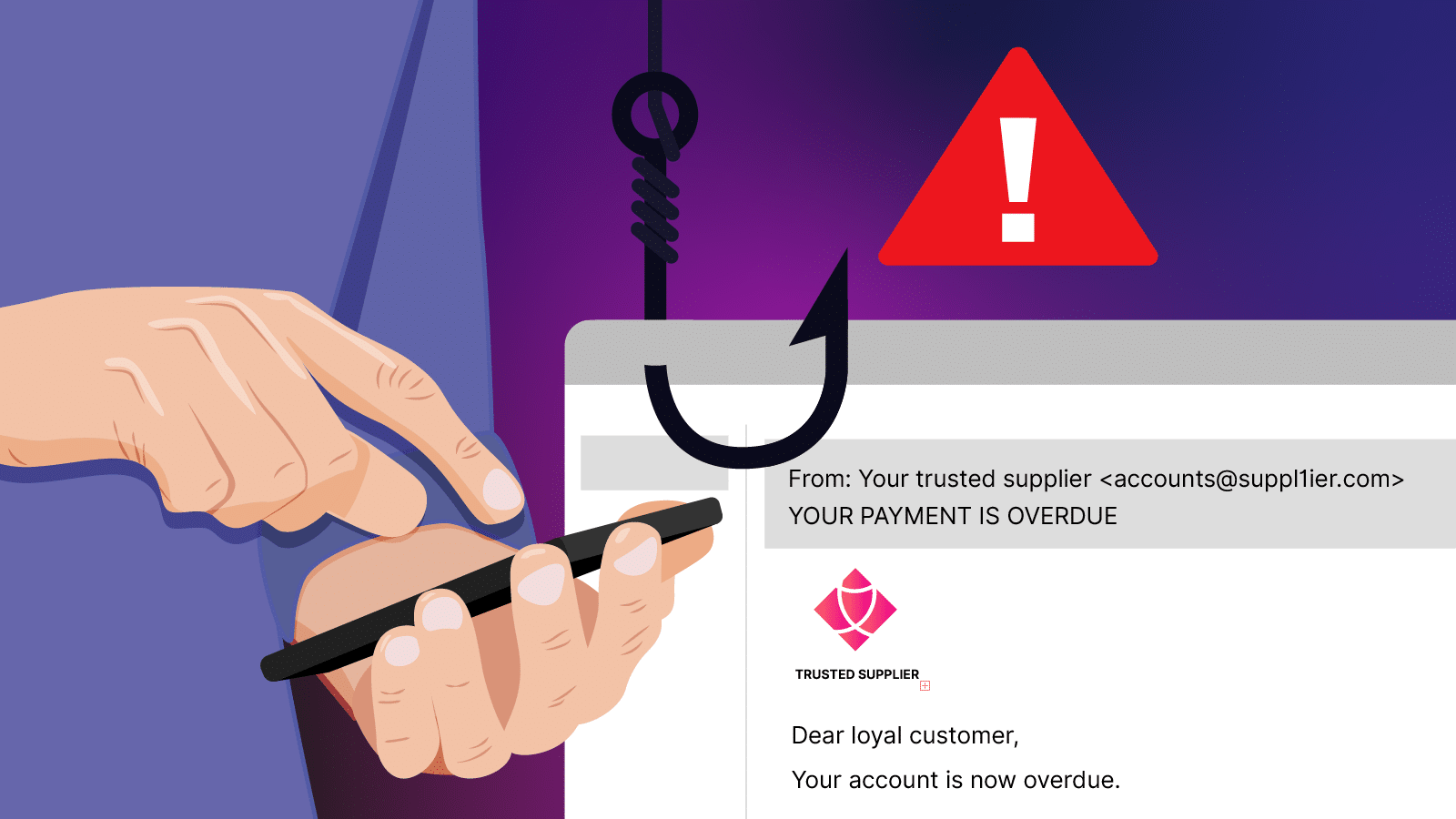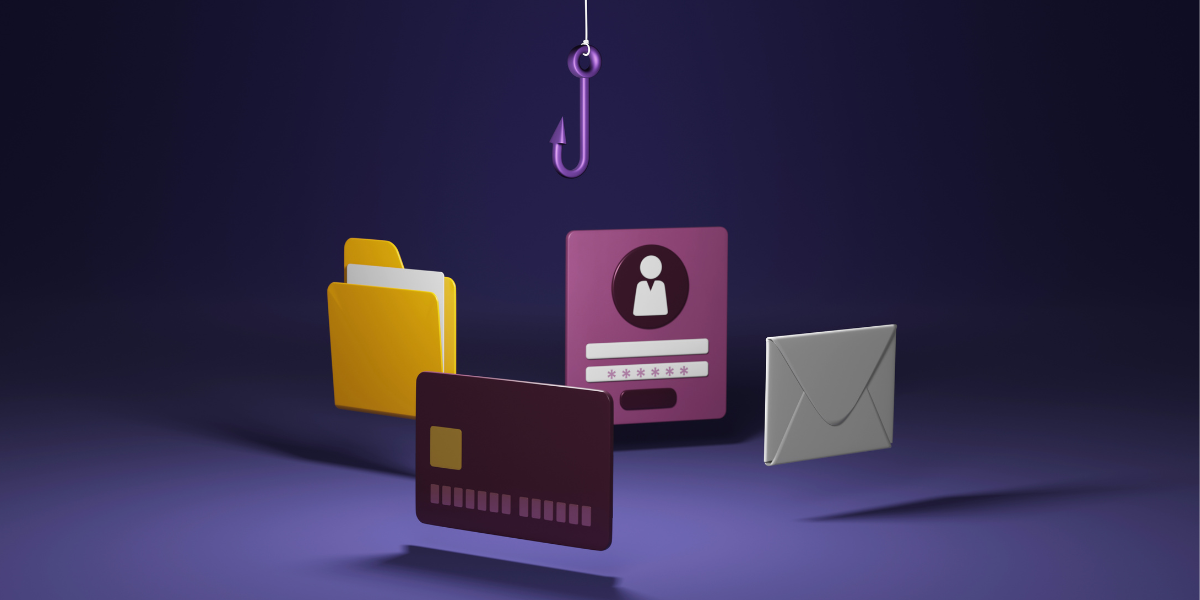
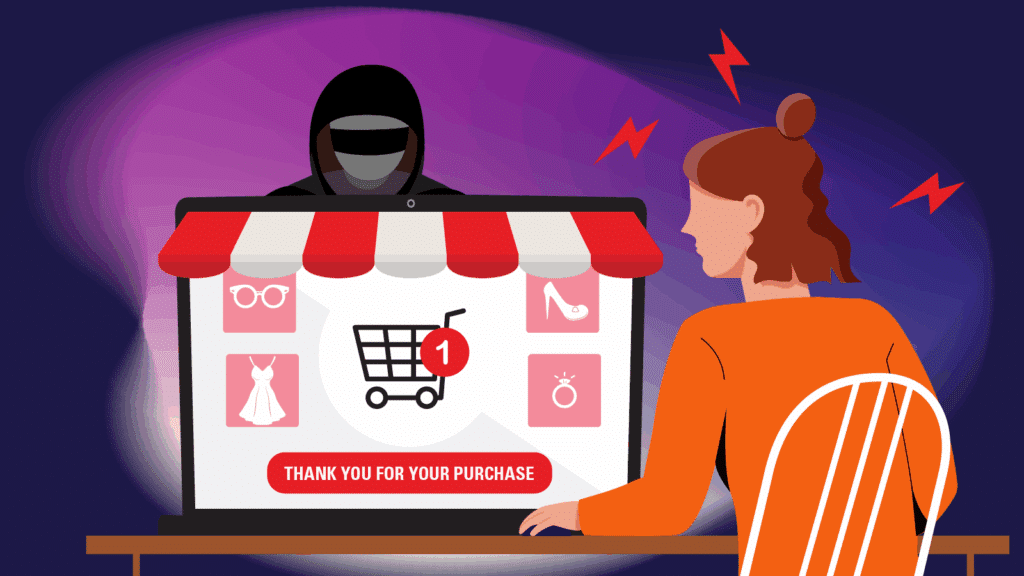
Online shopping scams are becoming increasingly sophisticated. Even the most tech-savvy shoppers can fall victim to a fake online store. These fraudulent websites often mimic authentic brands, offer ‘too good to be true’ deals, or use clever domain names to trick you into handing over your money and personal information.
Key Takeaways:
- Fraudulent websites often mimic authentic brands.
- Scammers often attempt to phish more data after the initial purchase.
- If you paid using a credit or debit card, contact your bank or card provider as soon as possible.
If you’ve realised you’ve ordered from a fake online store, don’t panic. There are some steps you can take to reduce the damage. These sites are designed to appear legitimate, complete with brand-like logos, professional photography, and fake reviews.
Remember: It can happen to anyone. What matters now is how quickly you act.
Stop all communication with the site
If you’ve received confirmation emails or messages from the website:
- Do not click on any further links
- Do not download attachments
- Do not provide any additional personal information
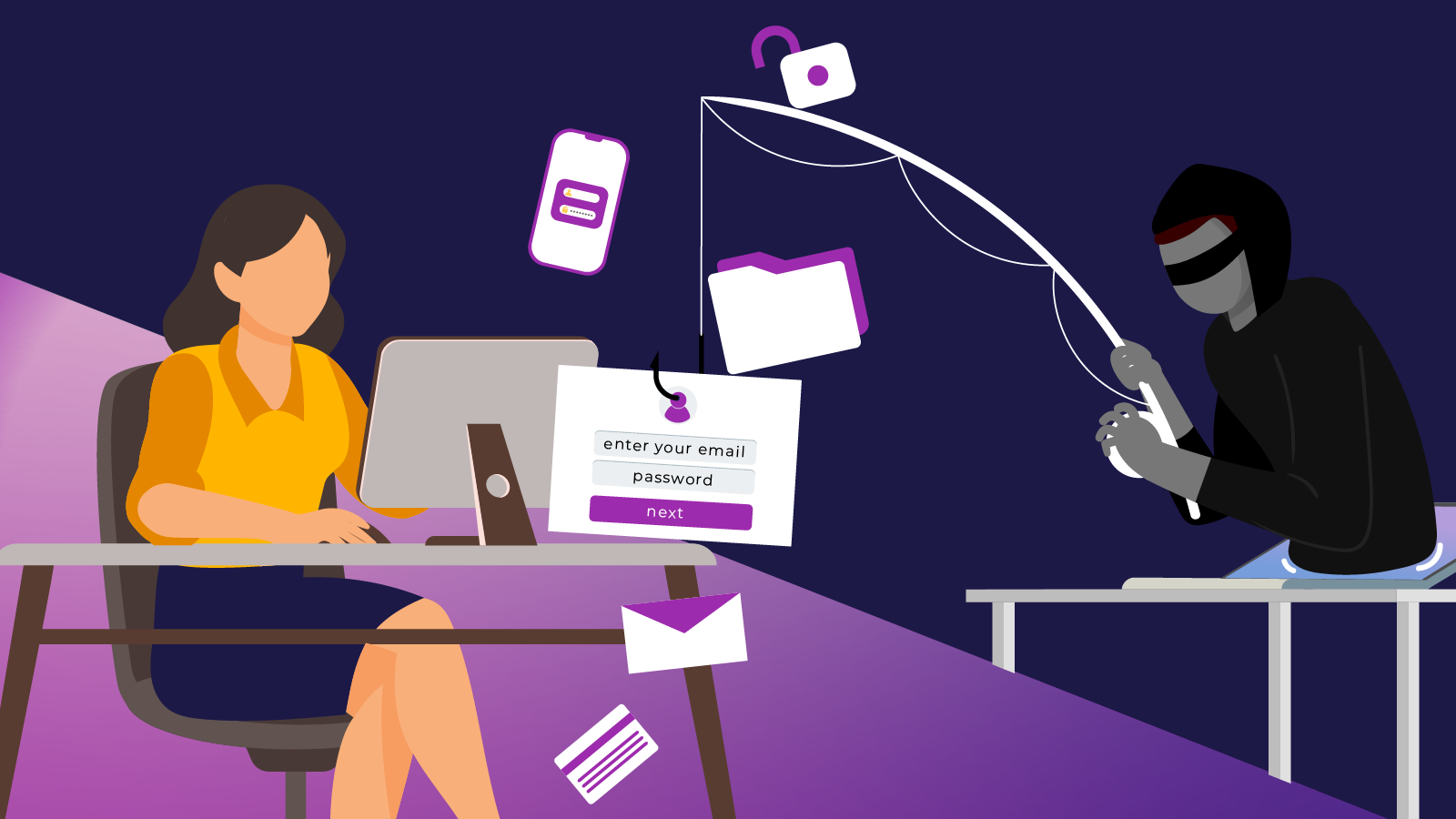
Scammers often attempt to phish more data after the initial purchase. Cutting off contact helps limit their access to your information.
Contact your bank or payment provider immediately
If you paid using a credit or debit card, contact your bank or card provider as soon as possible. Let them know the transaction was likely fraudulent and:
- Request a refund
- Ask to block any further payments to the site
Act fast! The sooner you report the transaction, the better your chances of recovering your funds.
Change your passwords
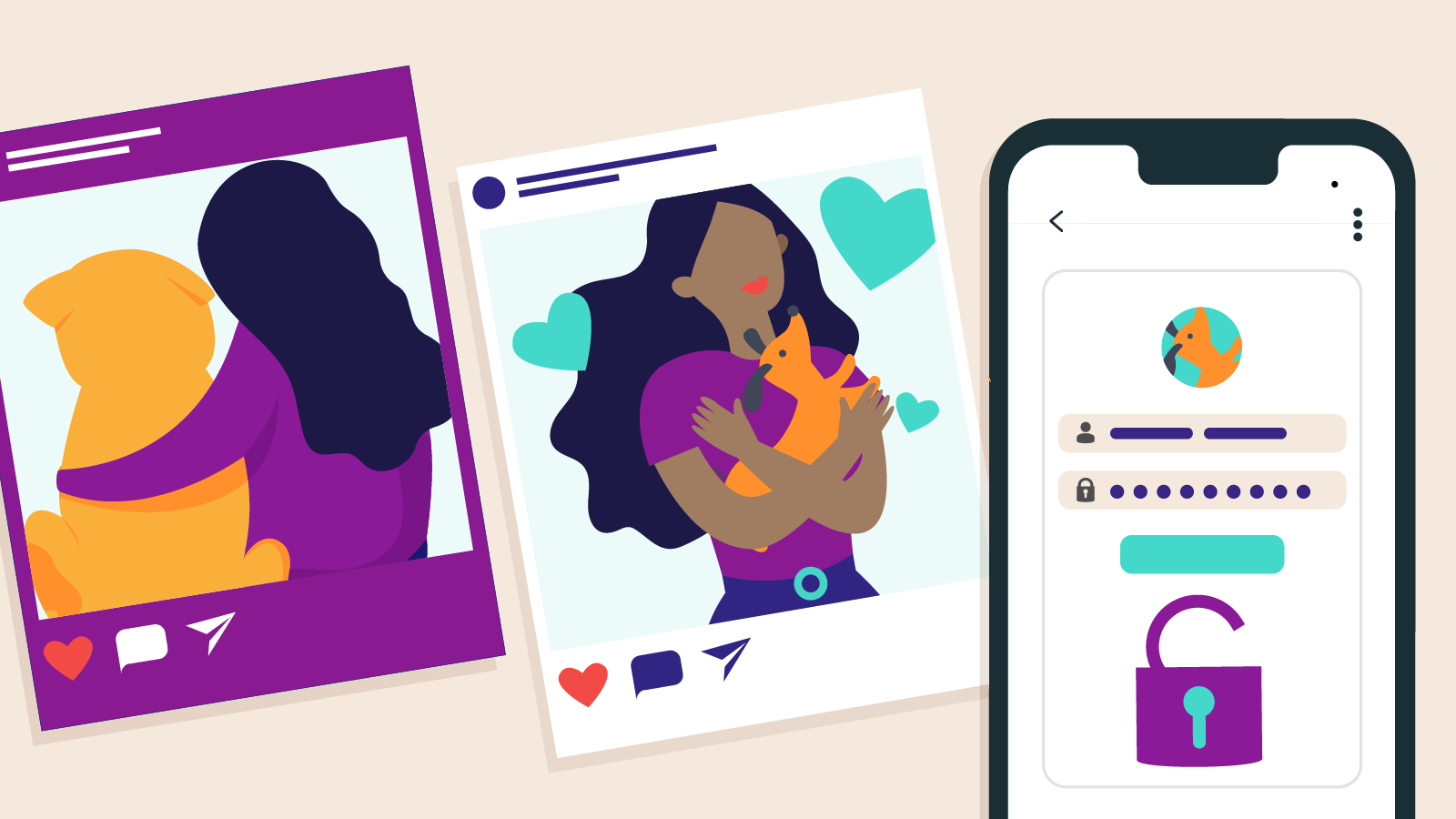
If you created an account on the fake website or used the same password elsewhere, change those passwords immediately.
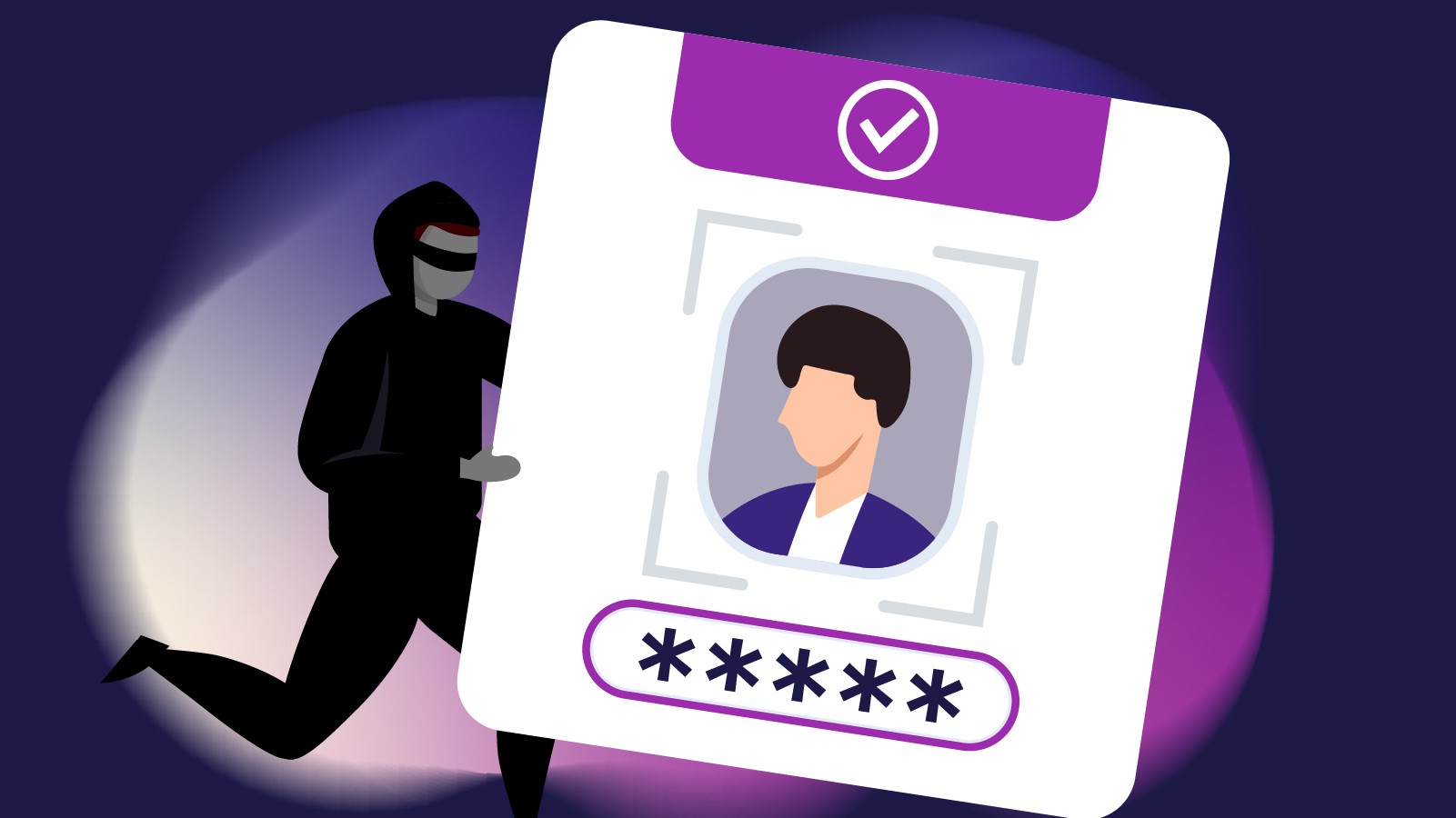
Scammers sometimes attempt credential stuffing (using stolen login details to access other platforms like email, social media, or banking apps) once they get their hands on your credentials.
Tips for safer passwords:
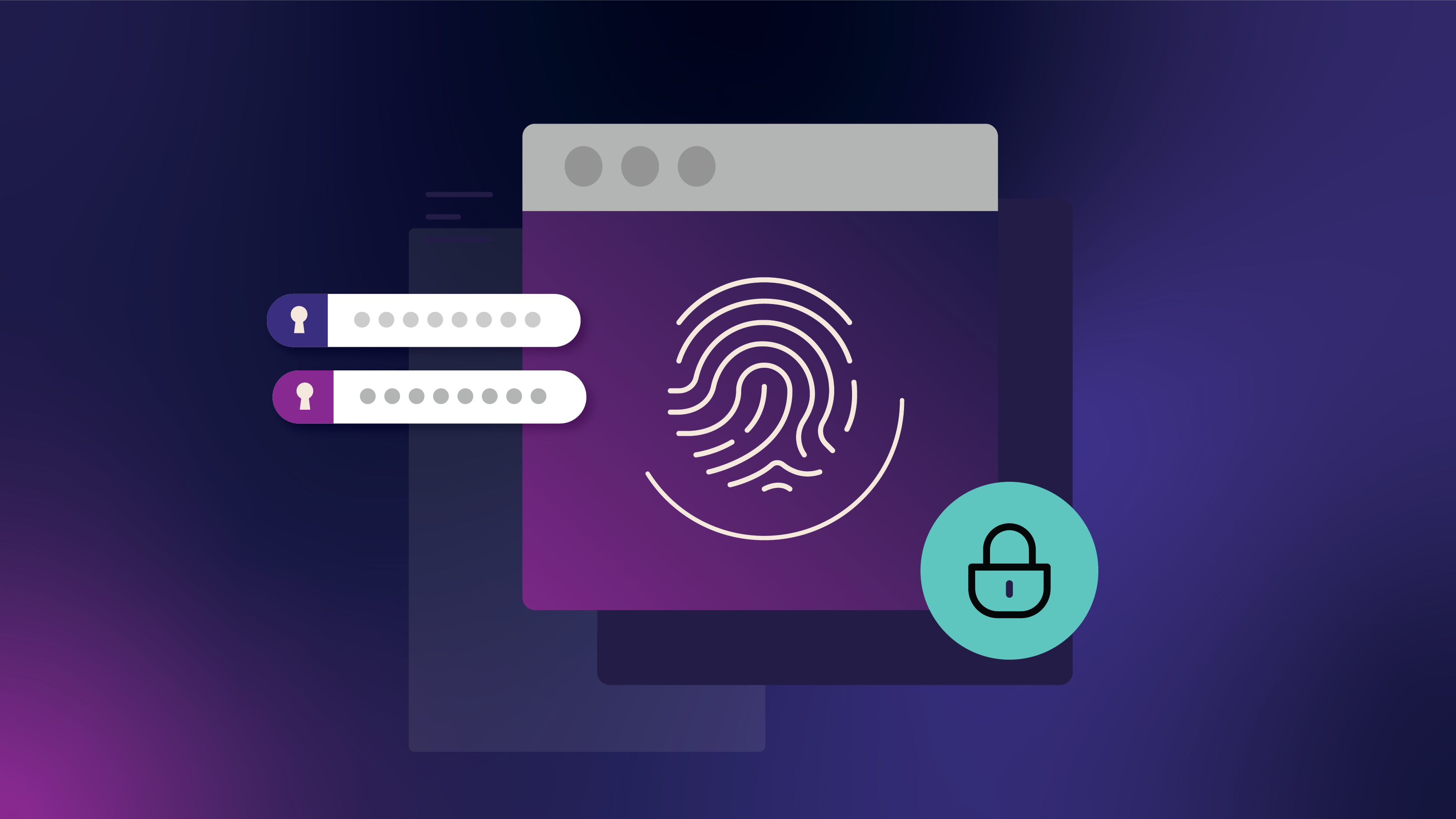
- Use long, strong and unique passwords for every account
- Consider a password manager to help you keep track
- Turn on multi-factor authentication (MFA) wherever possible
Report the scam and scan your devices
Reporting helps authorities track trends and potentially shut down fraudulent sites before others fall victim.
Where to report:
- Scamwatch
- Call the Australian Signals Directorate Cyber Security Hotline on 1300CYBER1 to speak to someone
- Your bank or financial institution if your accounts have been compromised
Stay cyber smart
Scam websites are becoming increasingly difficult to spot, but vigilance remains crucial. Before buying online, always double-check the URL and look for spelling errors, research unfamiliar stores and avoid deals that seem too good to be true.
By acting quickly and staying vigilant, you can minimise the impact of online scams and help others stay safe as well.
Stay informed by following Cyber Wardens for regular updates on the latest scams, online safety tips, and resources to protect your small business and community.