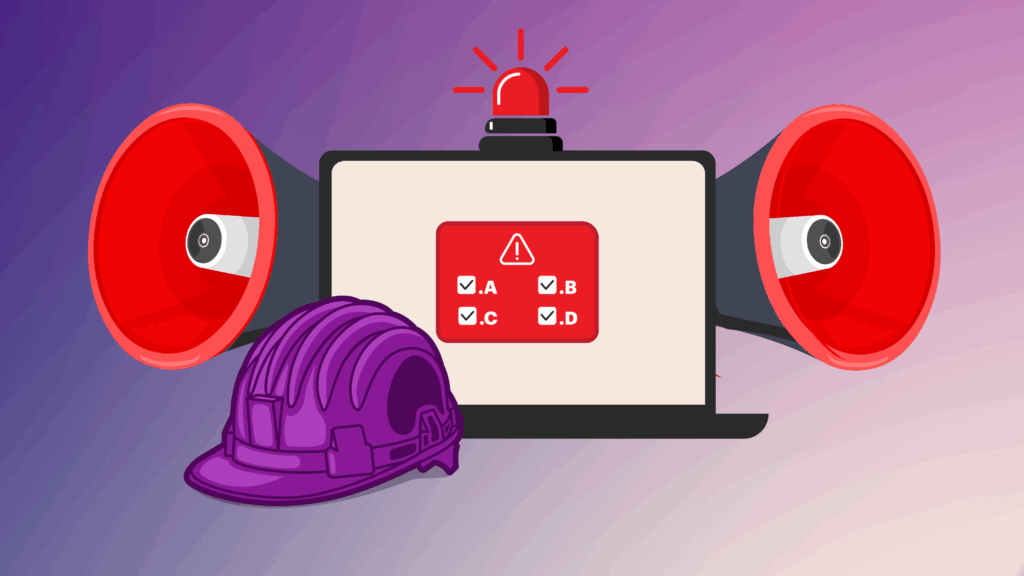
You probably know exactly what to do if a fire alarm goes off at work. You’ve seen the evacuation plan, you know where the exits are, and you understand the process. But if your business were hit by a cyber attack tomorrow, would your team know what to do? Without a practised response, a cyber incident can feel like standing in smoke, unsure where the exits are and who’s meant to take charge.
Key Takeaways:
- A cyber incident is not the time to improvise. Practising your response in advance helps your team act quickly and confidently when it matters.
- Fire drills aren’t just for buildings. Cyber security drills test whether your people, processes and tools actually work under pressure.
- Small exercises can prevent big losses. Regular drills can reduce downtime, confusion and financial damage during a real attack.
What is a cyber security drill?
A cyber security drill is a planned exercise designed to test how well your business would respond to a cyber attack. It’s not about catching people out. It’s about learning where your gaps are before criminals find them.
A good drill helps you understand how quickly your team can detect a threat, whether staff know the correct reporting process, and how effectively your business can contain and recover from an incident.
Just like a physical fire drill, the goal is to build muscle memory so the right actions happen automatically when pressure is high.
Why your business should run one
What would you do if your small business was the victim of a cyber attack and your critical business information couldn’t be recovered?
A loss of important business and customer data can be devastating for any small business.
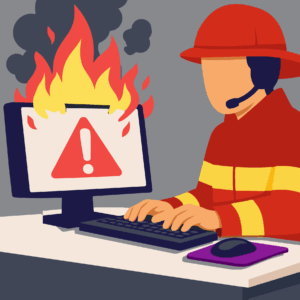
Cyber security drills you can run in your business
There are several simple drills that businesses of any size can run.
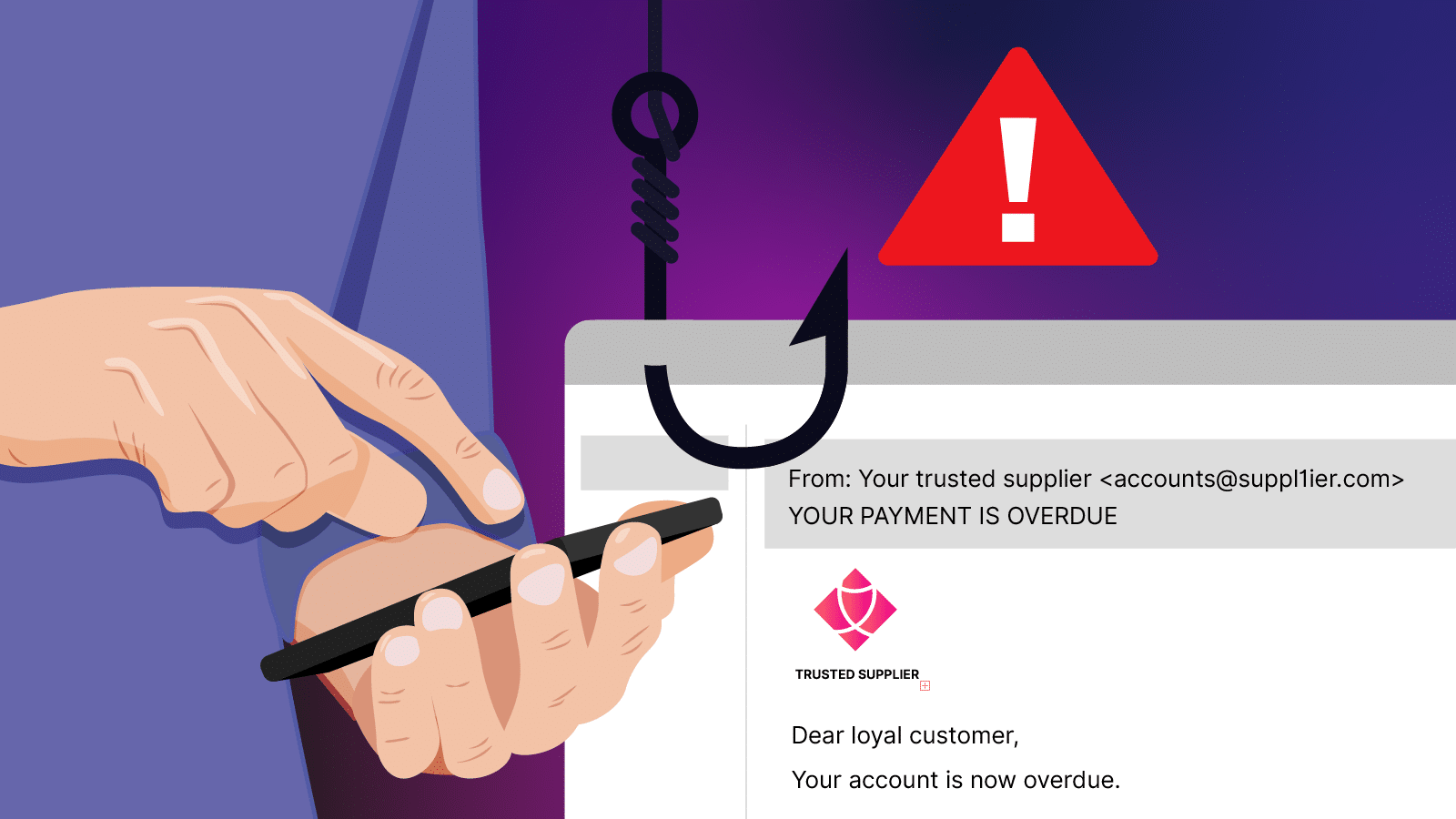
A phishing simulation involves sending a realistic fake phishing email to staff to see who clicks on it and, just as importantly, who reports it correctly. This helps reinforce awareness and reporting habits.
A ransomware scenario tests how your business would respond if key systems were suddenly locked. It’s a valuable exercise for both IT and leadership teams, highlighting decision-making under pressure.
A data breach discovery drill involves notifying your team of a simulated data breach and tracking how information flows internally and externally. This can uncover communication gaps before a real incident puts your reputation at risk.
Don’t wait for a real attack
You wouldn’t wait for a real fire to test your evacuation plan. The same thinking should apply to cyber security.
Spending time on a cyber security fire drill now could save your business days, weeks or even months of recovery later, along with significant financial and reputational damage.

Practice makes all the difference
When the alarm sounds, practice makes all the difference. Start your cyber security journey with the free Cyber Wardens courses.