If your computer has been feeling a little sluggish lately, it might not just be bad luck or an ageing device. You could be dealing with a hidden cyber threat called cryptojacking.
Key Takeaways:
- Cryptojacking hijacks your device’s processing power: Cyber criminals use your computer or phone to mine cryptocurrency without your knowledge or consent.
- Watch for subtle warning signs: Sluggish performance, overheating, high CPU usage, fast-draining batteries, loud fans, and unexpected electricity or cloud costs can indicate cryptojacking.
- Prevention is key: Staying informed, keeping software updated, and following cyber safety practices helps protect your devices, hardware, and productivity from hidden threats.
The basics
Cryptojacking is when a cyber criminal secretly installs software on your device to mine cryptocurrency, like Bitcoin or Monero, without your knowledge or consent.
They’re not trying to steal your files or personal data. Instead, they’re hijacking your device’s processing power to do the hard work of solving complex mathematical puzzles (the ‘mining’ process) that earns them crypto coins. In other words, they’re using your device to get rich.
How does cryptojacking happen?
One of the most common methods is in-browser mining. You visit a website or click on a pop-up ad that contains a hidden mining script. As soon as the page loads, it quietly begins chewing through your system’s resources.
You don’t see anything unusual on screen, but your device definitely feels it.

Signs you may be a victim of cryptojacking
Keep an eye out for:
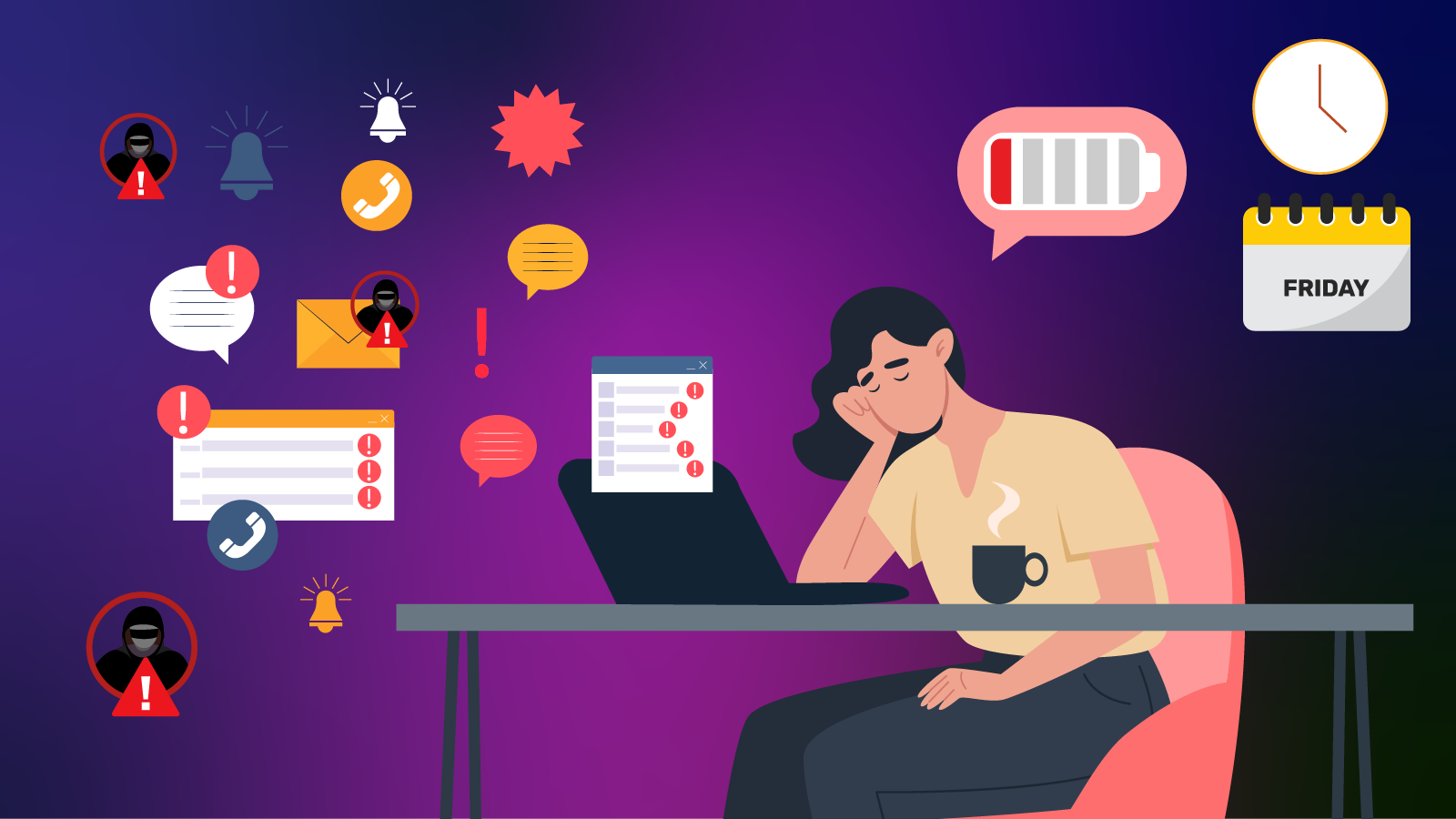
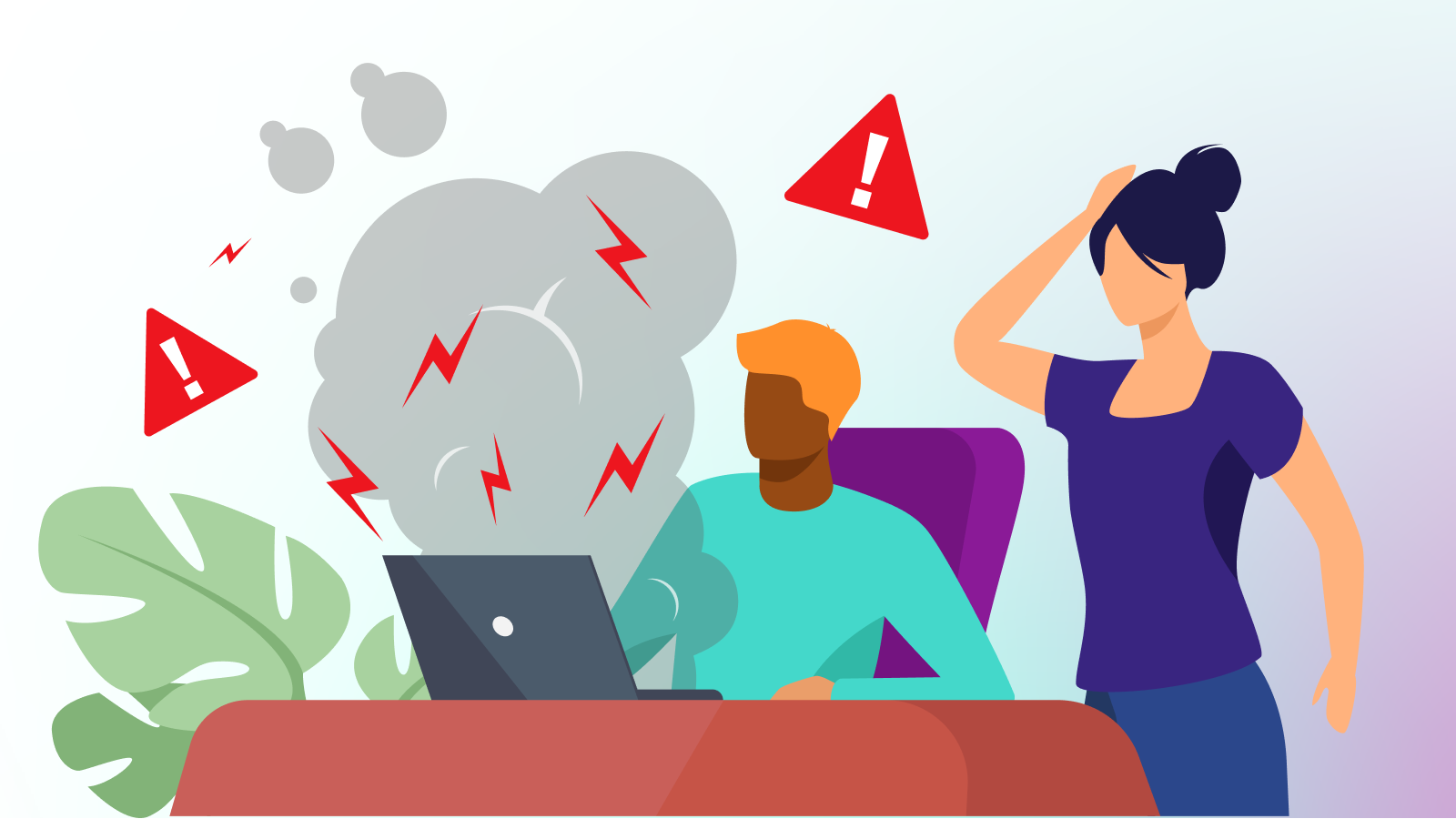
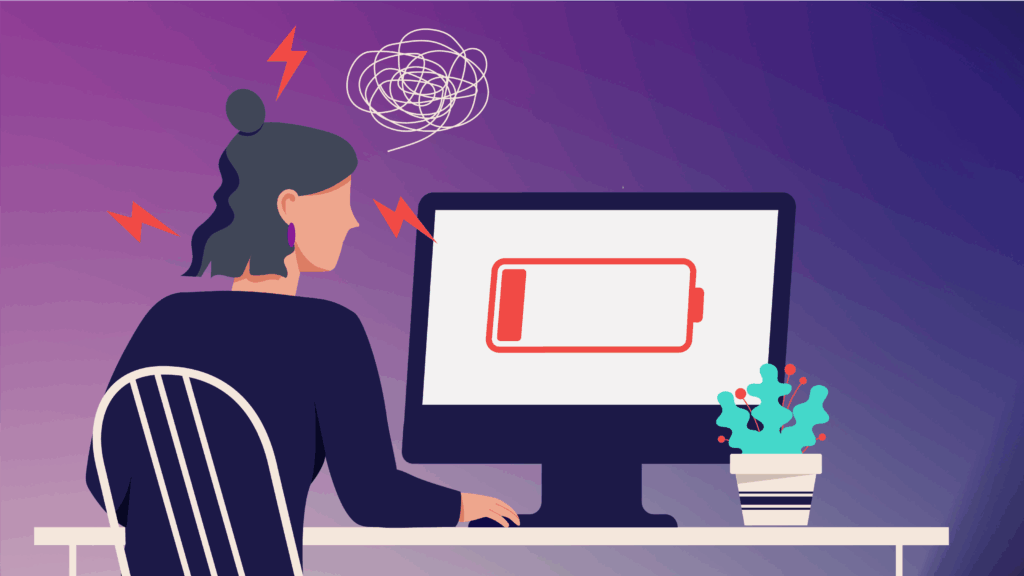
- Your computer suddenly feeling slow or overheating
- High CPU usage when nothing substantial is running
- Fast-draining battery on your laptop or phone
- A constantly whirring or loud fan, even when idle
- Higher-than-usual electricity bills or cloud computing charges
Seems like just a nuisance? Think again.
Cryptojacking often goes unnoticed because it doesn’t lock up your files or demand a ransom. But the impacts can still hit hard.
Constant overuse can damage your hardware, shorten device lifespan, waste energy, drive up operating costs and drag down productivity. And importantly, it could signal broader vulnerabilities in your network or security settings.

Stay cyber safe
Staying informed is your first line of defence. To learn how to better protect yourself and your workplace, explore our course catalogue and enrol in the Cyber Wardens training program.