Australia’s new social media ‘ban’ for under-16s will come into effect on December 10 — but experts warn the move may bring unintended consequences.
Key Takeaways:
- Scammers are likely to exploit confusion around Australia’s new under-16 social media laws by sending fake age-verification messages.
- Anyone can be targeted - not just young people - with phishing attempts designed to steal personal documents and sensitive information.
- Stay alert and verify requests directly with the platform or trusted sources like the eSafety Commissioner and Scamwatch before clicking links or sharing details.
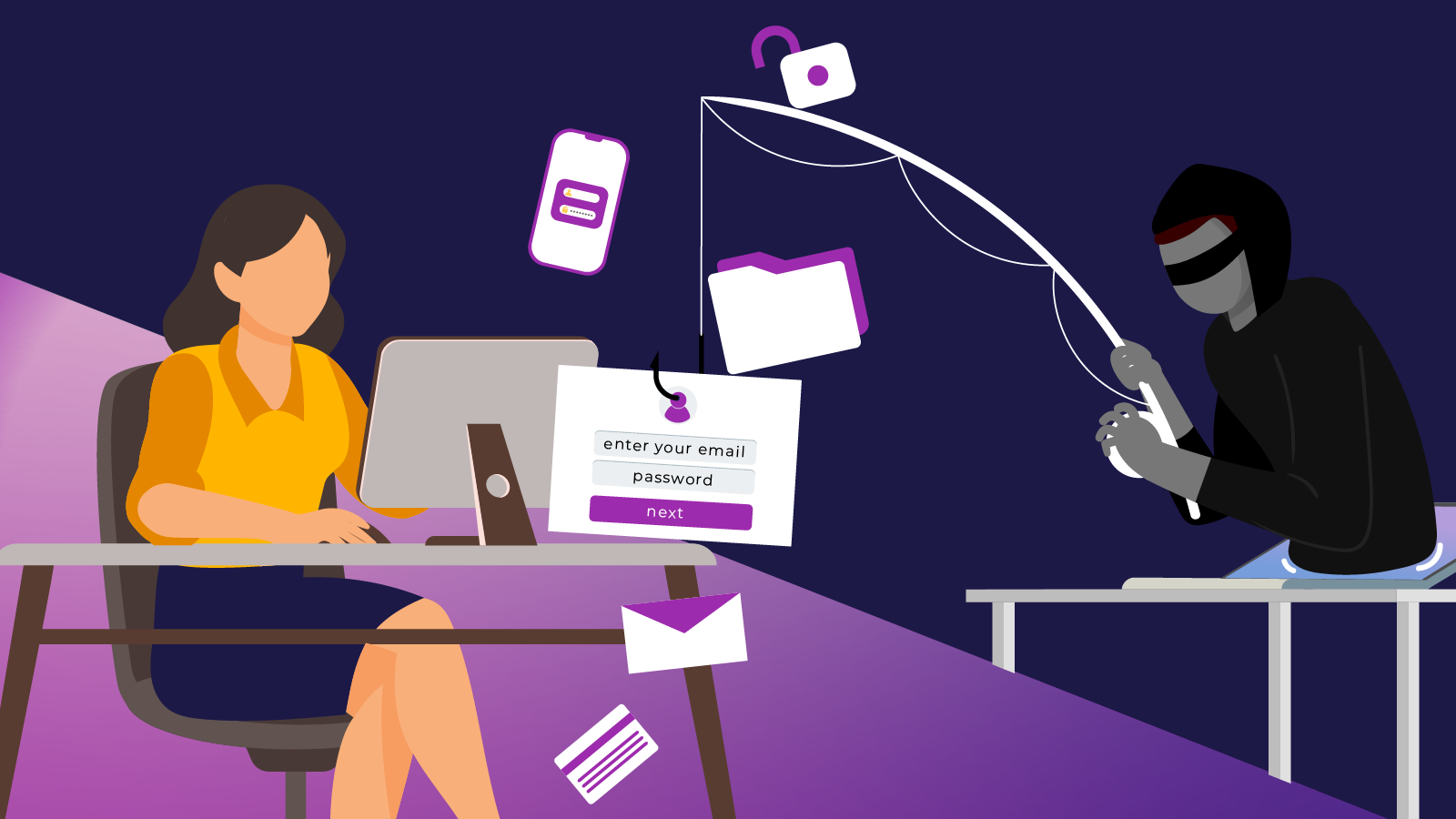
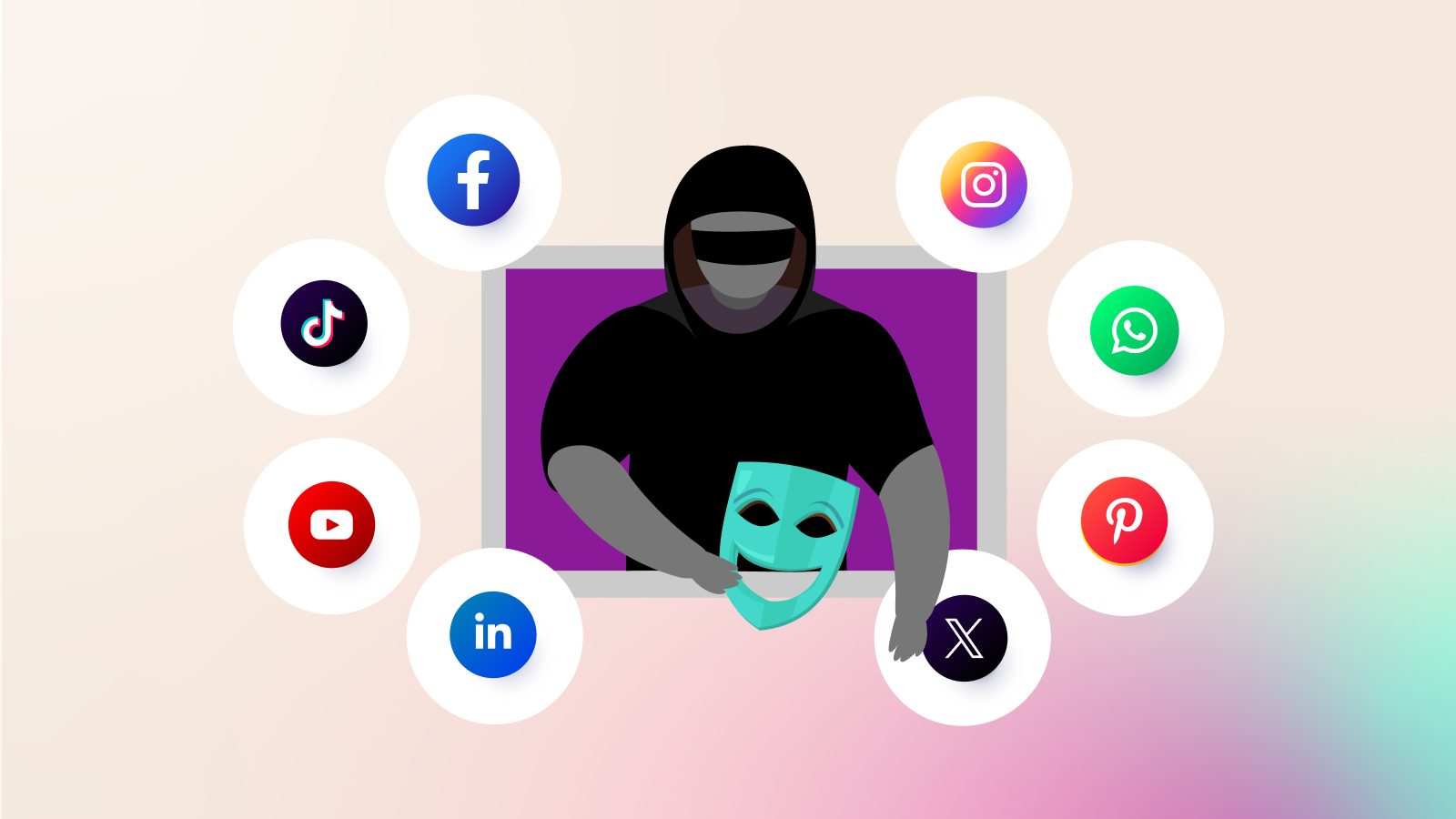
The world-first laws have sparked concerns among cyber safety specialists that the changes could create new opportunities for criminals to launch age-verification phishing scams, putting all Australians at risk.
Whenever major digital rules shift, cyber criminals take advantage of public confusion — and this transition is no exception.
Why everyone needs to stay alert
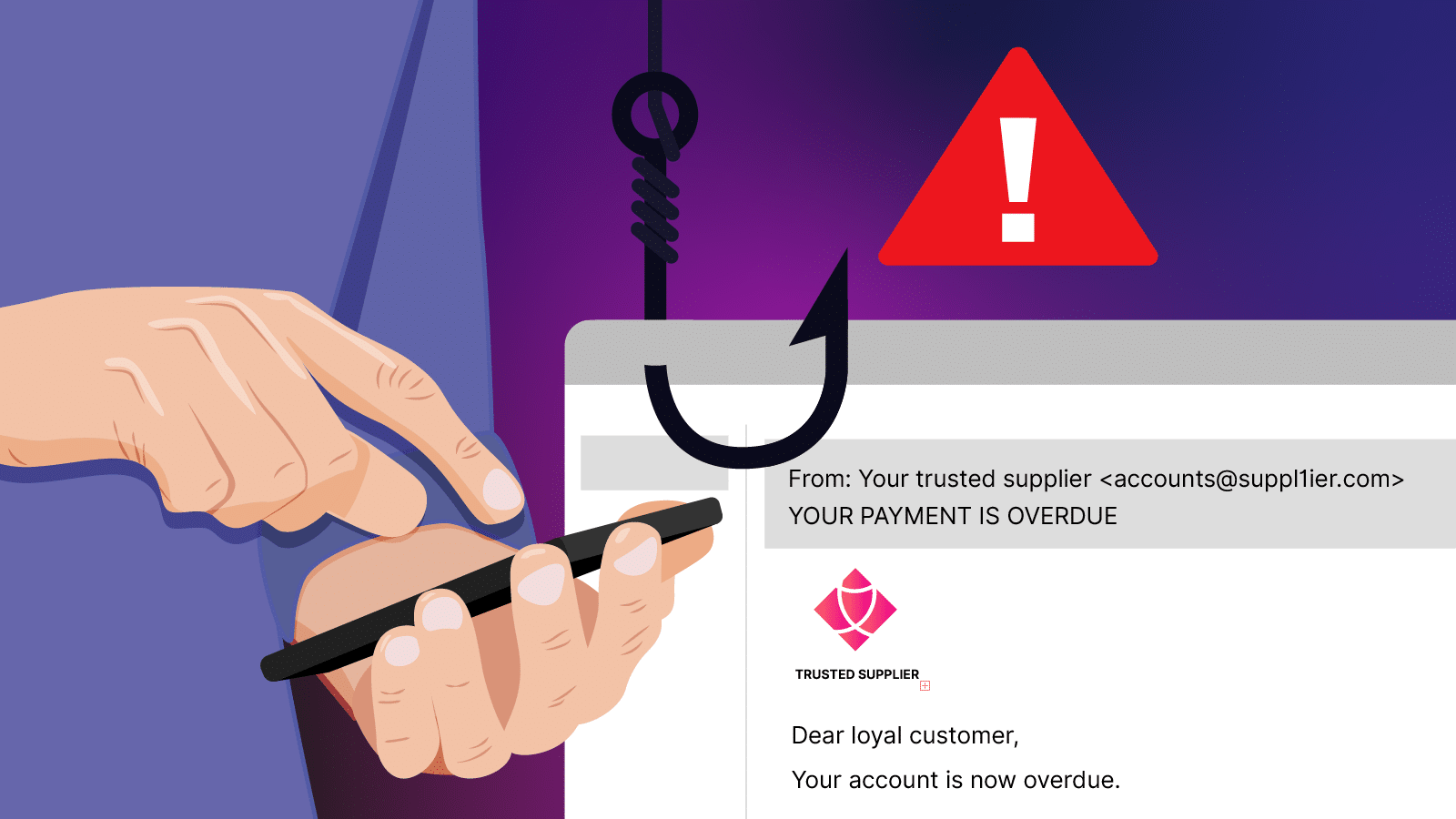
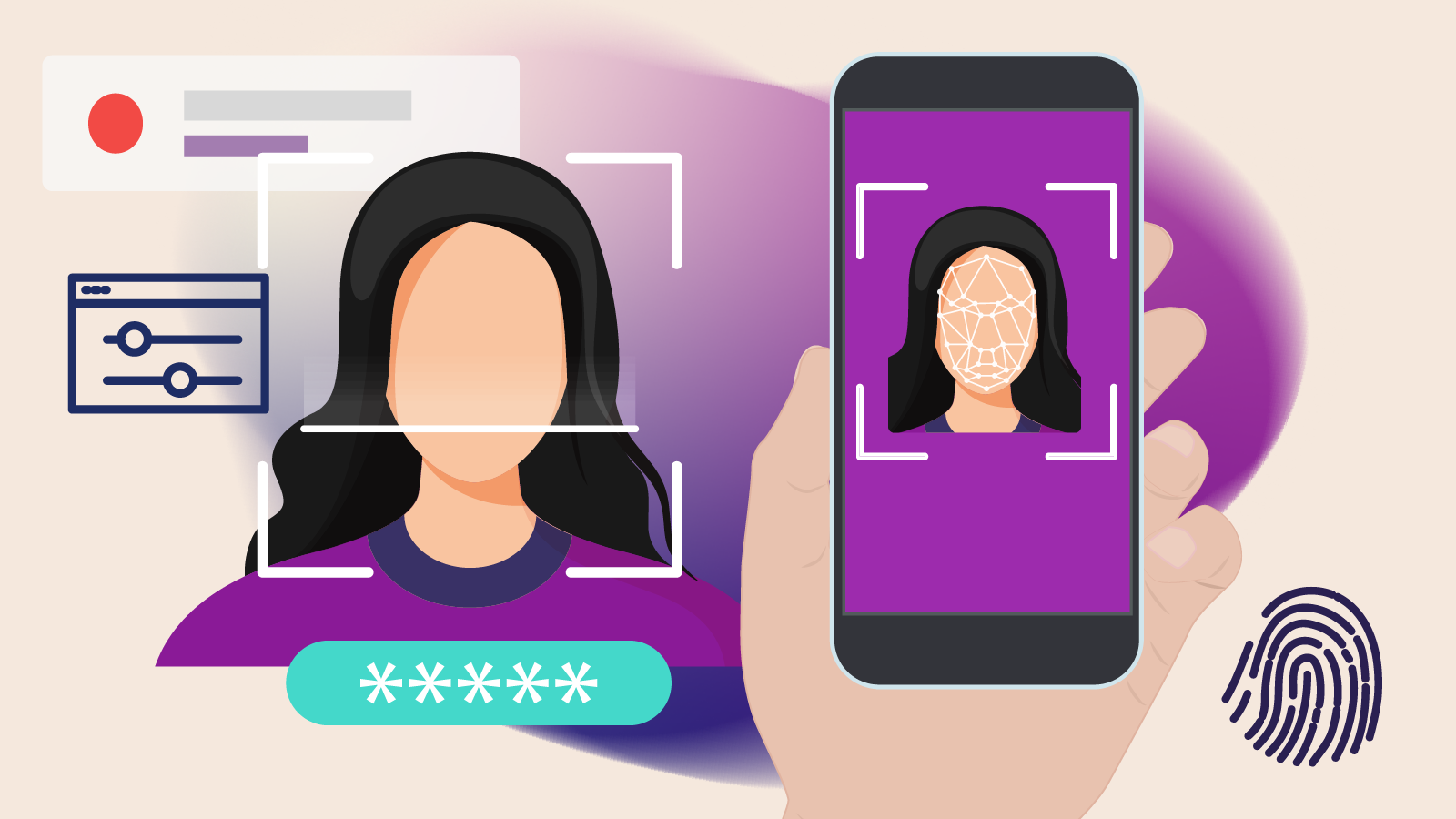
Experts fear scammers may mimic official age-confirmation requests to harvest personal information, at a time when social media platforms will be rolling out new verification methods.
Associate Professor Hassan Asghar, a senior lecturer in Computer Science at Macquarie University, said it was not just young people and their parents who were vulnerable to scams related to the new rules.
Dr Asghar told the Mamamia podcast The Quicky that the law changes gave scammers a “new opportunity” to ask people for information, which in this case could be documents that could verify someone’s age, such as a driver’s licence, proof of age card or passport.
“One thing we need to be clear (about) is that at this moment, it’s speculation that this may happen… but it could happen to anyone at any age, because we could imagine a message coming to us saying: ‘Hey, we could not verify your age. You need to upload these documents to be able to confirm that your age is correct’.”
How could scammers strike?
The eSafety Commissioner has urged Australians to be on alert for fake requests related to the new laws in an FAQ on its website.
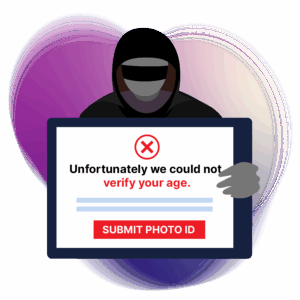
The warning says the attempts could come in various forms such as:
- impersonation scams
- buying and selling scams
- or ‘Hi mum-style’ scams
“They are likely to create a sense of urgency, threatening to delete your account if you don’t act quickly,” the website says.
“Different social media platforms are using different methods to check age, so it’s important to trust only the information that each platform provides.”
Experts say they might pose as:
- Social media platforms
- Third-party age-verification services
- Government departments
- Law enforcement including police
It says that the different platforms should let you know “which age-check steps their account holders have to take; the information their account holders have to give; whether the platform is using another company to do its checks”.

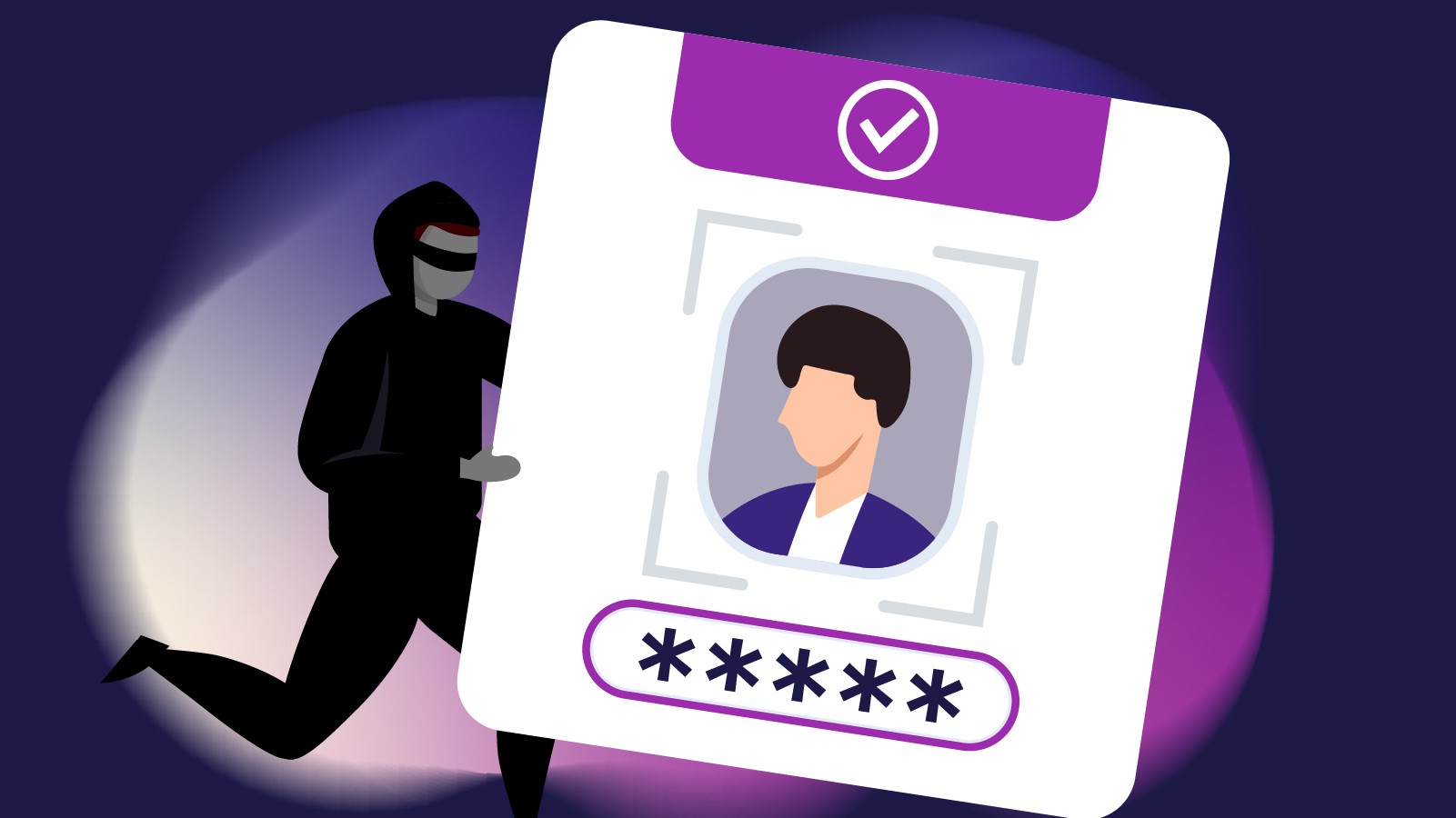
The ABC online says the ultimate goal of scammers is to “trick people into clicking malicious links or handing over sensitive information, allowing scammers to commit identity theft”.
What is the social media ban?
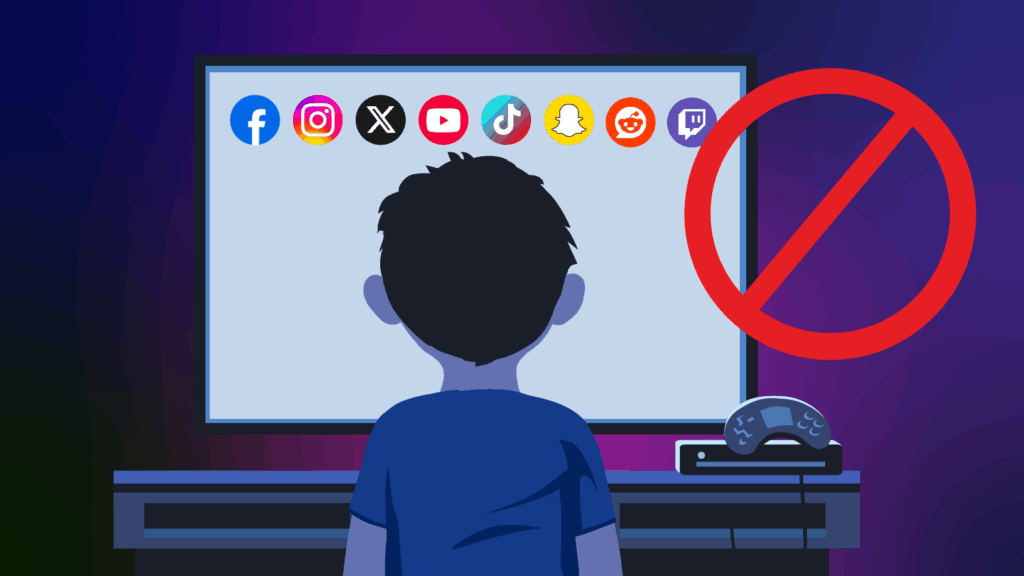
From Wednesday 10 December, major social media platforms including Instagram, TikTok, Snapchat, Facebook, X and YouTube will be required by law to prevent under-16s from holding accounts under the new Online Safety Amendment (Social Media Minimum Age) Act 2024.
Platforms must take “reasonable steps” to verify users’ ages or risk fines of up to $50 million.
The eSafety Commissioner’s website says the aim is to “protect young people from design features that encourage them to spend too much time on screens and show them content that can be harmful to their health and wellbeing”.
But technically, it’s not a complete ‘ban’ despite the widespread use of the term.
For example, young people can still browse most platforms without logging in. They just won’t be able to hold an account under the new laws, the ABC explains.
Tips for staying safe
- Have open conversations. Now’s the time to talk within your family and small business about how scams can be dressed up as “helpful” compliance steps, often exploiting panic or fear of being cut off.
- Phishing awareness. Understand the red flags of phishing emails and messages. Check URLs carefully, never upload sensitive documents through strange links, and ask questions when something feels off.
- Visit the eSafety Commissioner’s website for resources and information on the age restrictions
- Find up to date information on scams and how to protect yourself at the Australian Government’s Scamwatch website.
- Visit cyberwardens.com.au for helpful resources on the latest scams, and a suite of free courses for small business owners and their teams.