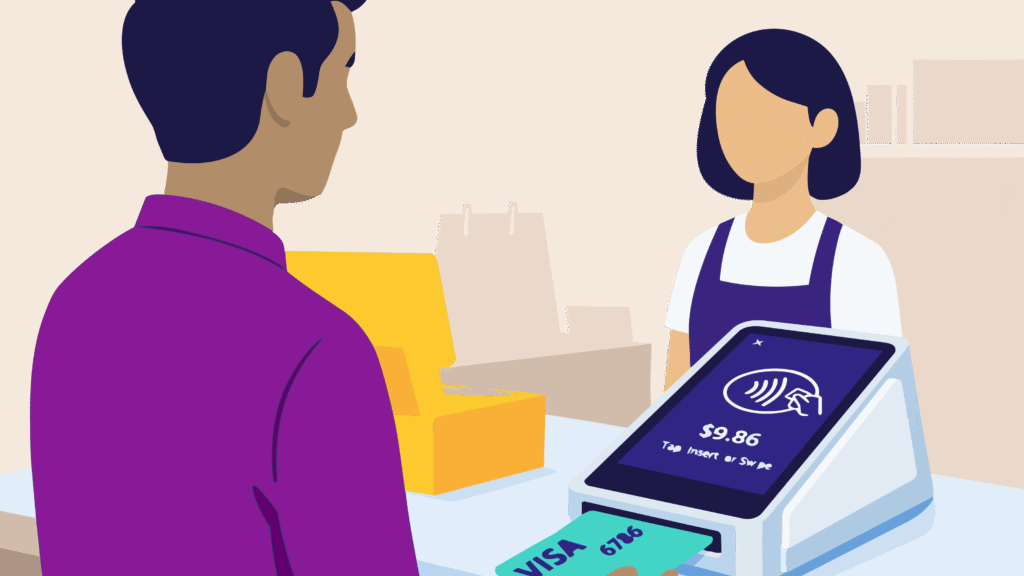
If you’re a small retailer, your point of sale (POS) system sits at the heart of daily operations. It processes payments, tracks stock and stores customer information. However, that central role also makes it a prime target for cyber criminals.
Key Takeaways:
- POS systems are high-value targets: They handle payments and customer data, making them attractive to cyber criminals.
- Strong controls reduce risk: Encryption, regular updates, limited access and monitoring can prevent many common attacks.
- People and processes matter: Staff training, secure networks and compliant providers are just as important as the technology itself.
Use encrypted payment solutions
Choose a POS system that uses end-to-end encryption (E2EE) so card data is protected from the moment it’s entered through to processing. Make sure your provider meets Payment Card Industry Data Security Standard (PCI DSS) requirements.
Encryption helps ensure that even if data is intercepted, it can’t be read or misused.
Keep software up to date
Software updates don’t just add new features, they fix known security weaknesses.
- Regularly check for POS system updates
- Apply patches as soon as they’re available
- Update connected devices, such as tablets and terminals
Delaying updates can leave your system exposed to threats that are already well known to attackers.
Limit access and enable MFA
Not every staff member needs full system access.
- Use role-based access controls so staff only see what they need
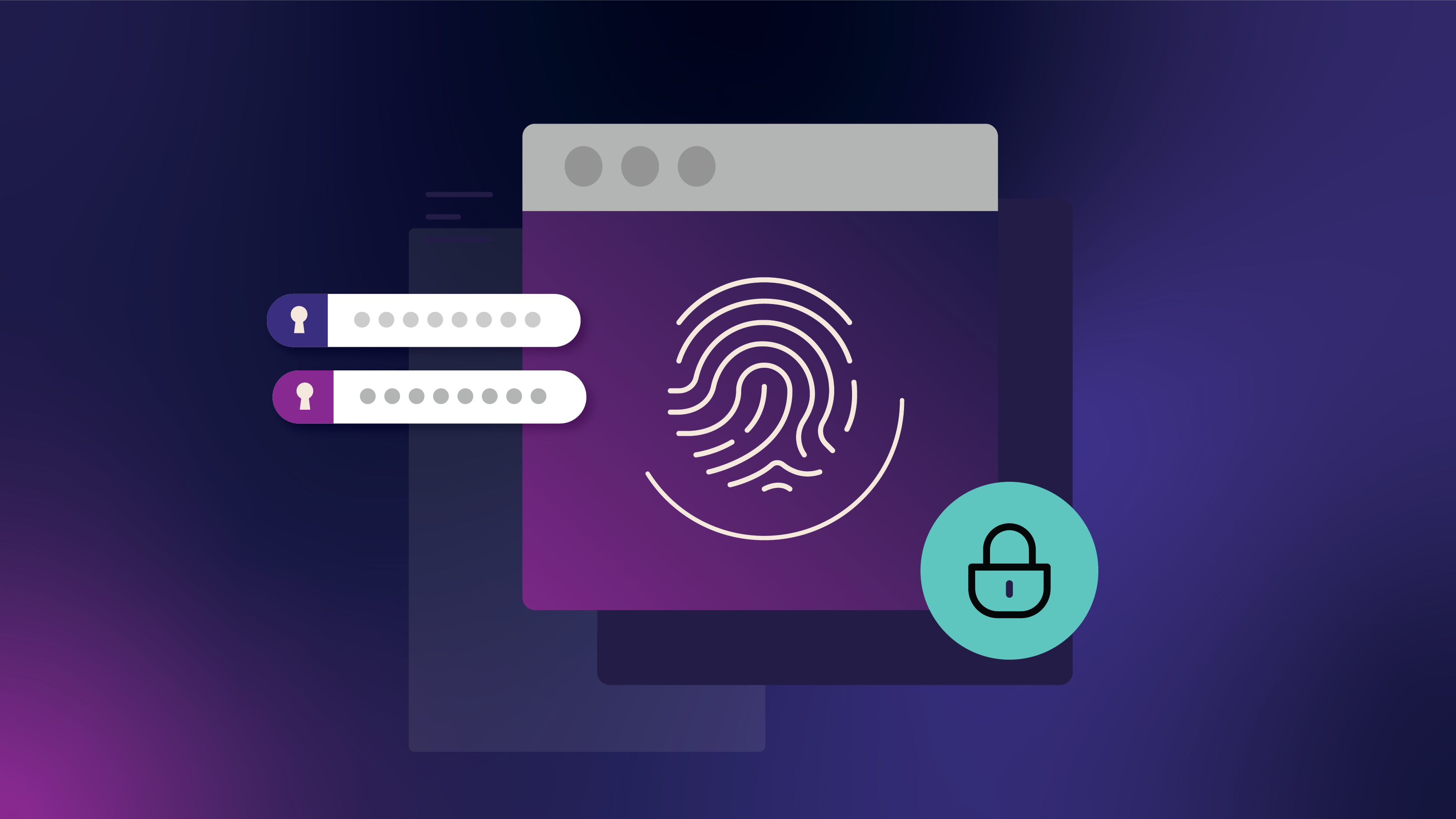
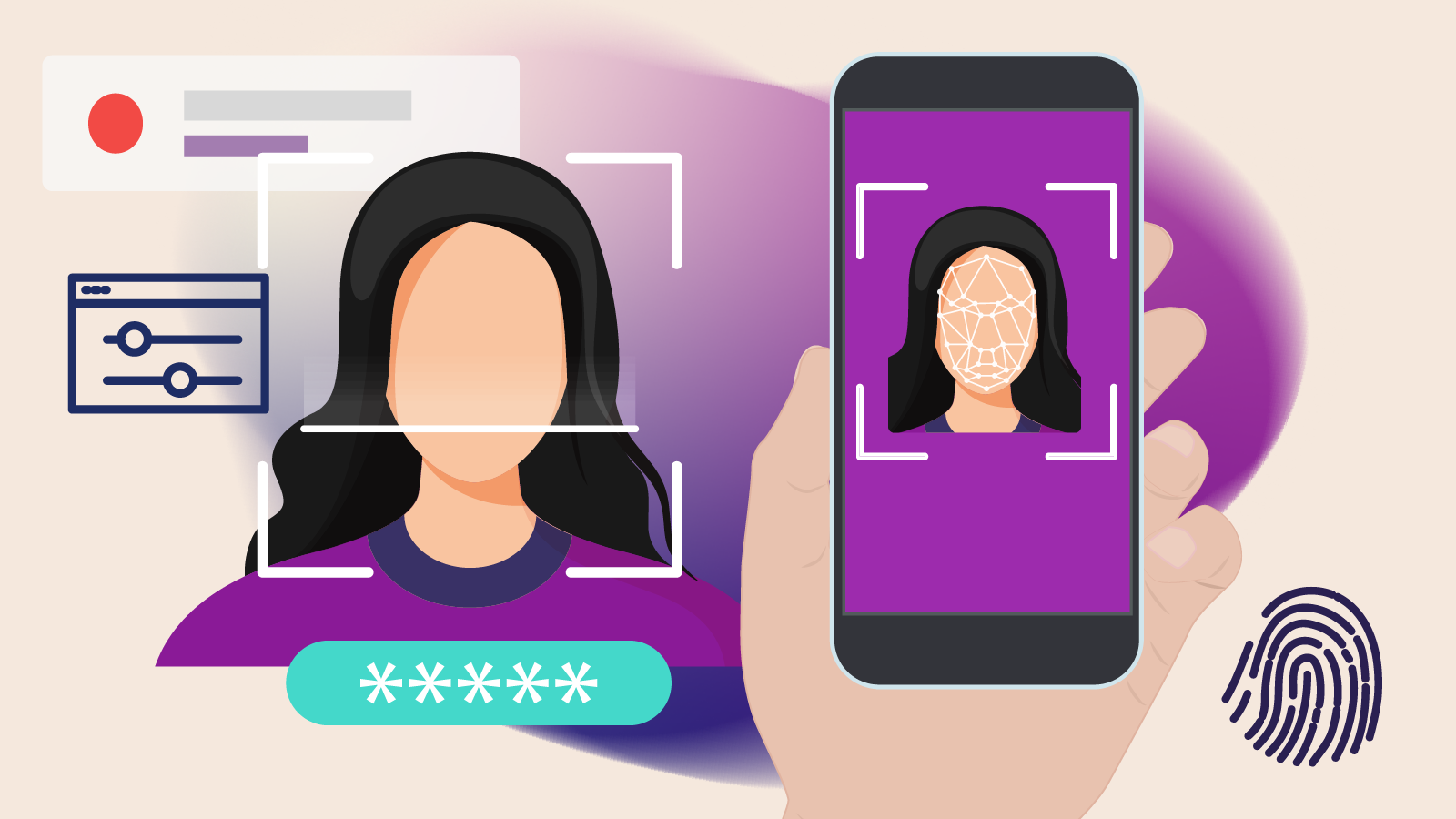
- Enable multi-factor authentication (MFA) wherever possible
- Remove access promptly when staff leave
These steps reduce the risk of both accidental misuse and malicious activity.
Monitor for suspicious activity
Regularly review transactions and system activity for warning signs such as:
- Substantial transactions
- Repeated failed login attempts
- Activity outside regular business hours
Early detection can prevent fraud from escalating into a serious incident.
Secure your network
Your POS system should only operate on a secure, private network.
- Use strong Wi-Fi encryption (such as WPA3).
- Consider a VPN for added protection.
- Never process transactions over public Wi-Fi.
An unsecured network can provide an easy entry point for attackers.
Train your staff
Human error is the cause of 95% of cyber attacks.
Train staff to:
- Use strong, unique passwords
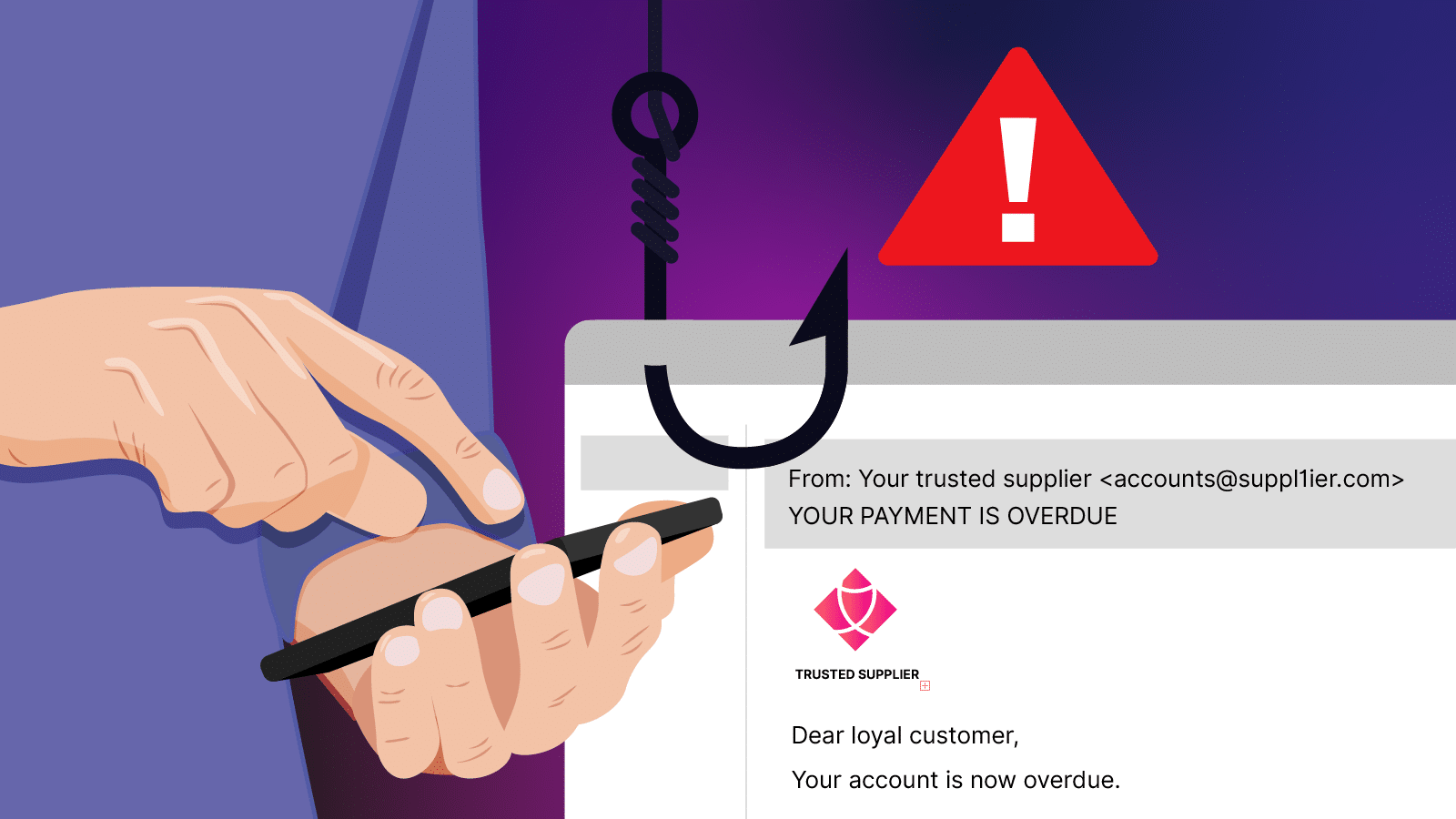
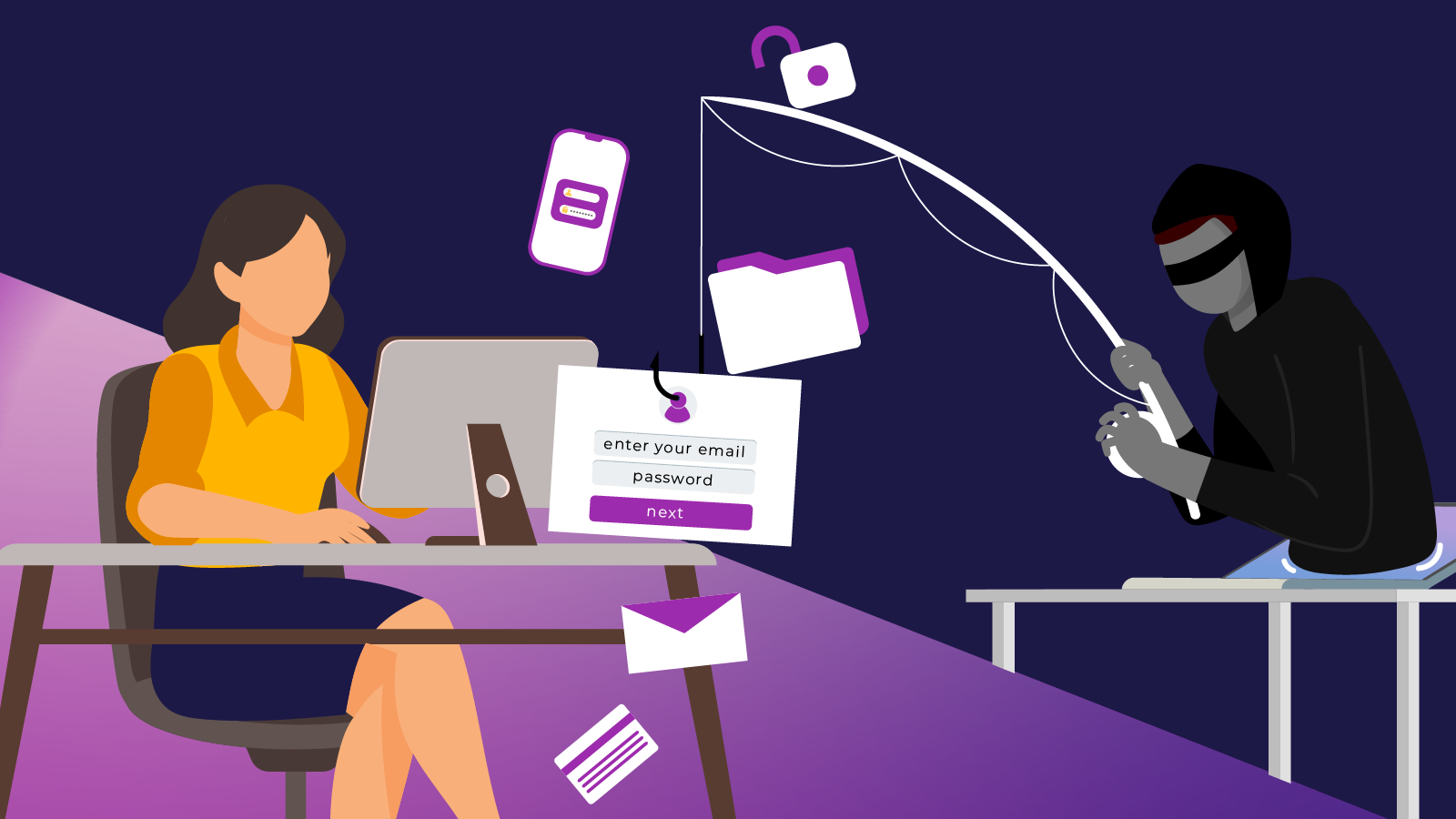
Never share login details - Recognise phishing emails and suspicious behaviour
- Spot potential card-skimming devices
A cyber-aware team is your strongest defence.
Back up your data regularly
Secure, frequent backups of POS data, including sales records and customer information, can help your business recover quickly after a cyber incident or system failure.
Store backups securely and test them regularly.
Review third-party integrations
POS systems often connect to loyalty programs, accounting tools or inventory software.
- Review third-party apps regularly
- Remove any you no longer use
- Limit the data each integration can access
Every connection is a potential risk if not properly managed.
Protect your business and your customers
Investing in POS security helps prevent data breaches, protects customer trust and keeps your business running smoothly. Staying proactive today can save you significant time, money and stress tomorrow.
To learn more about protecting your business from cyber threats, explore our course catalogue and enrol in the free Cyber Wardens training program.