
Generative artificial intelligence (GenAI) isn’t just powering futuristic tools or tech demos, it’s also quietly weaving itself into everyday activities. From how we meet people, to how businesses answer phones, to how content is created and competitions are run, GenAI is changing the way we interact online. Some uses are obvious. Others might surprise you.
Key Takeaways:
- Generative AI is already part of everyday life: From dating apps to podcasts and customer service, AI is being used in more places than many people realise.
- Convenience can come with hidden risks: Sharing personal information with AI tools can expose data if you’re not careful.
- Understanding how AI is used helps you stay safer: Knowing where GenAI shows up makes it easier to spot misuse, scams and red flags.
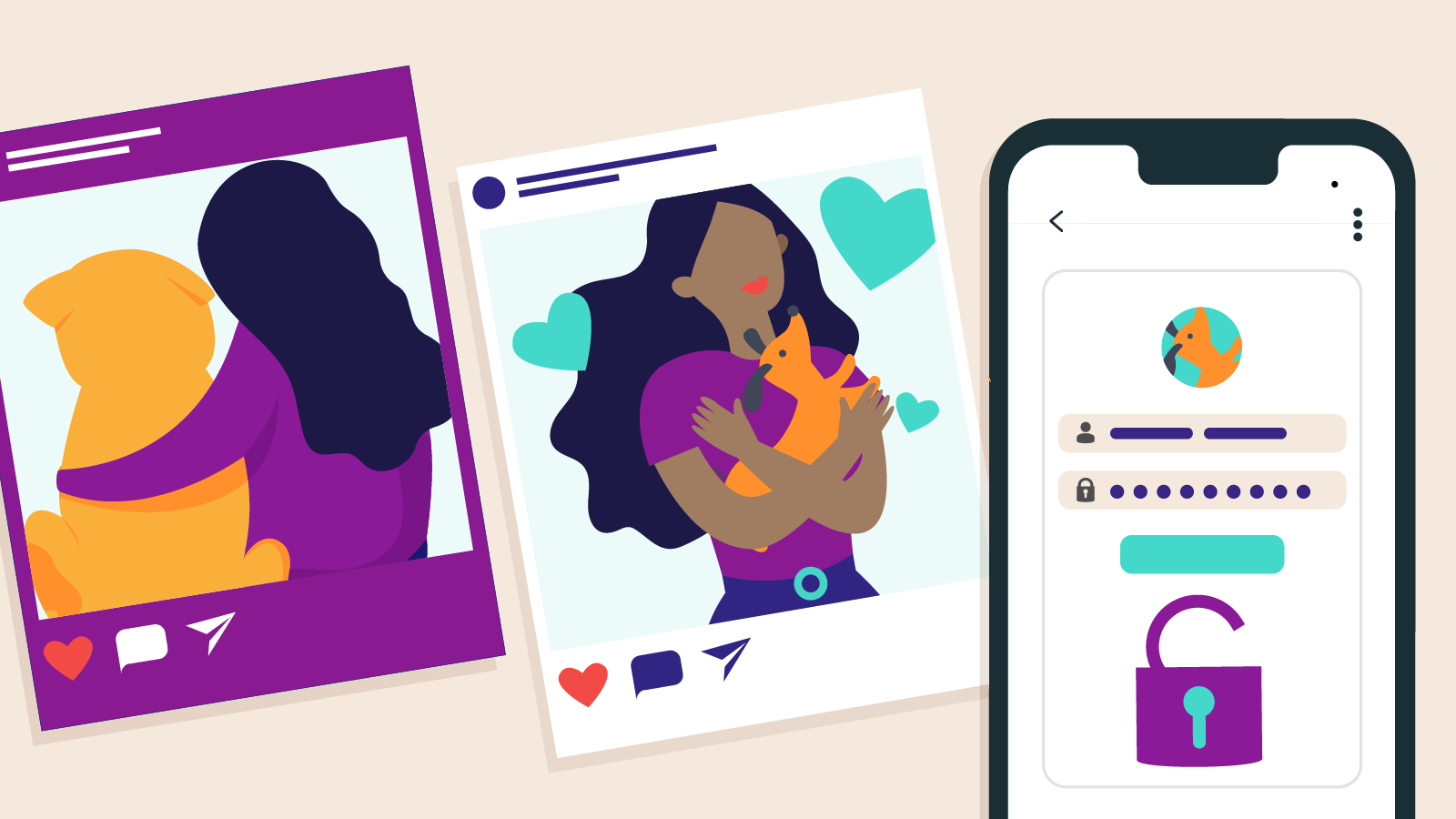
Swiping right: AI in dating apps
Many dating platforms now use AI behind the scenes to:
- Match users based on preferences and behaviour
- Suggest profiles you’re more likely to engage with
- Flag fake accounts or suspicious behaviour
Some users are even turning to GenAI to help write messages or polish dating profiles. While that might boost confidence, it’s worth remembering that over-polished or unusually fast-moving conversations can also be a red flag for romance scams.
Virtual receptionists and customer service
Businesses are increasingly using AI-powered chatbots and virtual receptionists to answer calls, book appointments and respond to customer enquiries, often 24/7.
These tools can:
- Handle common questions quickly
- Reduce wait times
- Free up staff for more complex tasks
But they also rely on access to customer data. That makes strong security controls, limited data collection and clear privacy settings essential.
Footy tipping and predictions
From office tipping comps to online sports platforms, GenAI is being used to:
- Analyse player stats and team performance
- Generate predictions and insights
- Create automated summaries and commentary
While it can make tipping more competitive (or controversial), it’s a reminder that AI systems often rely on large datasets, and not all platforms are equally transparent about how data is collected or used.
Creating podcasts, videos and content
GenAI is transforming content creation. Today, AI can:
- Draft podcast scripts and show notes
- Generate voiceovers or synthetic voices
- Edit audio, video and written content
For small businesses and creators, this can be a huge time-saver. But it also raises questions about copyright, consent and impersonation, particularly when voices or likenesses are cloned without permission.
Where the risks come in
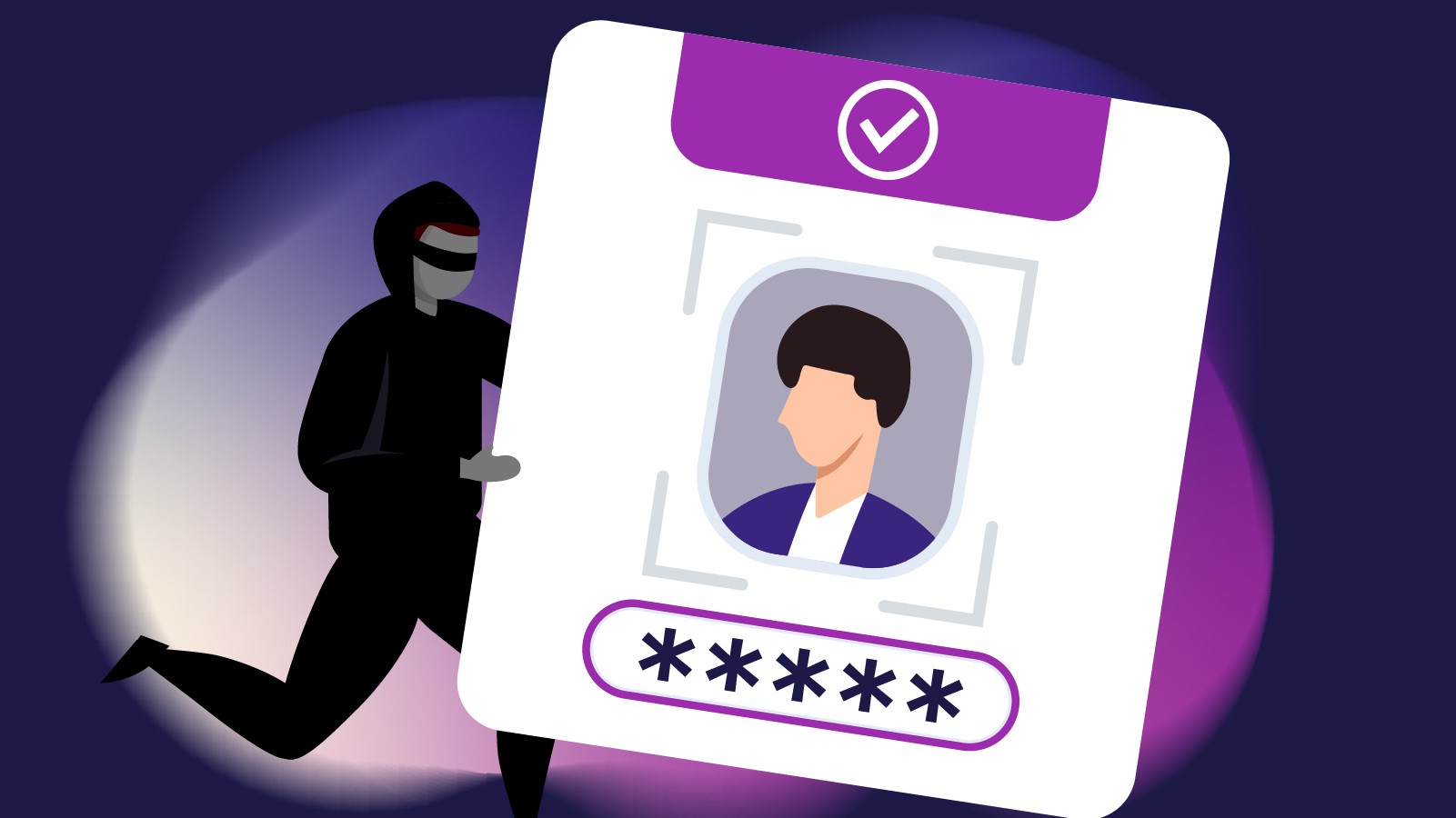
As GenAI becomes more common, cyber criminals are taking notice.
AI-generated content can be used to create convincing phishing emails and messages, impersonate real people or businesses, and scale scams faster than ever before.
The more familiar AI feels, the easier it can be to trust something that shouldn’t be trusted.
Staying safe in an AI-powered world
You don’t need to avoid GenAI, but you do need to use it wisely. Here are some tips to stay safe in an AI-powered world:
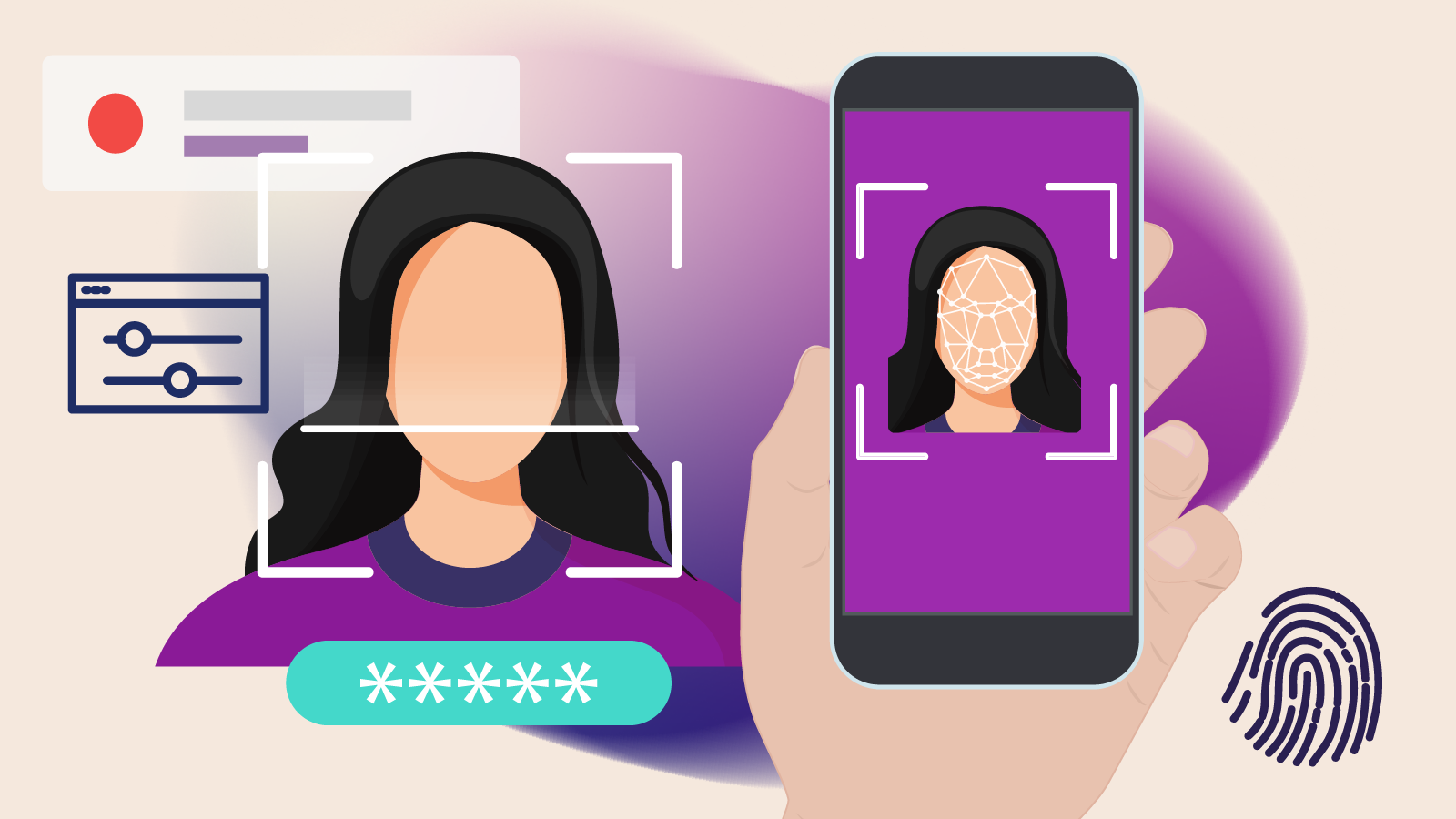
Be cautious about what personal information you share
Check privacy settings and data usage policies
Be alert to interactions that feel rushed, polished or unusual
Verify requests for money, access or information through another channel
Complete the Cyber Wardens Safe AI for Small Business course

Awareness is your best defence
Generative AI is reshaping how we connect, work and create, often in helpful and innovative ways. But understanding where it’s being used, and how it can be misused, is key to staying cyber safe.
To learn more about navigating new technologies safely and spotting scam tactics early, explore our course catalogue and enrol in the free Cyber Wardens training program.