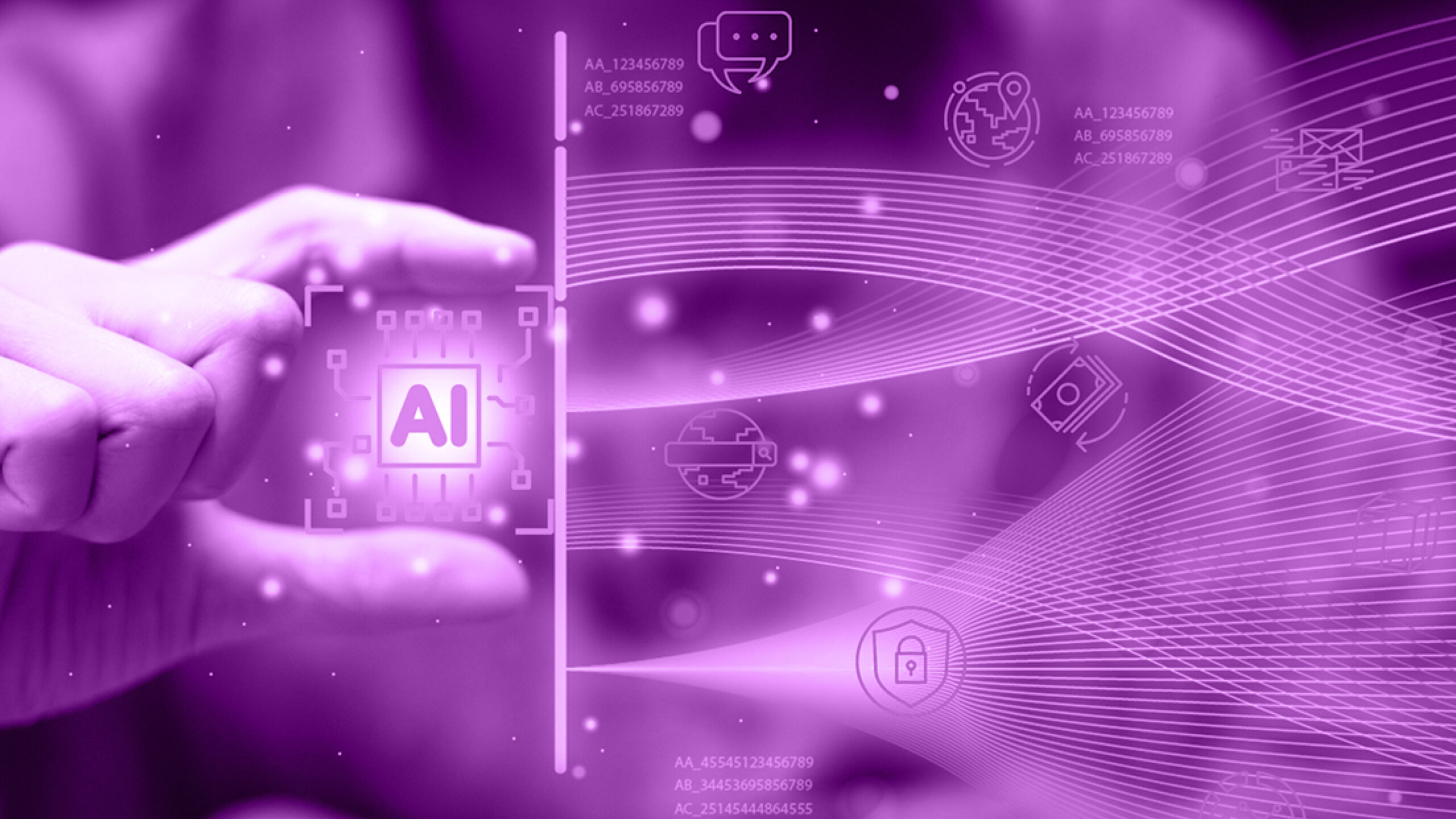
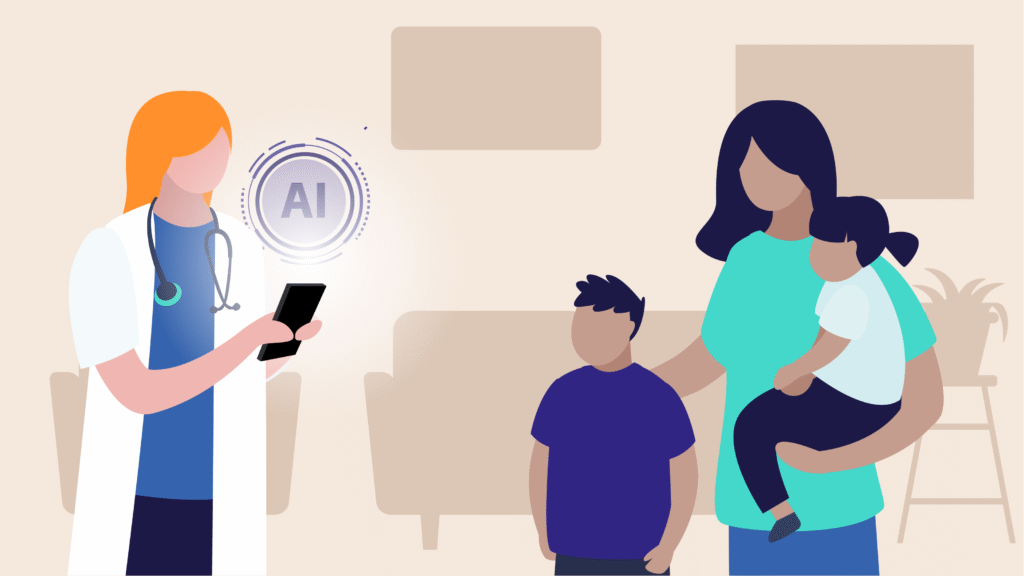
Artificial intelligence (AI) is playing a growing role in healthcare. From helping doctors spot diseases earlier to reducing paperwork and improving patient experiences, AI has the potential to improve care across the system.
Key Takeaways:
- AI is transforming healthcare delivery: From diagnostics to administration, AI is helping health professionals work faster and more accurately.
- Health data is highly sensitive: Strong privacy, security and governance are essential when AI is involved.
- Technology supports care, but doesn’t replace people: Human oversight and informed patients remain critical.
How AI is being used in healthcare
Healthcare data is some of the most sensitive information there is, and 1 in 5 data breaches come from the healthcare industry alone, making healthcare the most targeted sector by cyber criminals. Using AI safely means balancing innovation with strong privacy and security protections.
AI is already supporting healthcare professionals in a range of ways, including:
- Analysing medical images to help detect conditions earlier
- Supporting diagnosis and treatment planning
- Automating administrative tasks like scheduling and note-taking
- Predicting patient demand to improve staffing and resources
When used responsibly, these tools can free up time for practitioners to focus on patient care.
Why health data needs extra protection
Health information isn’t just valuable, it’s deeply personal. If compromised, it can cause long-term harm to individuals and organisations.
AI systems often rely on large datasets, which means:
- Strong access controls are essential
- Data must be stored and transmitted securely
- Clear limits are needed on how data is used and shared
In Australia, healthcare organisations must also comply with privacy laws that govern the handling of personal and health information.
Keeping humans in the loop
AI can assist with analysis and recommendations, but it shouldn’t make critical healthcare decisions on its own.
Healthcare professionals must understand how AI tools work, recognise their limitations and review AI outputs before acting on them. It is also critical that they remain alert to errors, bias or incomplete information at all times. A healthy (no pun intended!) dose of skepticism goes a long way in preventing costly mistakes.
Human judgement remains central to safe, ethical care.
Cyber risks in healthcare settings
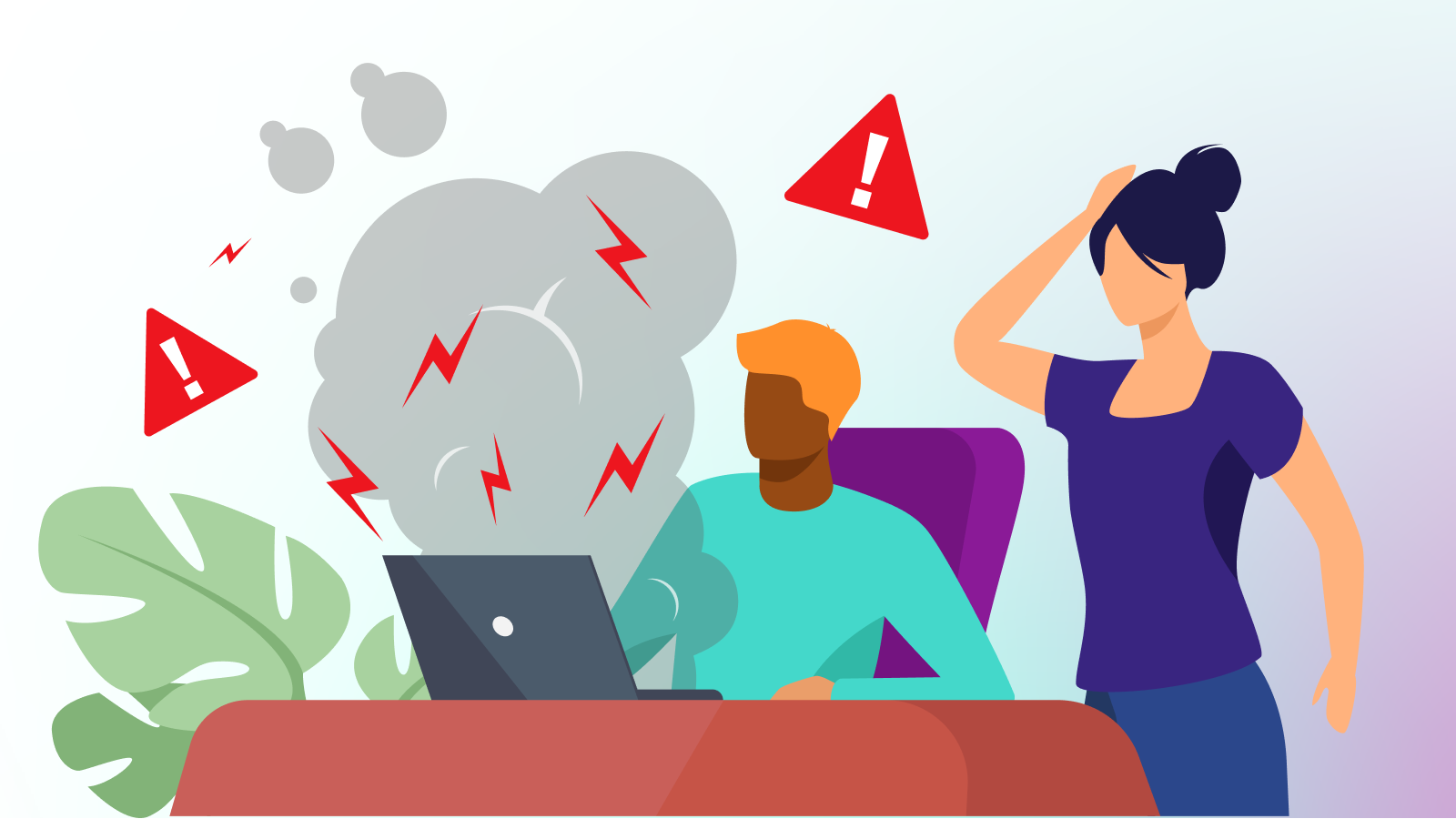
As healthcare becomes more digital, it also becomes a target for cyber criminals. AI doesn’t remove this risk. In some cases, it can even introduce new ones.
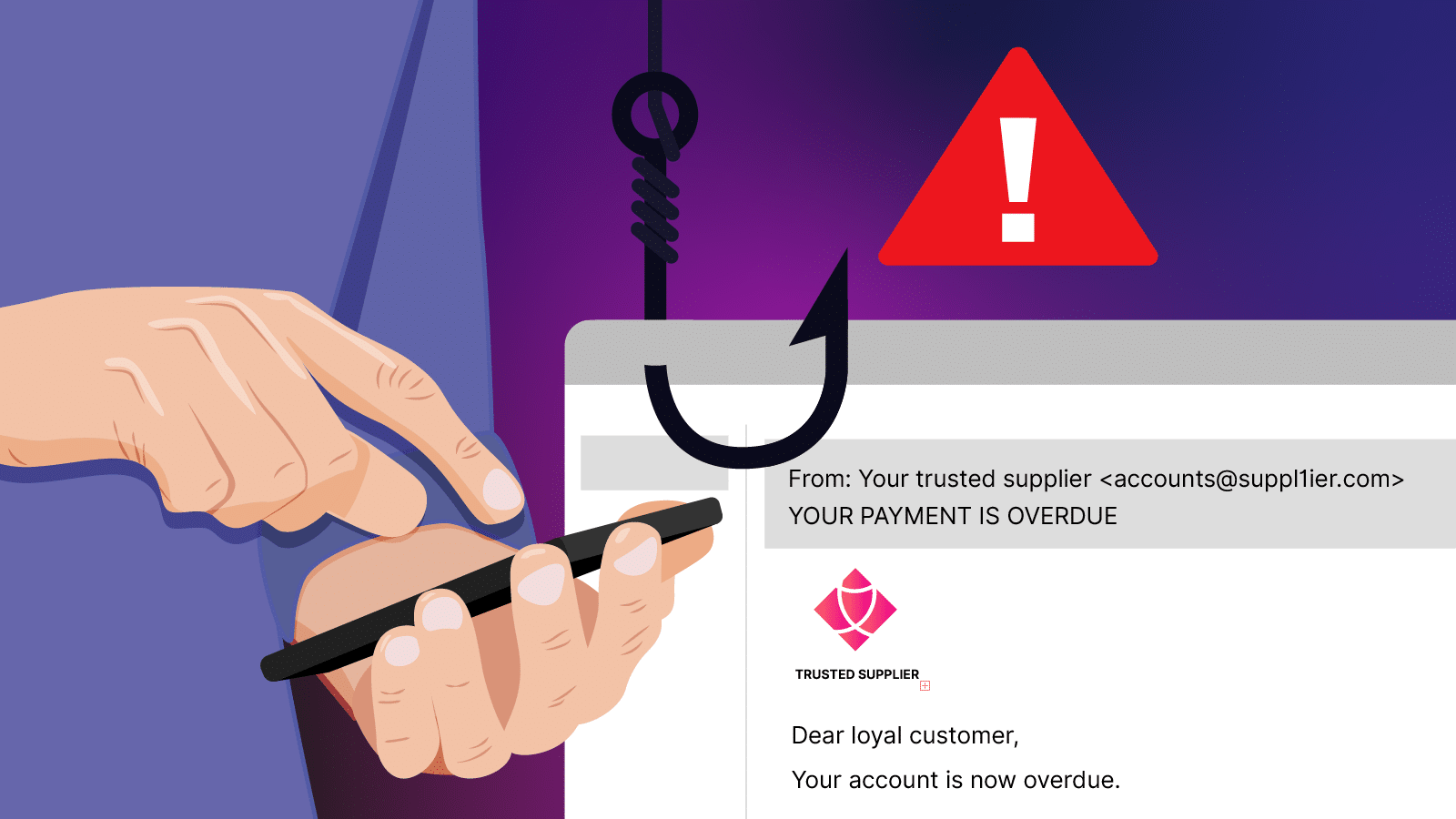
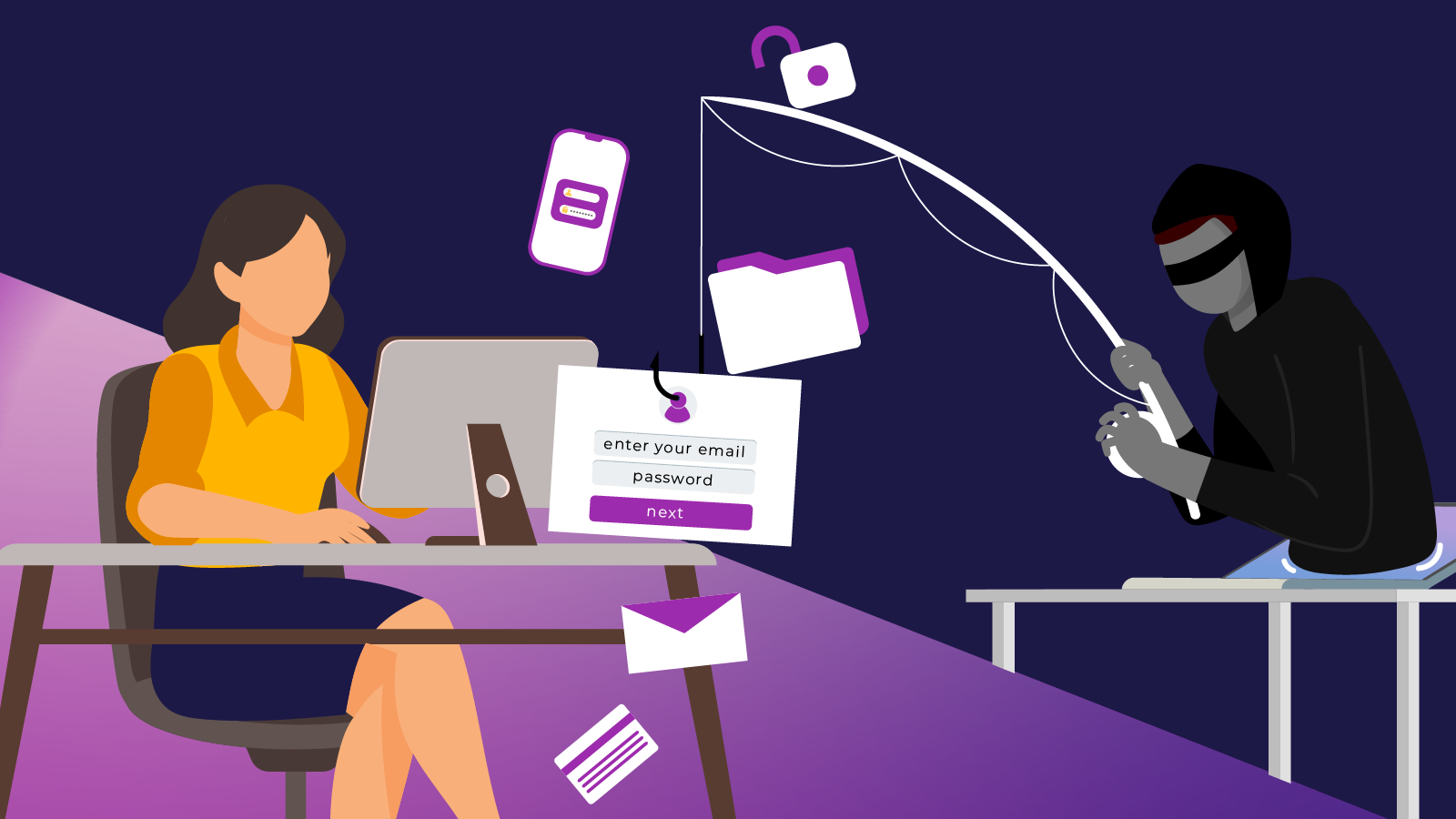
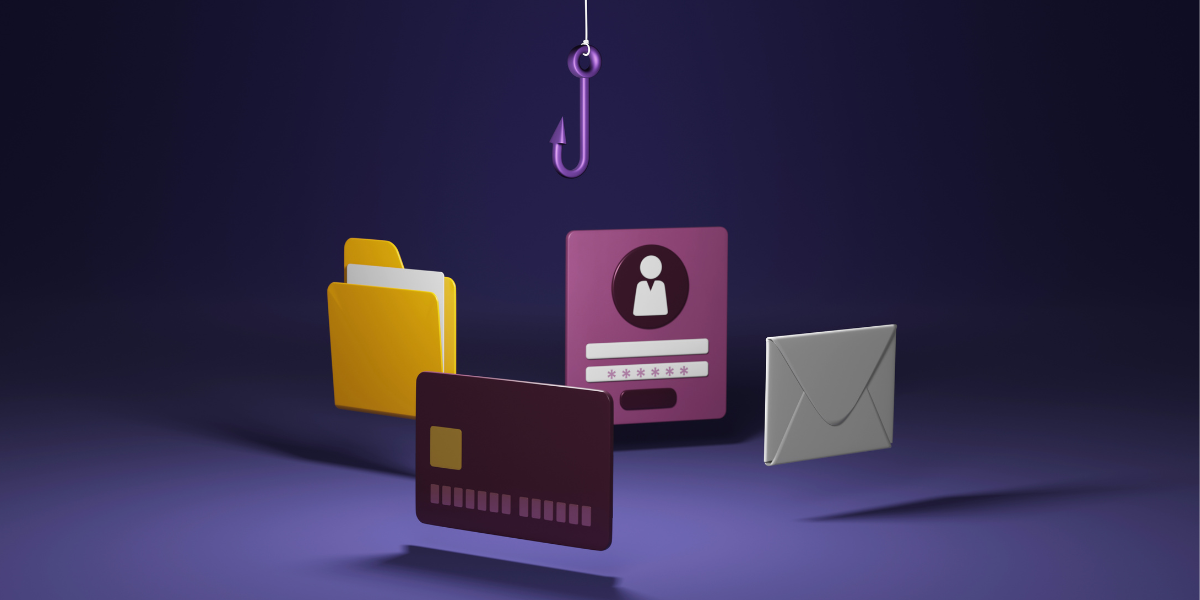
AI risks in the healthcare industry can include unauthorised access to patient records, ransomware attacks disrupting services and AI-generated phishing targeting healthcare staff.
Strong cyber hygiene and staff awareness are essential defences.
What patients and organisations can do
Whether you work in healthcare or interact with it as a patient, there are practical steps that help reduce risk:
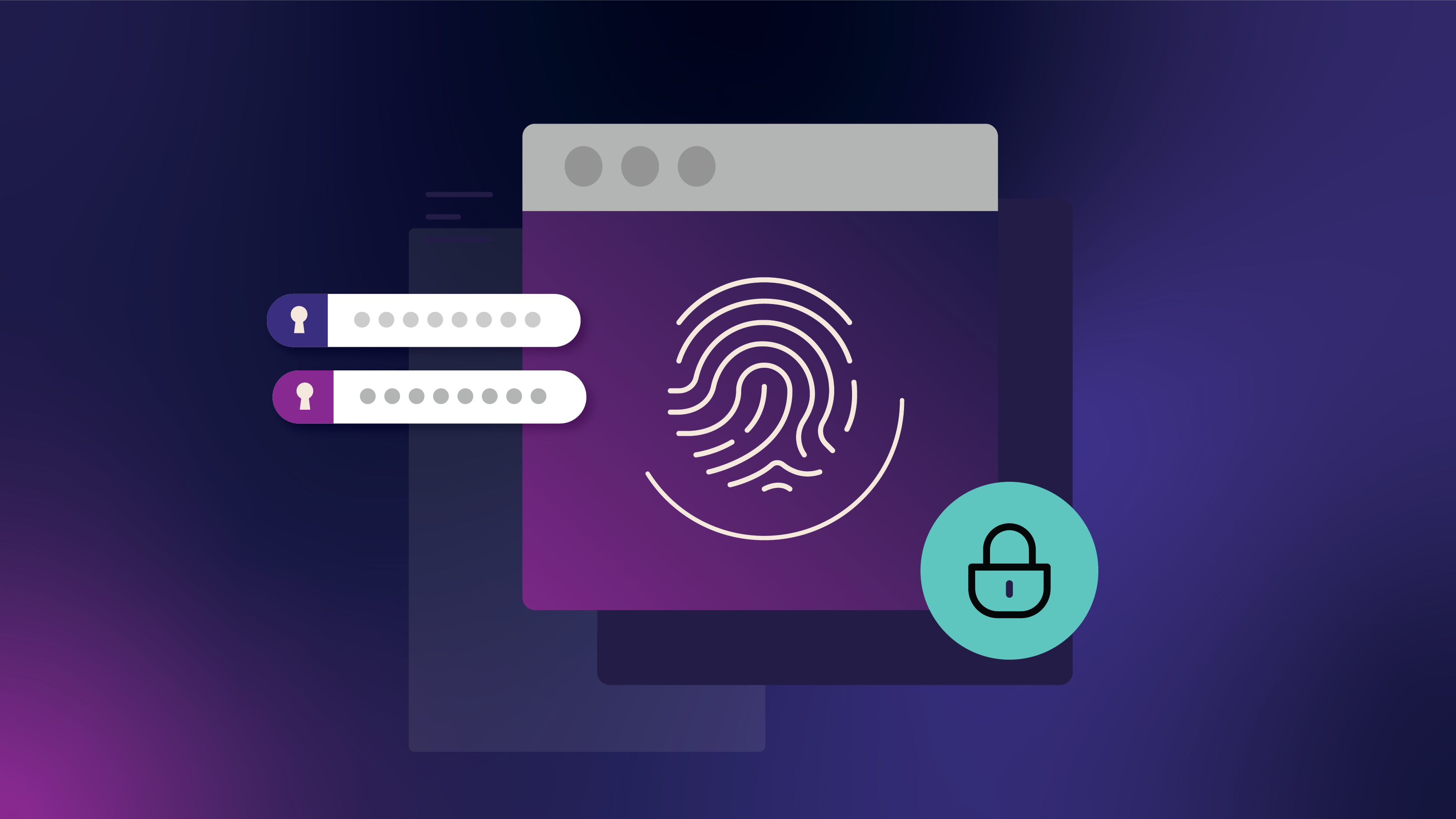
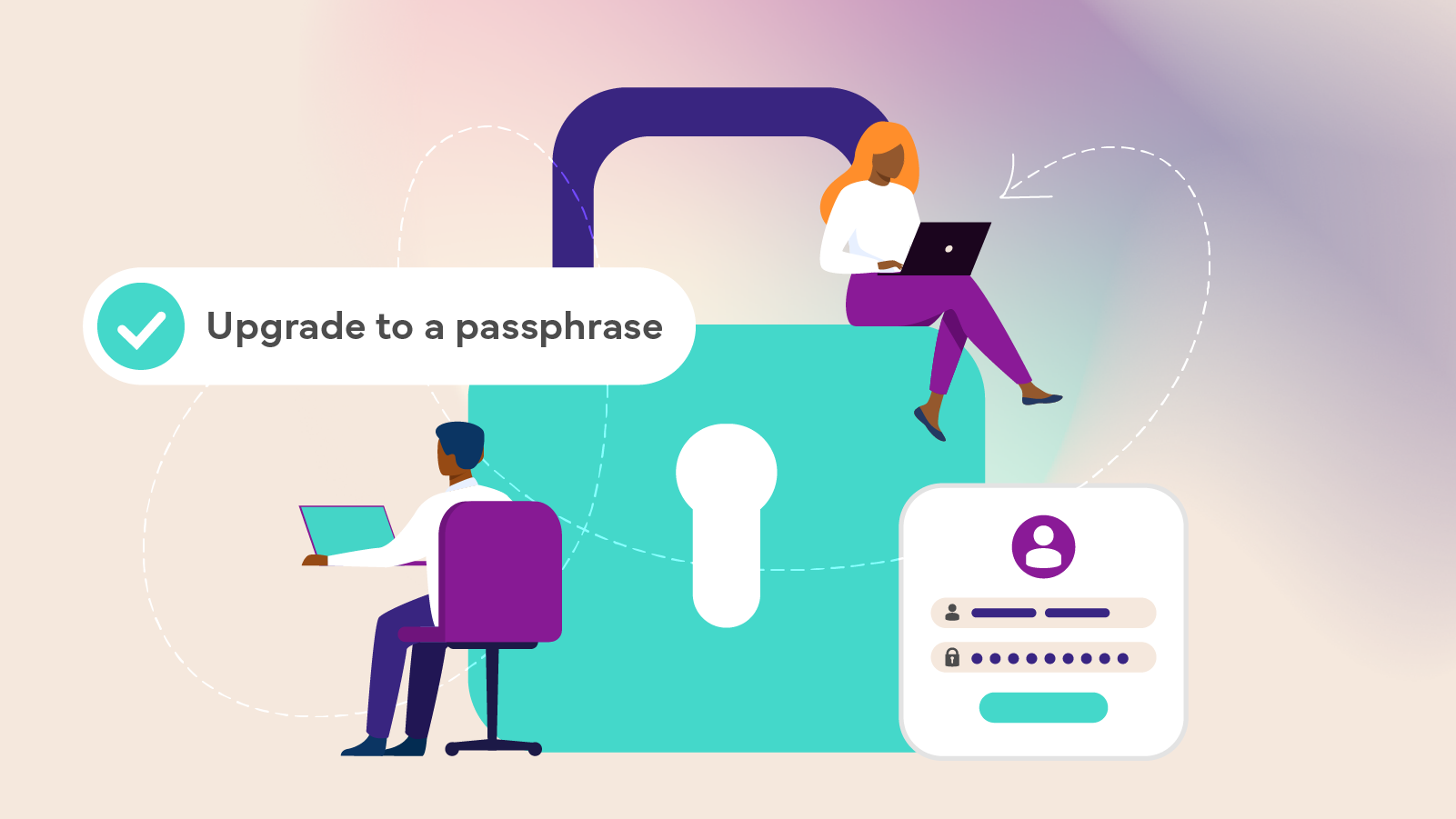
- Use strong passwords and multi-factor authentication where available
- Be cautious with emails, links and requests for information
- Ask how your data is stored and protected
- Report anything unusual as soon as possible
Using AI safely in healthcare
AI has the potential to improve health outcomes, reduce workloads and support better decision-making. But trust is essential and depends on security, transparency and accountability.
By combining technology with strong governance and informed people, healthcare can harness AI’s benefits while keeping patient data safe.
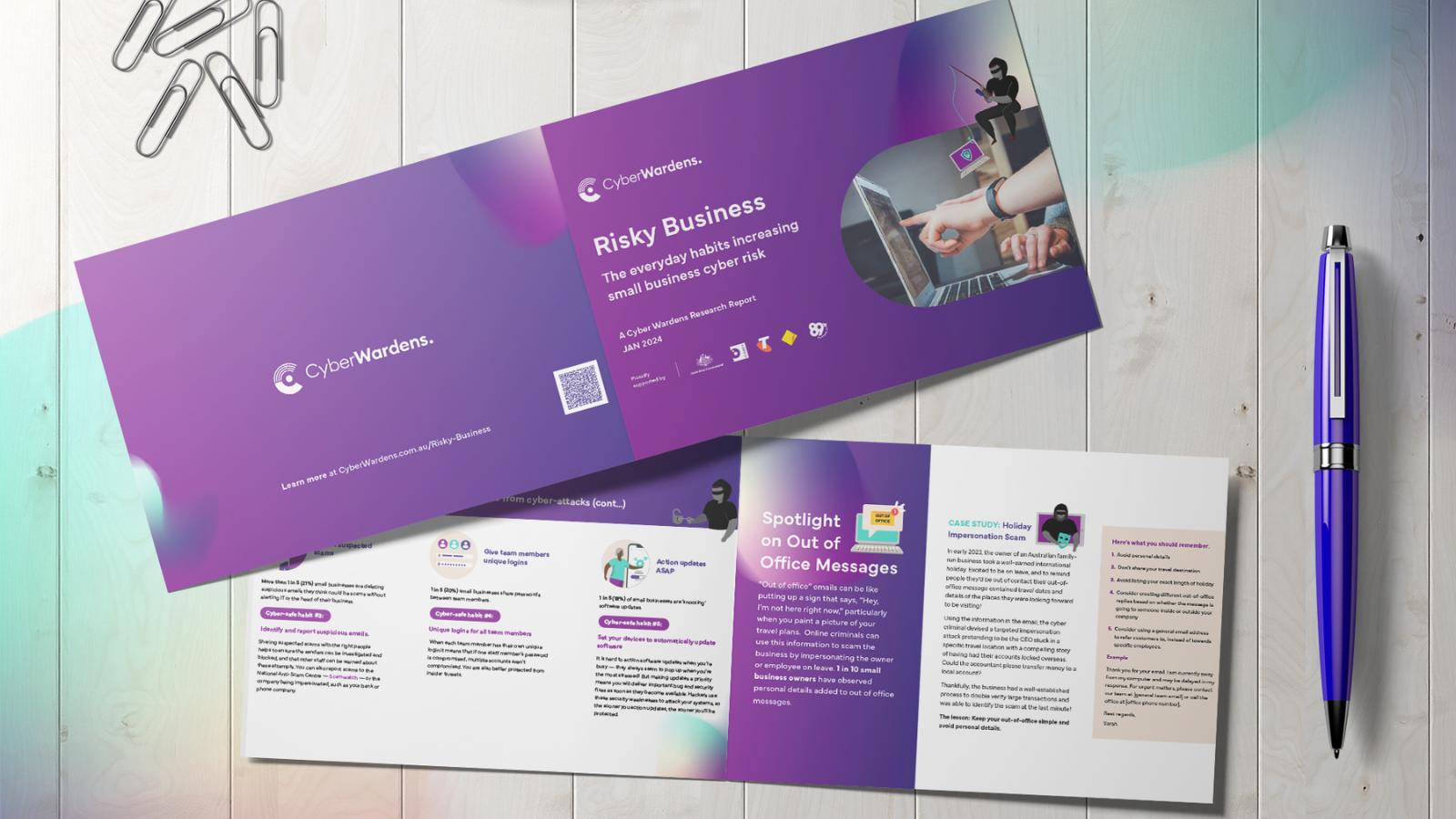
To learn more about cyber safety and protecting sensitive information, explore our course catalogue and enrol in the free Cyber Wardens training program.