
From writing emails and marketing copy to summarising documents and answering customer enquiries, AI can save time and reduce costs for small businesses. But like any powerful tool, AI needs to be used carefully. Without the right safeguards in place, it can introduce new cyber, privacy and compliance risks.
Key Takeaways:
- AI can boost productivity, but it needs guardrails: Using AI without clear rules can expose your business to data leaks and cyber risks.
- What you share with AI tools matters: Sensitive business or customer information shouldn’t be entered into public AI platforms.
- Safe use starts with people and processes: Clear policies, staff training and regular reviews help keep AI use secure.
Understand what AI tools do with your data
Many popular AI tools process information in the cloud. That means anything you enter, such as prompts, documents or customer details, may be stored or used to improve the system.
Before using an AI tool, it’s important to read its privacy policy and terms of use. This will help you understand whether your data is stored, shared or used for training. Also, avoid entering confidential business information or personal customer data
If you wouldn’t email it to a stranger, don’t put it into an AI prompt.
Set clear rules for AI use
AI works best when everyone understands how, and when, it should be used.
Consider creating simple guidelines that explain:
- Which AI tools staff are allowed to use
- What types of tasks are appropriate for AI
- What information must never be shared with AI systems
Clear rules reduce the risk of accidental data exposure and misuse.

Keep humans in the loop
AI can draft content, suggest ideas and analyse information, but it shouldn’t replace human judgement.
Always review AI-generated content before sharing it publicly and double-check facts, figures and recommendations. It’s also critical to be cautious about using AI for decisions involving money, customers or contracts
AI can make mistakes, and those mistakes can be costly if they go unchecked.
Watch for AI-powered scams
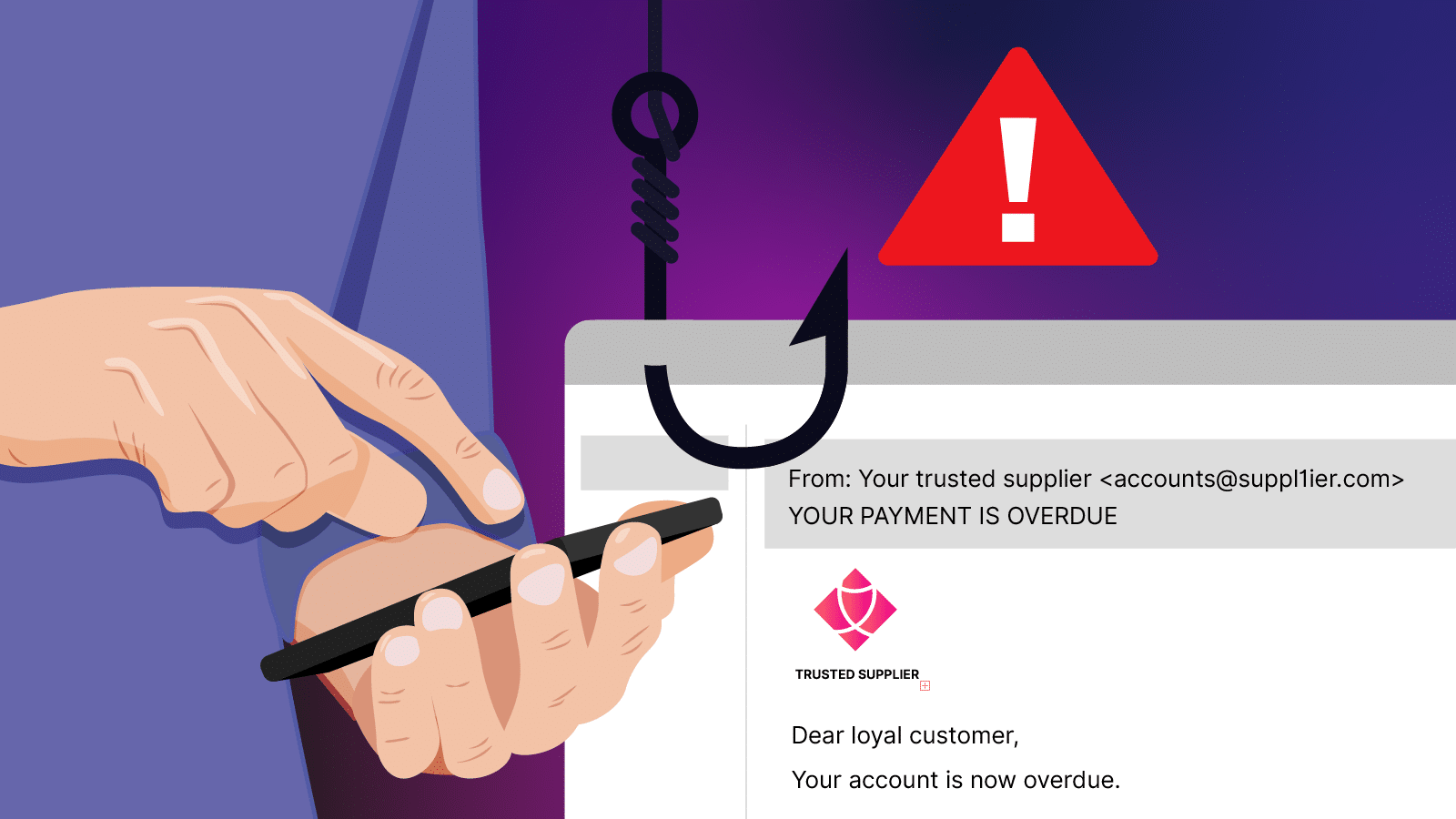
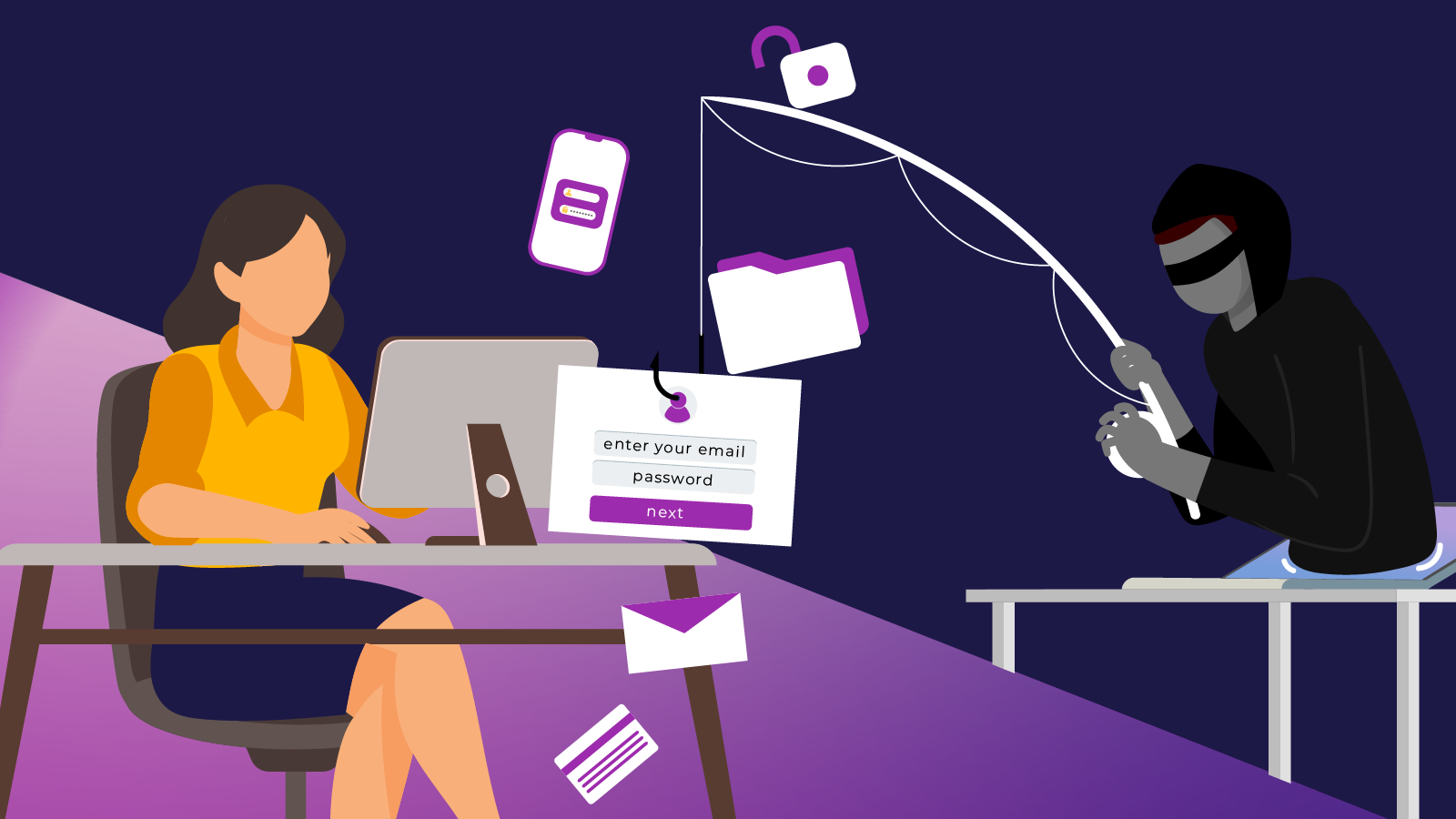
Cyber criminals are also using AI to scale their attacks. AI-generated phishing emails, fake invoices and impersonation scams are becoming more convincing and harder to spot.
Be alert to:
- Messages that sound polished but create urgency or pressure
- Unexpected requests for payments or sensitive information
- Unusual changes in tone or writing style from known contacts
Verification is more important than ever.
Protect accounts and access
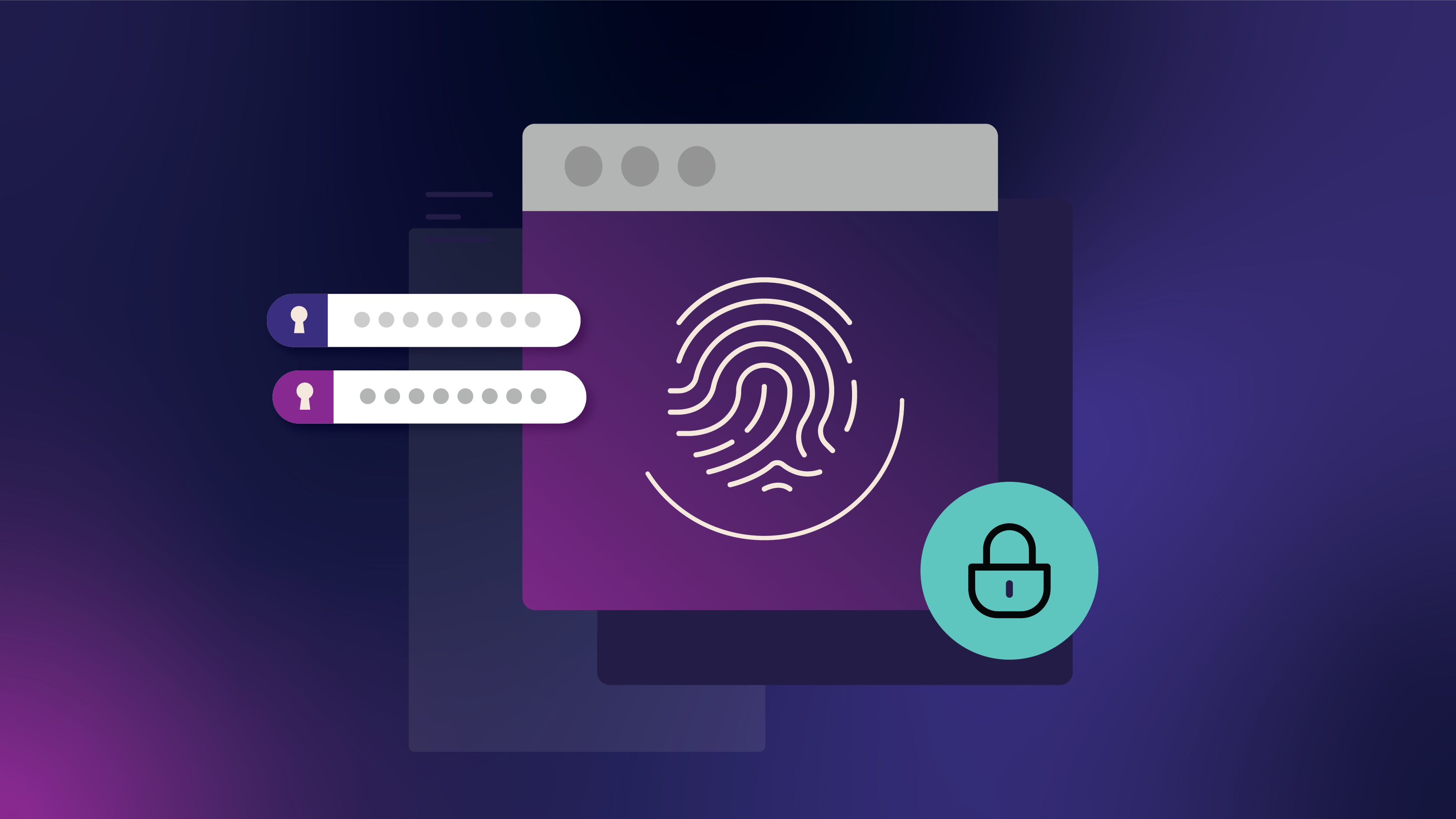
If AI tools are connected to your business systems, secure them properly by using strong, unique passwords and enabling multi-factor authentication (MFA).
You should also ensure to limit access to staff who genuinely need it and remove access promptly when roles change or a staff member leaves. These basics still matter, even with advanced technology. In fact, especially with advanced technology.
Review and adapt regularly
AI tools evolve quickly, and so do the risks.
- Regularly review how AI is being used in your business
- Revisit policies as tools and features change
- Stay informed about new threats and best practices
Using AI with confidence
AI can be a valuable asset for small businesses when used responsibly. By setting boundaries, protecting data and keeping people involved, you can take advantage of AI’s benefits without putting your business at risk.
To build your cyber safety knowledge and learn how to use new technologies securely, complete the Cyber Wardens Safe AI for Small Business course, or explore our course catalogue and complete any of the other free Cyber Wardens courses.